 Save
Save My neighbor knocked on my door one November evening with a ham bone wrapped in butcher paper, saying she'd overdone the holiday shopping and couldn't bear to waste it. That simple gesture sparked something—I found myself pulling together whatever vegetables were lurking in my crisper drawer, tossing in some beans, and letting the whole thing simmer until my kitchen smelled like comfort itself. The result was this soup, which has since become my go-to remedy for gray afternoons and the kind of hunger that only something truly warming can fix.
I made this for my sister when she was going through a rough patch, and watching her face soften as she took that first spoonful reminded me why I cook—it's not really about the food at all. She came back the next evening asking if I had leftovers, and we ended up sitting at my kitchen table for three hours, bowl after bowl, talking about everything and nothing. That's when I knew this soup had become something special in our family.
Ingredients
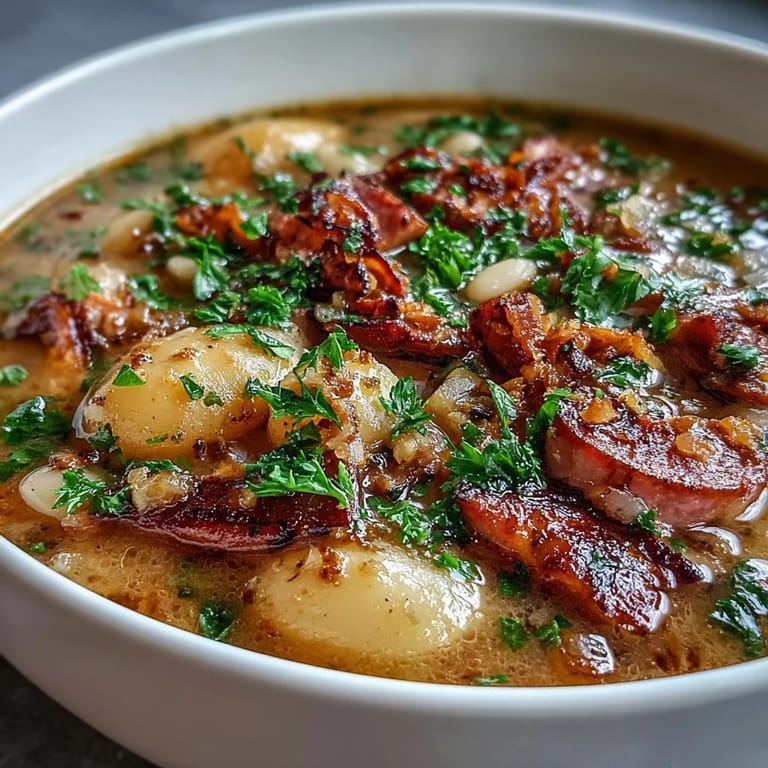
- Smoked ham, diced (250 g): The soul of this soup—choose a good quality piece because those smoky notes are what make everything else shine, and don't feel obligated to trim away every bit of fat since it adds incredible depth.
- Cooked white beans, drained and rinsed (400 g): Cannellini or navy beans work equally well; I prefer to use canned for convenience, but cook your own if you have the time since the broth picks up those subtle flavors.
- Potatoes, peeled and diced (3 medium): Russet or Yukon gold both work beautifully—the starch from them naturally thickens the broth as they break down slightly, creating a lush texture without any cream.
- Carrots, diced (2 medium): These add natural sweetness and color; cutting them into uniform pieces helps them cook at the same rate as the potatoes.
- Celery stalks, diced (2): Often overlooked but essential for building that classic soup foundation, adding an earthy backbone that ties everything together.
- Onion, finely chopped (1 large): This is your aromatic base, and chopping it fine helps it break down and integrate into the broth rather than remain as distinct pieces.
- Garlic, minced (2 cloves): Just enough to add a whisper of pungency without overwhelming; the heat will soften it considerably during the long simmer.
- Chicken or vegetable broth, low-sodium (1.5 liters): Low-sodium is key here so you maintain control over the final salt level, especially since the ham brings its own saltiness.
- Bay leaves (2): These steep in the broth and add an herbal note that's almost impossible to replicate—remove them before serving or they'll surprise someone with their texture.
- Dried thyme (1 tsp): A measured hand with dried herbs prevents them from becoming bitter; if you have fresh thyme, use three times the amount and add it in the last ten minutes.
- Freshly ground black pepper (½ tsp): Fresh ground makes all the difference in brightness, and you'll likely add more at the end anyway.
- Salt, to taste: Hold back initially since the ham and broth contribute their own saltiness, tasting as you go near the end.
- Olive oil (2 tbsp): A good quality oil isn't necessary here since it cooks off, but use something you like the flavor of since it matters in those first few minutes.
- Fresh parsley, chopped (2 tbsp, optional): A small handful scattered on top brings brightness and makes the soup feel intentional and finished, even if it's technically optional.
Tired of Takeout? 🥡
Get 10 meals you can make faster than delivery arrives. Seriously.
One email. No spam. Unsubscribe anytime.
Instructions
- Build your flavor foundation:
- Heat the olive oil in a large pot over medium heat and add the onion, carrots, and celery—this is the moment when your kitchen starts smelling like cooking is happening. Stir them occasionally and watch for the edges to turn golden and the onion to become translucent, which takes about five minutes and signals they're ready for the next step.
- Wake up the garlic:
- Add the minced garlic and let it cook for just one minute, stirring constantly so it doesn't stick or brown. You'll smell it immediately, and that's your cue that it's done.
- Introduce the ham:
- Stir in the diced smoked ham and let it cook for three to four minutes, giving it a chance to release its smoky oils into the pot. The broth will start to take on a deeper color and richer smell as the ham's flavor begins its work.
- Bring everything together:
- Add the potatoes, beans, bay leaves, thyme, black pepper, and broth, stirring well to distribute everything evenly. This is the moment where separate ingredients transform into a unified soup.
- Let time do the work:
- Bring the pot to a boil, then reduce the heat to low and cover it—the whole thing needs to simmer for about an hour, or until the potatoes are tender enough to break with a spoon. Resist the urge to rush this; the long, gentle cook is where flavors meld and the soup develops its full character.
- Finish and taste:
- Remove the bay leaves and taste the soup, adjusting salt as needed—remember that you can always add more but you can't take it out. A final grind of fresh pepper often feels right here.
- Serve with warmth:
- Ladle the soup into bowls and top with fresh parsley if you have it, then serve immediately while it's at its most comforting. The simplicity of this moment is part of what makes the soup special.
 Save
Save My father has never been one for sentimentality, but he ate three bowls of this soup at my kitchen counter without saying much of anything, which in his language meant everything. When he finally spoke, it was only to ask if I could make it again next week, and somehow that quiet request felt like the highest compliment I've ever received.
The Magic of Smoked Ham
Smoked ham is one of those ingredients that does more work than you'd expect—it doesn't just add protein, it adds an entire flavor story to the pot. One evening I tried making this soup with regular ham and it felt flat, missing that subtle woodsmoke note that makes people pause mid-spoonful and ask what you did differently. The smoke is a flavor bridge that connects all the other elements and makes the whole thing sing.
Stretching and Storing
This soup is a study in generosity—one pot feeds six people comfortably, and it tastes even better on day two when everything has had time to truly get to know each other. I've kept it refrigerated for up to four days and honestly preferred it on day three, though I wouldn't push it past that point. If you want to freeze it, leave out the potatoes and add fresh ones when you reheat, since frozen potatoes can turn mushy and the texture won't be as satisfying.
Variations Worth Trying
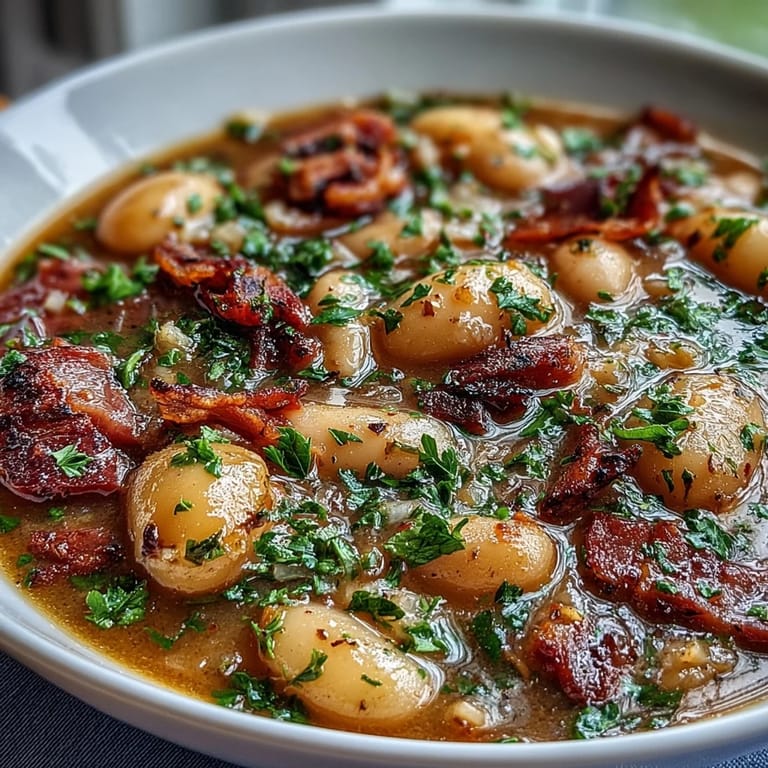
The beauty of this recipe is how forgiving it is—I've made it with smoked turkey when ham wasn't available, and with spicy sausage when I wanted something with more bite. Sometimes I add a ham bone instead of diced ham and let it simmer the whole hour, removing it before serving, and the result is even more deeply flavored. The vegetable ratio is also flexible, so if you're short on carrots or have extra celery, adjust as you see fit.
- Try adding a splash of apple cider vinegar at the end for unexpected brightness that cuts through the richness.
- A pinch of red pepper flakes scattered on top adds heat without dominating the flavor profile.
- Serve alongside crusty bread slathered with good butter and you've got a complete meal that feels both humble and intentional.
 Save
Save This soup has taught me that the most memorable meals aren't about complexity or exotic ingredients—they're about showing up in the kitchen with good intentions and letting time and heat do their work. Make this for someone you care about, and you'll understand why I keep coming back to it.
Recipe FAQs
- → What beans work best in this soup?
White beans such as cannellini or navy beans are ideal for their creamy texture and ability to absorb flavors well.
- → Can I use a different meat instead of smoked ham?
Yes, smoked turkey or sausage are excellent alternatives that maintain a smoky, savory character.
- → How can I make the soup richer?
Adding a ham bone to the broth during cooking intensifies the smoky flavor and adds depth.
- → What herbs complement this soup best?
Bay leaves and dried thyme provide warm, earthy notes that enhance the overall profile.
- → How should leftovers be stored?
Keep leftovers refrigerated in an airtight container for up to three days to preserve flavors and freshness.