 Save
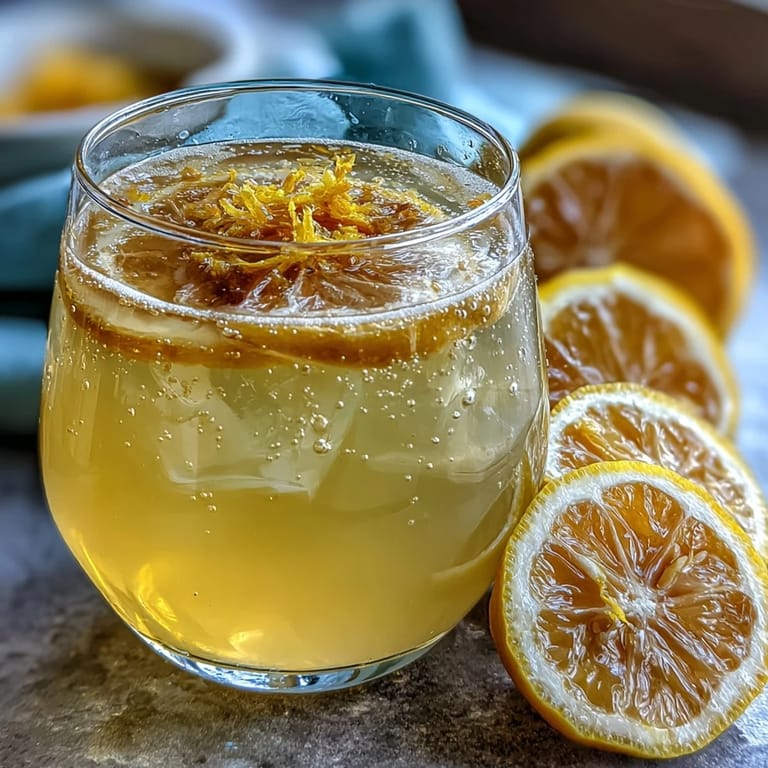
Save My neighbor Marco showed up one August evening with a mason jar filled with golden liquid, explaining that his nonna had taught him to make limoncello the way his family had for generations in Amalfi. He poured a tiny glass, ice-cold from his freezer, and that first sip—bright, clean, almost electric with lemon—changed how I thought about homemade spirits. Now every summer when the good lemons arrive at the market, I find myself reaching for a jar and grain alcohol, ready to wait those patient weeks for something that tastes like bottled sunshine.
I made my first batch as a Christmas present for my sister, bottling it in vintage glass containers from a thrift shop and tying them with twine. She served it at a dinner party, and watching everyone's faces light up when they tasted it—that quiet moment of recognition that something this good came from patience and fresh lemons—felt like the whole 30 days of waiting had been worth it.
Ingredients
- 8 large unwaxed organic lemons: The foundation of everything; unwaxed matters because you're using the skin, so seek out organic varieties at farmers markets or specialty grocers where you can actually ask questions about treatment.
- 750 ml 95% pure grain alcohol (or 100-proof vodka): This high proof is essential for extraction and preservation; don't reach for regular vodka unless absolutely necessary, as it won't pull the oils from the zest quite as effectively.
- 600 ml water: Filtered water makes a subtle difference in the final clarity and taste, though tap water works if that's what you have.
- 400 g granulated sugar: Standard sugar dissolves cleanly without the mineral undertones that some specialty sugars can introduce; you can adjust this by 50 grams either direction depending on your preference for dryness or sweetness.
Tired of Takeout? 🥡
Get 10 meals you can make faster than delivery arrives. Seriously.
One email. No spam. Unsubscribe anytime.
Instructions
- Prepare Your Lemons with Care:
- Scrub each lemon under hot running water as if you're actually going to eat the skin—because essentially, you are. Pat them completely dry with a clean kitchen towel; any moisture clinging to the surface will dilute your alcohol and weaken the infusion.
- Strip the Zest with Intention:
- Use a vegetable peeler to remove the bright yellow skin, holding the lemon steady and working in even strips downward. The moment you catch a hint of white underneath, stop and rotate; that pith is the enemy of delicate flavor, turning bitter and harsh.
- Begin the Infusion:
- Drop all your zest strips into a large, impeccably clean glass jar, then pour the grain alcohol over until every shred is submerged. Seal it tight and place it somewhere cool and dark—a pantry, cupboard, or basement where the temperature stays steady.
- Wait and Shake with Patience:
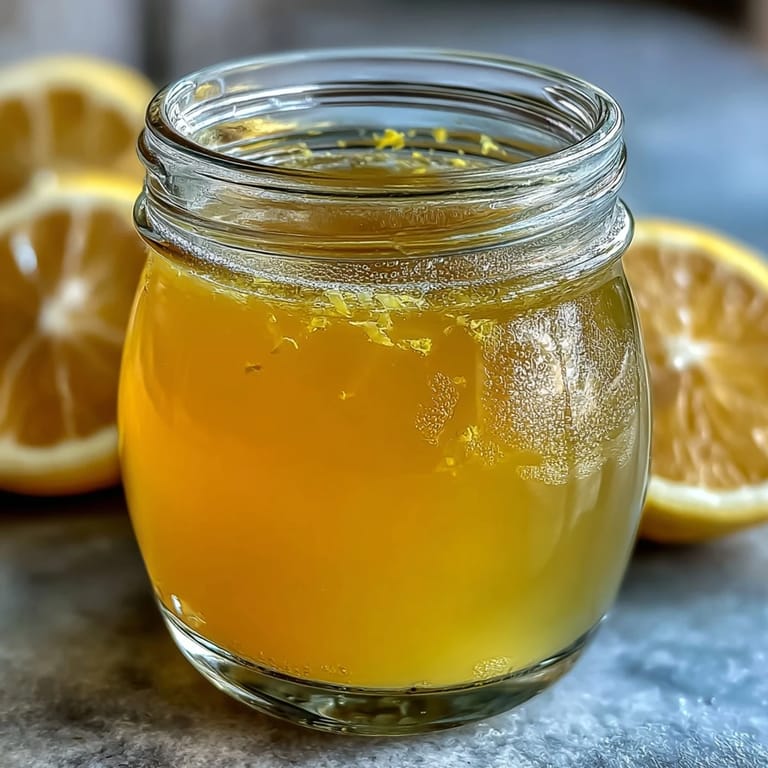
- Every other day, give the jar a gentle shake to redistribute the zest and keep the infusion moving. The liquid will gradually shift from clear to pale gold, then deepen to a richer amber as the days pass; anywhere from 10 to 30 days is the range, with 21 days being the sweet spot for most people.
- Make Your Syrup:
- In a saucepan, combine water and sugar over gentle heat, stirring occasionally until you can't see a single grain of sugar remaining. The moment it clears, take it off the heat and let it cool completely—hot syrup mixed with alcohol will taste harsh and unbalanced.
- Separate and Combine:
- Pour your infused alcohol through a fine mesh strainer lined with cheesecloth, letting it drip naturally without pressing on the zest. Once strained, mix the golden liquid with your cooled syrup, stirring until completely blended.
- Bottle and Rest:
- Transfer into sterilized bottles (run them through the dishwasher or boil them if you're being precise), seal tightly, and let them rest for at least a week. This final rest allows flavors to marry and mellow; a month of resting is even better.
- Serve at the Moment It Matters Most:
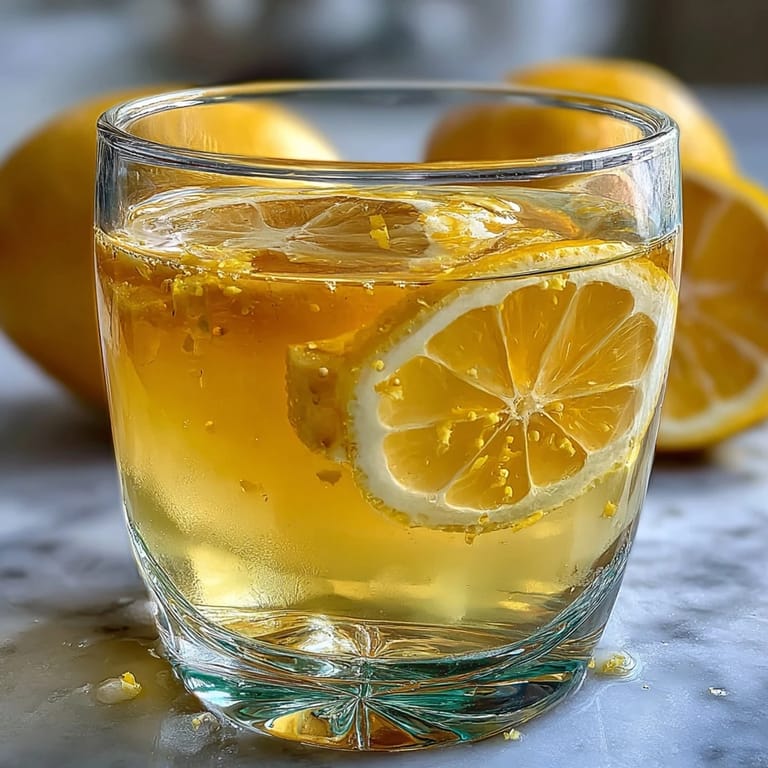
- Pull the bottle from the freezer just before serving and pour small amounts into chilled glasses. The cold brings out the brightness and makes each sip feel like a small celebration.
 Save
Save I once brought a bottle to a dinner at a friend's apartment, and her elderly mother—who grew up in Sicily—took one sip and actually teared up, saying it reminded her of something from childhood. That's when I realized this wasn't just a recipe; it was a tiny bridge between places and memories, something you made with your hands that could reach people in unexpected ways.
Choosing Your Lemons Wisely
The quality of your lemons determines everything, so take time at the market. Look for bright yellow skin with a slight waxy sheen that comes from the plant itself, not a coating—if you can scratch the skin with your fingernail and see green underneath, it's too young. Smell them; good lemons should smell intensely lemony even through the skin, not musty or faded.
Understanding the Infusion Timeline
Ten days is the bare minimum; the liquid will taste like lemon, but thin and sharp. By day 21, you've hit the golden zone where the flavor is rich but not overwhelming. Beyond 30 days, the taste doesn't improve much, and the zest starts to break down and cloud the spirit, so there's a natural endpoint to the waiting.
Variations and Personal Touches
Meyer lemons, if you can find them, bring a subtle floral sweetness that regular lemons don't have—they're worth seeking out if you want to experiment. Some people infuse with fresh herbs like basil or mint during the final resting period, or adjust the sugar ratio based on whether they prefer something closer to a digestif or a dessert spirit. The base recipe is so forgiving that once you understand the method, you can make it your own without fear of ruining it.
- If your batch tastes too sharp after bottling, you can always add a touch more syrup to soften it.
- Save any leftover zest strips in the freezer to add to baked goods or sparkling water for a flavor boost.
- Small glass bottles with cork tops make the prettiest presentation if you're thinking about giving these as gifts.
 Save
Save Homemade limoncello is proof that some of the best things come from waiting, from trusting a simple process, and from lemons at their peak. Once you taste what you can make with your own hands, the store-bought bottles never quite measure up again.
Recipe FAQs
- → What type of lemons are best for this infusion?
Use large, unwaxed organic lemons to ensure the zest is clean and free from harmful residues, which enhances the final flavor.
- → How long should the lemon zest infuse in the alcohol?
Infuse the lemon zest in alcohol for 10 to 30 days in a cool, dark place, shaking gently every couple of days to extract maximum flavor.
- → Can I substitute the grain alcohol with another spirit?
Yes, 100-proof vodka can be used if pure grain alcohol is unavailable, though the flavor profile may slightly differ.
- → How is the syrup prepared for mixing?
Simmer water and granulated sugar until fully dissolved, then cool the syrup to room temperature before combining it with the infused alcohol.
- → What is the best way to serve this lemon infusion?
Chill the liqueur thoroughly, preferably from the freezer, and serve in small glasses to enjoy its refreshing and vibrant profile.
- → Can the sweetness be adjusted?
Absolutely, the amount of sugar in the syrup can be varied to create a sweeter or drier final product based on preference.