 Save
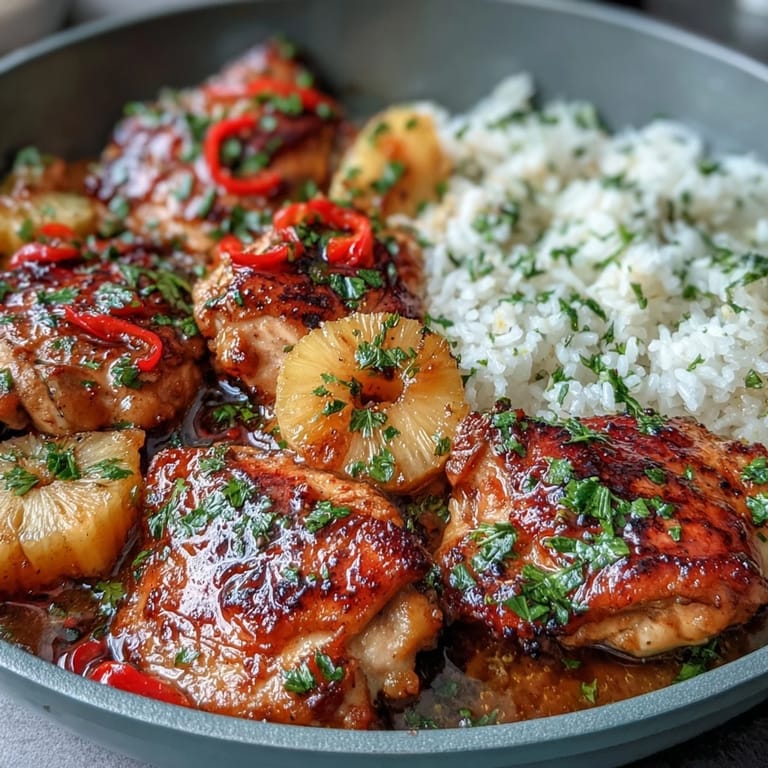
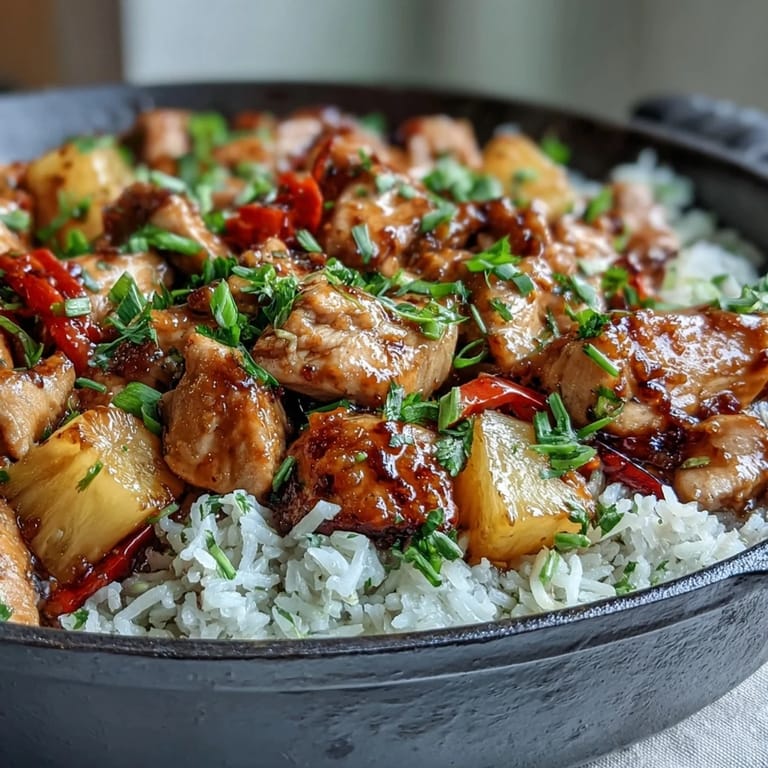
Save One Tuesday evening, my neighbor dropped off a bag of fresh pineapple chunks from her farmer's market haul, and I stood there holding them like a puzzle waiting to be solved. That night, I decided to throw together whatever was in my pantry—chicken, rice, those bell peppers that needed using—and the result was so unexpectedly bright and balanced that I've made it at least once a month ever since. There's something about the way sweet pineapple plays against savory soy sauce that just feels like comfort food got a tropical upgrade.
I made this for my sister when she was going through a phase of "I don't know what to cook anymore," and watching her face light up when she tasted that first forkful of tender chicken and caramelized pineapple reminded me why I love feeding people. She's now made it three times, and each time she texts me photos, which has become our little tradition.
Ingredients
- Boneless, skinless chicken breast or thighs (1 lb): Thighs stay juicier if you're not watching the heat carefully, but breasts work fine if you cut them into even pieces so they cook at the same speed.
- Long-grain white rice (1 cup): Rinsing removes excess starch and keeps the grains separated and fluffy by the end.
- Red and yellow bell peppers: The colors aren't just pretty—they each bring a slightly different sweetness that layers beautifully with the pineapple.
- Fresh pineapple chunks (1 cup): Fresh is ideal because the juice concentrates during cooking, but canned drained pineapple works in a pinch and honestly tastes almost as good.
- Yellow onion and garlic: These are your flavor foundation, and mincing the garlic fine ensures it doesn't overpower anything.
- Low-sodium soy sauce (1/4 cup): Low-sodium gives you control over the saltiness without the dish tasting flat.
- Pineapple juice (1/4 cup): Save the juice from fresh pineapple or use canned—it's the secret to deepening the tropical flavor without added sweetness.
- Honey or brown sugar (2 tbsp): This balances the umami from the soy sauce and adds a subtle gloss to the finished dish.
- Rice vinegar (1 tbsp): Just enough acid to brighten everything and keep the sauce from feeling heavy.
- Sesame oil (1 tsp): A small amount goes a long way; it adds nuttiness that makes people wonder what your secret ingredient is.
- Vegetable oil (2 tbsp total): Use this for sautéing rather than olive oil, which can taste bitter at high heat.
- Chicken broth (2 cups): Low-sodium is always safer because you can taste as you go, but regular works too.
Tired of Takeout? 🥡
Get 10 meals you can make faster than delivery arrives. Seriously.
One email. No spam. Unsubscribe anytime.
Instructions
- Brown the chicken first:
- Heat 1 tablespoon of oil in your skillet over medium-high heat and don't move the chicken around too much—let it sit and develop those golden edges. This takes about 5 minutes and creates real flavor, not just cooked chicken.
- Build your base:
- Add the remaining oil, then sauté your onion and garlic for a couple of minutes until the whole kitchen smells incredible. Throw in your bell peppers and let them soften slightly, which mellows their raw bite.
- Toast the rice:
- This one-minute step sounds small but it matters—you're waking up the rice grains and adding a subtle toasted flavor underneath everything else. It's the move that separates this from just boiling rice.
- Mix your sauce:
- Whisk soy sauce, pineapple juice, honey, rice vinegar, and sesame oil together in a bowl before adding it to the pan so the flavors blend smoothly. Return the chicken to the skillet and pour the sauce over everything.
- Simmer until tender:
- Add your broth and pineapple chunks, bring it to a boil, then drop the heat low and cover tightly. Let it bubble gently for 18-20 minutes until the rice is tender and has absorbed the liquid—peek under the lid around the 15-minute mark just to check progress.
- Thicken if you like:
- This step is optional, but if your sauce seems thin, stir in the cornstarch slurry and cook for another minute or two until it coats the back of a spoon. Some nights I skip it; some nights I don't.
- Finish with greenery:
- Fluff the rice gently with a fork, scatter fresh green onions over the top, and let it sit for a minute before serving.
 Save
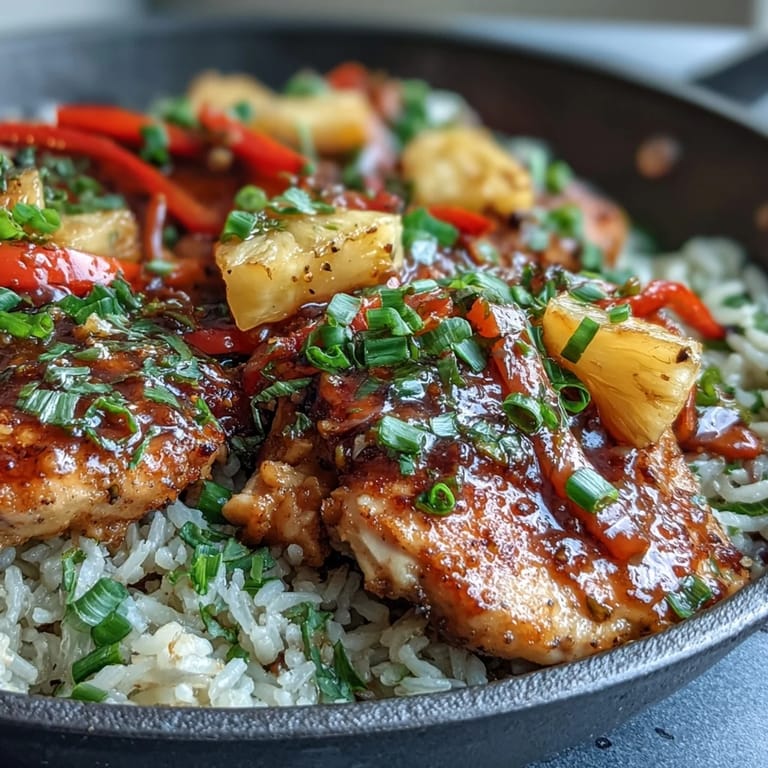
Save My partner came home from a long day and the smell of caramelized pineapple and garlic hit him as soon as he opened the door, and he literally said "whatever that is, I'm so ready." That's when I knew this wasn't just a recipe I'd stumbled onto—it was something I wanted to make again and again, especially on days when we both needed something that felt both comforting and a little bit exciting.
The Sweet and Savory Balance
What makes this dish work is the conversation between sweetness and salt happening on your palate at every bite. The pineapple brings natural sweetness, the soy sauce brings umami depth, and the rice vinegar acts like a referee, making sure neither side wins too loudly. Once you understand this balance, you can adjust it to your taste—more honey if you like things sweeter, more vinegar if you want brightness.
Customizing Your Skillet
This recipe is more forgiving than it looks, and I've learned to see it as a canvas rather than a strict instruction manual. I've added snap peas for crunch, swapped in brown rice when I wanted extra fiber, and even threw in some carrots when my vegetable drawer was getting desperate. The sauce stays consistent no matter what you add, so you can honestly make this your own.
Cooking This for a Crowd
The real magic of this dish shows up when you're cooking for people because the one-pan nature means you're present and not stressed, and somehow that ease translates into how people experience the food. I've made double batches for small dinner parties, and everyone always seems surprised that something this impressive came from one skillet. The beauty is that you can scale this up easily—just double or triple everything and use a larger pan or even work in batches.
- Make the sauce ahead of time in a jar and keep it in the fridge; just shake it before pouring into the pan.
- Prep all your vegetables the morning of, and cooking becomes a 30-minute breeze.
- Serve it alongside cucumber slices or a simple green salad to balance the richness of the sauce.
 Save
Save This skillet has become my answer to "what should we make?" on nights when I want something that feels both restaurant-quality and completely doable. It reminds me that good cooking doesn't require complicated techniques or rare ingredients—just thoughtfulness and a little bit of willingness to let flavors surprise you.
Recipe FAQs
- → Can I use brown rice instead of white rice?
Yes, brown rice can be used; just increase the broth amount and simmering time to ensure it cooks fully and becomes tender.
- → How can I make the sauce thicker?
Mix cornstarch with water to create a slurry and stir it into the skillet during the last couple of minutes of cooking until the sauce thickens to your liking.
- → What can I add for extra vegetables?
Snap peas, carrots, or broccoli work well and can be added during the vegetable sauté step for added nutrition and crunch.
- → Is there a way to add some heat to the dish?
Include crushed red pepper flakes or a sliced chili along with the garlic during sautéing for a spicy kick.
- → Can I prepare this dish ahead of time?
This skillet tastes best fresh but can be refrigerated and gently reheated. If needed, add a splash of broth or water to loosen the sauce during reheating.