 Save
Save There's a specific Tuesday evening when my kitchen filled with the most intoxicating blend of ginger steam and toasted spices, and I realized that baked chicken curry didn't need to be complicated to taste like a restaurant triumph. My neighbor had dropped off fresh ginger from her garden, still dusted with soil, and I couldn't resist turning it into something warm and spiced. That night, the yogurt marinade worked its quiet magic in the fridge while I prepped everything else, and by the time the curry hit the oven, I was already planning to make it again.
I made this for my sister on a rainy Sunday, and she sat at the kitchen counter watching the sauce bubble in the oven, asking if I'd finally figured out how to make curry at home. When we pulled it out, the aroma was so thick you could almost chew it, and the chicken fell apart the moment we touched it with a spoon. She had thirds, and I've never heard the end of it since.
Ingredients
- Bone-in, skinless chicken thighs (8 pieces): They stay juicy through the whole process because the bone conducts heat gently; if you use breasts instead, shave 10 minutes off the baking time and watch them like a hawk.
- Greek yogurt (1 cup): The tanginess works as a tenderizer, breaking down the proteins while adding a subtle brightness that coconut milk alone won't give you.
- Fresh ginger and garlic (grated, not minced): Grating releases more oils and flavor than chopping, and it distributes more evenly through the marinade and sauce.
- Ground turmeric (1 tsp in marinade, part of the spice blend in sauce): Buy it fresh if your jar has been sitting for a year; it loses its earthiness fast and stale turmeric tastes dusty.
- Kosher salt and ground black pepper (to taste): Don't skip the salt in the marinade itself; it seasons the chicken from the inside out.
- Chili powder (1½ tsp, adjust to preference): This is your heat control, so taste a pinch on your tongue first if you're sensitive to spice.
- Vegetable oil (2 tbsp for the sauce): Use something neutral like canola or vegetable so the spices are the star, not the oil.
- Onion (1 large, finely chopped): The finer you chop, the faster it softens and the better it melts into the sauce.
- Ground cumin, coriander, and garam masala: These are what give the sauce its Indian-inspired soul; buy them from a store with good turnover where the containers don't sit gathering dust.
- Cayenne pepper (½ tsp, optional): This is pure heat with no flavor, so add it only if you want to push the spice level higher.
- Coconut milk (one 14 oz can, full-fat): The full-fat version creates a silkier sauce; lite coconut milk will thin it out and flatten the flavor.
- Diced tomatoes (one 14 oz can): Canned works beautifully here; the acidity balances the richness and adds body to the sauce.
- Honey or sugar (1 tbsp): A tiny pinch of sweetness rounds out the spices and mellows the tomato bite without making it taste like dessert.
- Fresh lime juice (2 tbsp, added at the end): Always use fresh lime, never the bottled stuff; it transforms the sauce from good to addictive in seconds.
- Fresh cilantro (¼ cup, chopped for garnish): Scatter it on just before serving so it stays bright and doesn't cook into invisibility.
Tired of Takeout? 🥡
Get 10 meals you can make faster than delivery arrives. Seriously.
One email. No spam. Unsubscribe anytime.
Instructions
- Build your marinade and coat the chicken:
- In a bowl, whisk together yogurt, lemon juice, grated ginger, garlic, turmeric, salt, pepper, and chili powder until it looks like creamy golden paste. Add the chicken thighs, turning each one to coat fully in that tangy mixture. Cover and refrigerate for at least an hour, though overnight is where the magic really deepens.
- Preheat and get your skillet ready:
- Heat your oven to 400°F (200°C). While it warms, set a large oven-safe skillet over medium heat and pour in the vegetable oil until it shimmers.
- Caramelize your aromatics:
- Add the chopped onion and let it soften and turn golden, stirring occasionally, for about 5 to 7 minutes. The onion becomes almost translucent and begins to smell sweet rather than sharp. Stir in your grated ginger and garlic, cooking for just one more minute until the raw edge mellows.
- Toast your spices until fragrant:
- Add cumin, coriander, garam masala, and cayenne if you're using it, stirring constantly for about 30 seconds. You'll smell the difference immediately; the spices go from dusty to alive and aromatic.
- Build the sauce with coconut and tomato:
- Pour in the full-fat coconut milk, the canned tomatoes with their juice, honey, and salt. Stir everything together and let it come to a gentle simmer, where small bubbles break the surface slowly. Taste and adjust seasoning now, before the chicken goes in.
- Nestle in the marinated chicken:
- Carefully place each yogurt-coated chicken thigh into the simmering sauce, skin side up if there's any skin, and spoon some of that golden sauce over each piece so they're cradled in it. The chicken should be mostly submerged but not completely drowning.
- Transfer to the oven and bake until cooked through:
- Move the whole skillet to the preheated oven and bake uncovered for 35 to 40 minutes. The sauce will bubble around the edges, the chicken will turn opaque and tender, and when you poke the thickest part with a knife, no pink should appear. A meat thermometer should read 165°F (74°C) at the thickest point.
- Finish with lime and rest:
- Remove from the oven, carefully stir in the fresh lime juice, and let everything sit for 5 minutes before serving. This resting time lets the flavors settle and the sauce cling to the chicken.
- Plate and garnish:
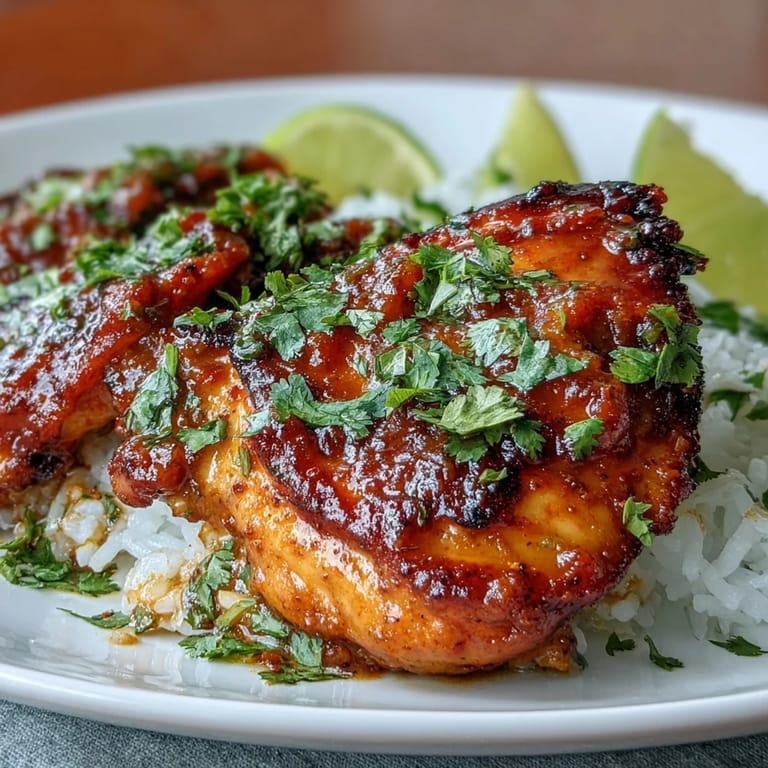
- Scoop a chicken thigh onto a bed of steamed basmati rice or alongside warm naan, pour the sauce generously over everything, and scatter fresh cilantro over the top. Add a lime wedge for those who want extra brightness.
 Save
Save There was a moment, about halfway through that first batch, when I lifted the oven door and the steam hit my face all at once—ginger, cilantro, toasted cumin, lime—and I understood why people get so passionate about curry. Food that fills your kitchen with that kind of comfort and possibility becomes less about just dinner and more about caring for the people sitting around your table.
Why Fresh Spices Actually Matter Here
The difference between cumin that's been in your cabinet for two years and cumin you bought last month is the difference between eating cardboard and eating something alive. Spices fade quietly; they don't go rancid loudly, so you use them and wonder why your curry tastes flat. Buy small quantities from stores that turn them over quickly, store them in airtight containers away from heat and light, and notice how the whole dish transforms.
Timing and Temperature: The Quiet Keys to Success
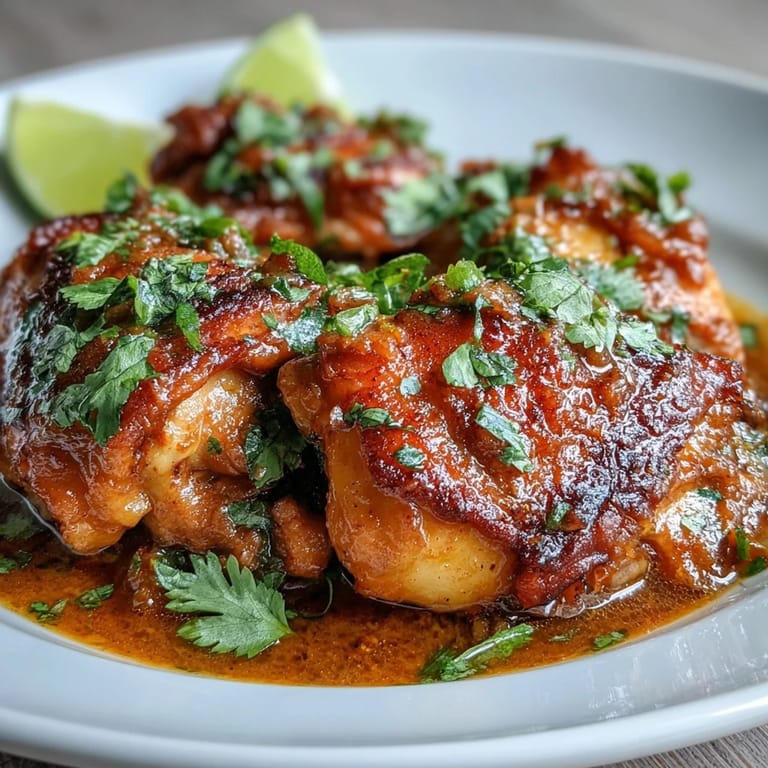
Baking chicken at 400°F is the sweet spot; hot enough to cook the chicken through without drying it out, gentle enough that the yogurt coating doesn't burn before the inside is done. If your oven runs cool, add five minutes and check anyway. The thighs should be fork-tender, the sauce bubbling, and the chicken registering 165°F when you check the thickest part.
Serving Suggestions and Balance
Basmati rice is the traditional pairing because it's neutral enough to soak up the sauce without competing, but warm naan tears apart beautifully through the curry, and for a lighter meal, cauliflower rice works in a pinch. The brightness of fresh cilantro and lime wedges at the table gives everyone the option to add more tang if they like, because curry is personal.
- Always taste and adjust the salt before serving: flavors shift as the sauce reduces in the oven, and a pinch more salt can wake everything up.
- Leftover curry tastes even better the next day: the flavors deepen overnight, so don't hesitate to make this ahead for a no-stress meal later.
- If the sauce looks too thick after baking, stir in a splash of water or chicken broth: it should coat the chicken but still pool on the plate, not sit stiff.
 Save
Save This curry has become the kind of dish I make when I want to feel like I'm taking care of someone, or when I want to remind myself that good food doesn't require complicated techniques, just good ingredients and a little patience. Make it, serve it warm, and watch how people slow down to actually taste what's in front of them.
Recipe FAQs
- → How long should I marinate the chicken for best flavor?
Marinate the chicken thighs for at least 1 hour in the refrigerator, though overnight allows the spices to deeply infuse and tenderize the meat.
- → Can I use chicken breasts instead of thighs?
Yes, but adjust baking time as breasts cook faster and may dry out if overbaked. Monitor until the internal temperature reaches 165°F (74°C).
- → What can I substitute for coconut milk?
Full-fat coconut milk adds creaminess and subtle sweetness. You can try heavy cream or cashew cream as alternatives, though the flavor will vary.
- → How do I control the heat level in this dish?
Adjust chili powder and cayenne pepper amounts to your taste, reducing for milder flavor or increasing for more heat.
- → What side dishes complement this chicken preparation?
Steamed basmati rice, naan bread, or cauliflower rice work well to soak up the flavorful sauce and balance the spices.
- → Can I prepare this in advance?
Yes, marinate the chicken ahead and assemble the sauce. Bake just before serving to keep textures fresh and vibrant.