 Save
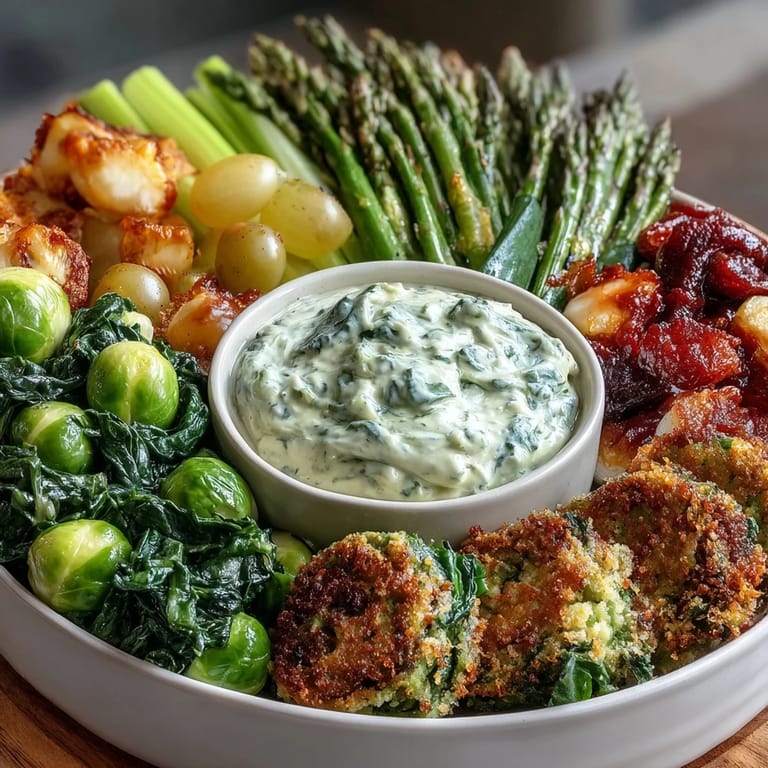
Save My neighbor texted me last year asking if I could bring something green to her St. Patrick's Day party, and I showed up with a hastily thrown together veggie plate that honestly looked sad. This year, I decided to do it right, and somewhere between arranging kiwi slices and discovering that wasabi peas actually belong on a party board, I realized that a snack board isn't just about filling a platter—it's about creating something people want to lean in and explore. The colors, the textures, the little surprises tucked between the greens—suddenly everyone was gathered around it like it was the main event.
I made this board for my kids' school party, and watching them point out which dips matched which snacks—green M&Ms with the guacamole, wasabi peas with the yogurt dip—made me realize kids actually care about color coordination when you give them the chance. One little girl asked if the board itself was edible, and I loved that the whole thing felt like it was designed just for play and fun.
Ingredients
- Sugar snap peas and snow peas: These stay crisp when prepped ahead and add a natural sweetness that balances the saltier snacks—buy them firm and slightly cool from the store.
- Cucumber slices: Cut them thick enough that they won't wilt, and soak them in ice water for thirty minutes before arranging if you're prepping early.
- Green bell peppers: The mildness is your friend here, playing nice with both sweet and savory flavors without overpowering anything.
- Broccoli florets: Keep them small and raw, and people will actually eat them when they're part of a beautiful board instead of sitting alone on a veggie tray.
- Celery sticks: Cut them into finger-friendly lengths and store them upright in cold water so they stay crispier than any chip.
- Green grapes: Choose ones that are slightly firm so they keep their shape, and they'll add little pops of sweetness throughout the board.
- Kiwis: Slice them fresh just before serving so the green stays vibrant and the juice doesn't make everything soggy.
- Green tortilla chips and pita chips: Buy the good kind that actually tastes like something, not the cardboard-flavored basics that no one reaches for.
- Wasabi peas: These tiny heat bombs are the secret weapon that make people go back for more and say your board is the best one they've seen.
- Mini mozzarella balls: Keep them cold until the last moment, and honestly, they disappear faster than anything else on the board.
- Green olives: Pit them ahead of time—no one wants that surprise—and choose the kind you actually like since you'll be tasting them.
- Guacamole and spinach & artichoke dip: Make these yourself if you have time, but quality store-bought versions are perfectly respectable when you arrange them this beautifully.
- Herbed Greek yogurt dip: Fresh dill and chives make this taste like something special, and the brightness cuts through the richness of everything else.
- Green apples: Toss them in a little lemon juice so they don't brown, and the tartness is perfect for cutting through creamy dips.
- Green candies and pistachios: These fill the empty spaces and add texture, but don't feel obligated to go fancy—regular green M&Ms work just fine.
Tired of Takeout? 🥡
Get 10 meals you can make faster than delivery arrives. Seriously.
One email. No spam. Unsubscribe anytime.
Instructions
- Wash and prep everything first:
- Rinse your vegetables and pat them dry—wet pieces will slide around and make your board look chaotic instead of carefully arranged. If you're doing this early in the day, keep everything in ice water to stay crisp and ready.
- Make your dips and set them out:
- Whether you're whipping up the yogurt dip or opening store-bought containers, place them in small bowls and position them as anchors on your board—they give you a framework for everything else. Leaving gaps around them actually gives you a cleaner look than trying to pack every inch tight.
- Start with your largest pieces:
- Lay out your broccoli, celery, and pepper strips first, spreading them across the board in little clusters so you're not looking at one big jumble. These create natural sections that make the whole thing feel intentional instead of random.
- Fill in with variety and color:
- Add your more delicate items like cucumber slices, kiwis, and grapes next, nestling them between the bigger vegetables and letting them overlap slightly for a gorgeous, abundant look. The key is mixing textures and colors so no two similar items are touching—it trains the eye to keep moving.
- Scatter your savory snacks and sweets:
- Tuck in your chips, wasabi peas, olives, and candies in small handfuls wherever there's space, treating them like little surprises hidden throughout the board. Step back and look at it—where does your eye go first, and are there any awkward empty spaces left?
- Taste as you go and adjust:
- Steal a snap pea or two and actually taste what you're putting out there so you know it's good and everything works together. This catches any mushy pieces and lets you swap in something better before guests arrive.
 Save
Save My mom walked into the kitchen while I was arranging this board and just stood there quietly, which I thought meant it looked terrible until she said, "This is how I want to eat from now on—everything all at once, with dips." It made me laugh because she was right; there's something about a board that just makes eating feel less like a meal and more like an experience, especially when it's this green and festive.
Timing and Prep Strategy
The beauty of a snack board is that you can do almost everything in advance, which is perfect for party hosting since your oven won't be tied up. Cut your vegetables in the morning, keep them in ice water in the fridge, and you'll have crisp, ready-to-arrange pieces waiting for you. Your dips can sit covered in the fridge for hours, and honestly, the longer the herbs in that yogurt dip sit together, the better they taste.
Making It Your Own
This board is a template, not a rulebook—if you hate pistachios, don't buy them; if you've got amazing homemade green goddess dressing, that becomes your third dip. I've added everything from edamame to spirulina crackers depending on what felt right that week, and every version has been greeted the same way: people circling around it asking where you got it catered from. The secret is just that you cared enough to arrange it nicely, which sounds simple but honestly changes everything.
- Try adding green hummus, green goddess dressing, or even a pesto-based cream cheese for dip variety.
- Keep extra ingredients on hand to refresh the board if you're having people over all afternoon.
- Let the board sit out for about thirty minutes before serving so everything reaches room temperature and tastes better.
 Save
Save This board has become my go-to St. Patrick's Day move, and honestly, my answer for any gathering where showing up with something festive feels right. It's low stress, high reward, and everyone gets to eat whatever combination speaks to them in that moment.
Recipe FAQs
- → What fresh vegetables work best on this board?
Snap peas, cucumbers, green bell peppers, broccoli, celery sticks, and green grapes provide crisp textures and vibrant colors.
- → How can I adapt the dips for dietary preferences?
Offering plant-based cheese balls and dairy-free dips easily makes the spread vegan-friendly; using gluten-free chips ensures suitability for gluten-sensitive guests.
- → What sweet elements balance the savory snacks?
Green apple slices, green M&Ms or chocolate candies, pistachios, and optional matcha chocolate bark add a sweet, crunchy contrast.
- → How should the board be arranged for best presentation?
Place dips centrally or at corners, group similar-colored items together, and fill gaps with extra snacks or nuts to create visual appeal.
- → Can this board be prepared ahead of time?
Yes, prepare and slice all elements in advance, arranging on the platter just before serving or cover and refrigerate briefly.