 Save
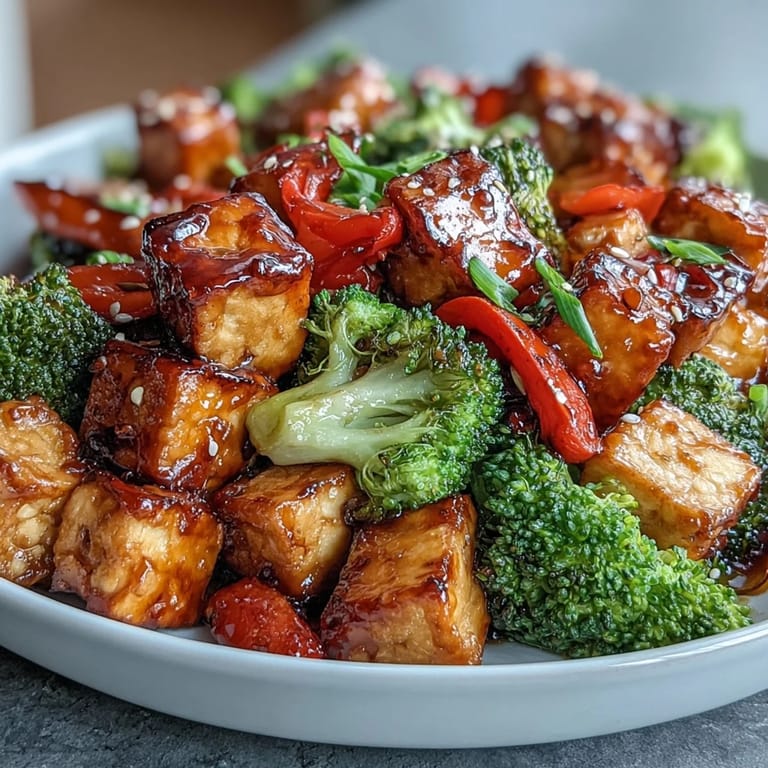
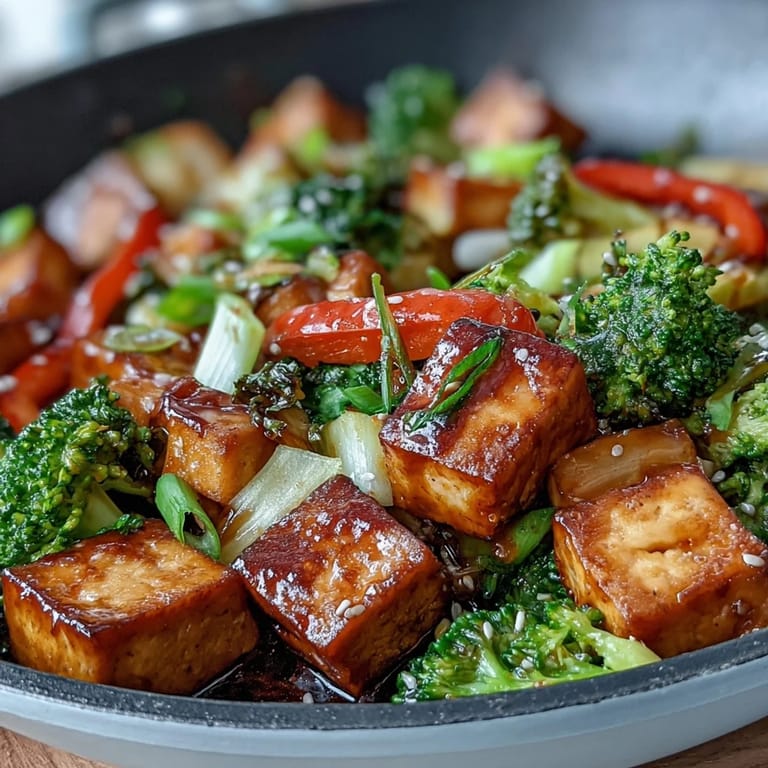
Save There's something almost meditative about watching tofu transform from pale and plain into something golden and glistening under the oven's heat. One weeknight, I was tired of the usual stir-fry routine—standing over a hot wok, constantly stirring, sweating through dinner prep—and decided to throw everything onto a sheet pan instead. The result was so unexpectedly delicious that I've barely touched my wok since, and my kitchen stays cool while dinner practically cooks itself.
I made this for my sister on a Thursday night when she mentioned feeling uninspired by her usual dinner rotation, and watching her face light up at the first bite—that glossy tofu, those caramelized vegetables—made me realize this wasn't just easy, it was genuinely impressive. She's made it three times since, and now she text me photos of her variations.
Ingredients
- Extra-firm tofu (400 g): Press it well beforehand; moisture is the enemy of crispiness, and those extra minutes of squeezing make all the difference between soggy and spectacular.
- Broccoli florets (1 head): Cut them roughly the same size so they cook evenly, and don't be afraid to let the edges char a little.
- Red and yellow bell peppers (1 of each): The color contrast is gorgeous, but pick peppers that feel firm and glossy rather than soft or wrinkled.
- Red onion (1 medium): Slice thickly so the pieces don't disappear into the pan, and the sweetness that emerges when roasted is pure magic.
- Vegetable oil (2 tbsp): Use an oil with a high smoke point; avocado oil has a subtle richness, but canola works just as well.
- Low-sodium soy sauce or tamari (60 ml): Tamari tastes slightly deeper and is gluten-free, but honestly either works beautifully here.
- Maple syrup (2 tbsp): This sweetness balances the umami perfectly, and it caramelizes slightly when the sauce reduces, adding complexity.
- Rice vinegar (1 tbsp): Don't skip this; it brightens everything and keeps the sauce from tasting one-note and heavy.
- Sesame oil (1 tbsp): This is the secret ingredient that whispers elegance into every bite without overpowering anything else.
- Fresh garlic and ginger (2 cloves minced, 1 tbsp grated): Don't use the jarred versions if you can help it; fresh aromatics make a noticeable difference in the final flavor.
- Cornstarch (1 tbsp in sauce, plus optional for tofu): It thickens the glaze into something glossy and clingable rather than thin and forgettable.
- Water (60 ml): This lets the sauce reduce into something concentrated rather than remaining thin and watery.
- Sesame seeds and green onions (for garnish): These final touches feel like the chef's kiss that transforms a good dinner into something you'll want to make again.
Tired of Takeout? 🥡
Get 10 meals you can make faster than delivery arrives. Seriously.
One email. No spam. Unsubscribe anytime.
Instructions
- Heat your oven and prep your stage:
- Set the oven to 220°C (425°F) and line your sheet pan with parchment paper. This temperature is hot enough to get the vegetables tender and the tofu golden without burning anything, and the parchment means zero cleanup stress.
- Arrange and season everything:
- Spread the pressed tofu cubes, broccoli, peppers, and onion across the pan in a somewhat single layer. Drizzle with oil, scatter salt and pepper over everything, and toss gently but thoroughly so each piece gets coated. Don't crowd the pan too much; the vegetables need space to roast rather than steam.
- First roast:
- Bake for 20 minutes, and halfway through, give everything a gentle shake or toss so nothing sticks or browns unevenly. You're looking for the tofu to turn golden at the edges and the vegetables to soften with some caramelized spots.
- Build the teriyaki magic:
- While the vegetables roast, combine soy sauce, maple syrup, rice vinegar, sesame oil, garlic, and ginger in a small saucepan. Whisk the cornstarch with the water first so it doesn't clump, then add it to the pan. Bring everything to a gentle simmer over medium heat, whisking constantly until the sauce thickens (about 2–3 minutes). It should smell like a delicious Asian restaurant by now.
- Glaze and finish:
- Pull the pan from the oven, pour that gorgeous teriyaki sauce over everything, and toss gently so every piece gets coated. Return to the oven for 5 more minutes so the sauce clings and caramelizes slightly.
- Garnish and serve:
- Remove from heat, scatter sesame seeds and sliced green onions over the top, and serve immediately while everything is still warm and steaming. Serve over jasmine or brown rice if you want to soak up every drop of sauce.
 Save
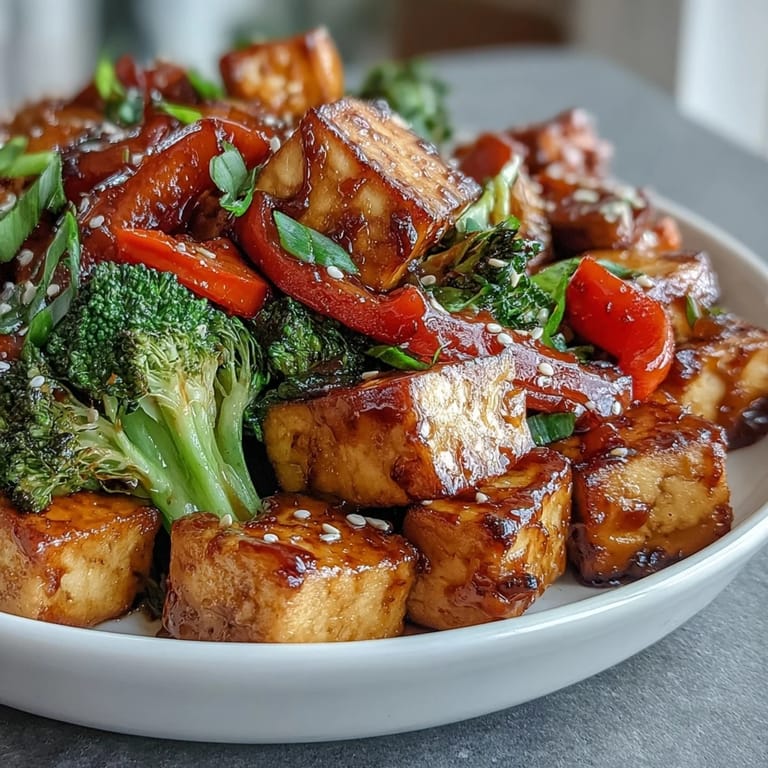
Save There was this moment when I served this to a friend who'd been vegan for six months and was tired of people acting like vegan food had to be sad or complicated. Watching her dig in without hesitation, without asking questions or checking ingredients, and just enjoying dinner like everyone else—that's when I realized this recipe wasn't about being vegan, it was just about being delicious.
Why This Works as a Sheet Pan Dinner
Sheet pan cooking is forgiving in ways that traditional stir-frying isn't. There's no constant stirring, no heat management anxiety, and the oven's dry heat actually does something tofu struggles with on a stovetop: it creates real, structured crispiness rather than just browning. Everything cooks at the same temperature, so timing becomes simple instead of a juggling act.
Making It Your Own
This recipe is genuinely flexible without losing its backbone of flavor. Snap peas, carrots, or mushrooms swap in seamlessly, and if you find yourself with different vegetables in the crisper drawer, don't hesitate to use them instead. The teriyaki sauce is what ties everything together, so as long as you nail that part, you're free to customize the rest without worry.
The Sauce is Everything
I've made this with store-bought teriyaki sauce exactly once, and while it was fine, homemade sauce tastes noticeably fresher and more balanced. The maple syrup brings a subtle sweetness that bottled versions often overdo, and the rice vinegar keeps things bright instead of cloying. Making it takes maybe five minutes longer than opening a jar, and the difference is genuinely worth it.
- Always whisk the cornstarch with cold water separately before adding it to the warm sauce, or you'll end up with lumps.
- Let the sauce simmer for the full 2–3 minutes so the cornstarch has time to fully activate and the sauce becomes glossy.
- If your sauce seems too thin after simmering, whisk a tiny bit more cornstarch mixed with water and let it simmer another minute.
 Save
Save There's real freedom in a dinner that tastes like you fussed over it when you honestly just threw things on a pan and walked away. This one has become my go-to when I want to impress without the stress, or when I'm just feeding myself and want something that feels celebratory on a regular Tuesday.
Recipe FAQs
- → How can I make the tofu extra crispy?
Before baking, toss the tofu cubes with cornstarch to create a crispier texture when cooked on the sheet pan.
- → Can I substitute the soy sauce for a gluten-free option?
Yes, use tamari instead of soy sauce to keep the dish gluten-free without sacrificing flavor.
- → What vegetables work well in this stir-fry?
Broccoli, bell peppers, and red onion are great choices, but snap peas, carrots, or mushrooms can also be added for variety.
- → How long should I bake the tofu and vegetables?
Bake for 20 minutes at 220°C (425°F), tossing halfway, then add the sauce and bake for an additional 5 minutes to finish.
- → What can I serve alongside for a complete meal?
Steamed jasmine or brown rice pairs wonderfully, adding a comforting base to the flavorful vegan stir-fry.