 Save
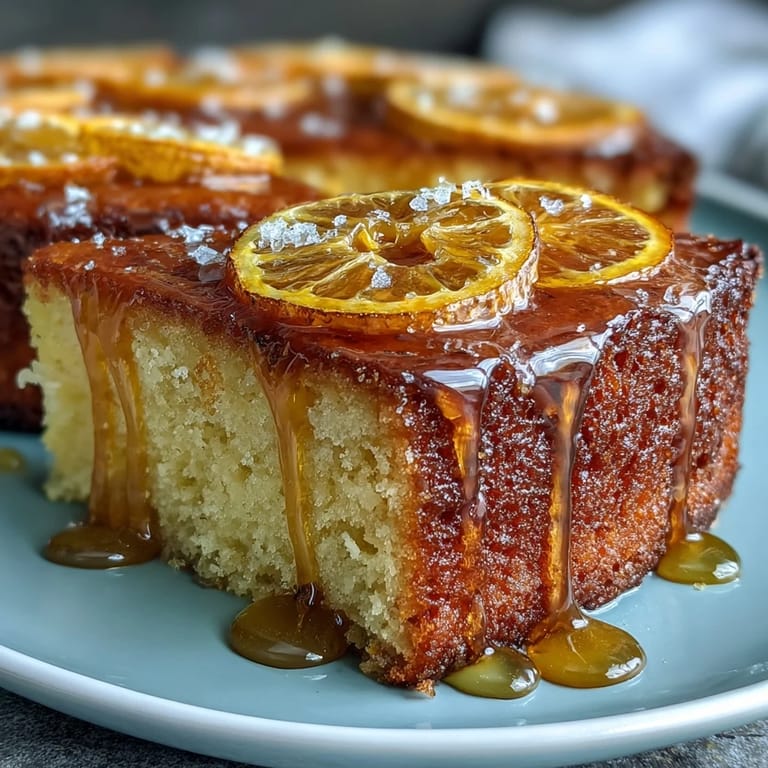
Save There's something about the smell of oranges simmering in sugar that stops you mid-afternoon and makes you forget what you were doing. I discovered this cake quite by accident, really—I had candied too many orange slices for a cocktail project and found myself with a surplus, sitting on my counter looking purposeful. Rather than let them go to waste, I started wondering what would happen if I built an entire cake around them, using good olive oil to keep everything tender and fragrant. The result was so unexpectedly good that my kitchen smelled like a Mediterranean hillside for days, and I've been making it ever since.
I remember bringing this to a small dinner party on a rainy November evening, and watching my friend Sarah take the first bite with that skeptical look people get when they're not sure about olive oil in dessert. She closed her eyes for a moment, and I knew I'd won her over before she even set the fork down. That's when I realized this cake bridges something—it's not precious or fussy, but it tastes like you spent the whole afternoon thinking about your guests.
Ingredients
- Medium oranges (2), thinly sliced: The thinner you slice them, the more quickly they candy and the more elegant they look embedded in the cake. A mandoline makes this effortless if you have one, but a sharp knife works beautifully too.
- Granulated sugar (1 cup plus 1 cup): The first cup goes toward candying the oranges until they're glossy and translucent; the second sweetens the batter itself. Don't skimp on quality here—it affects the final flavor.
- Water (1 cup): This is your poaching liquid for the oranges, and it's essential for keeping them plump rather than dried out.
- All-purpose flour (2 cups): Measure by spooning and leveling, not scooping directly from the bag, or you'll end up with a dense cake.
- Baking powder and baking soda (1 1/2 teaspoons and 1/2 teaspoon): The combination gives you gentle, even rise without an overly cakey texture.
- Salt (1/2 teaspoon): This amplifies the citrus notes and balances the sweetness so the cake doesn't cloy.
- Orange zest (from 1 orange): Zest before you juice, and use a microplane for the finest texture—it releases the oils more evenly into the batter.
- Large eggs (3), room temperature: Cold eggs won't emulsify properly with the oil, so pull them out of the fridge 20 minutes before baking.
- Extra virgin olive oil (3/4 cup): This is the backbone of the cake's moisture and flavor, so choose one you actually enjoy tasting on its own. Skip the premium stuff if it's very grassy; you want something balanced.
- Whole milk, room temperature (3/4 cup): The warmth helps everything combine smoothly and creates a more tender crumb than cold milk would.
- Vanilla extract (1 teaspoon): A small amount that mostly stays in the background, just softening the citrus edges slightly.
- Powdered sugar, sifted (1 cup): Sifting removes lumps and ensures a smooth glaze; this step takes 30 seconds and is worth every one of them.
- Fresh orange juice and lemon juice (2–3 tablespoons and 1 tablespoon): The lemon brightens everything and keeps the glaze from tasting one-dimensional.
Tired of Takeout? 🥡
Get 10 meals you can make faster than delivery arrives. Seriously.
One email. No spam. Unsubscribe anytime.
Instructions
- Candy the oranges with patience and heat:
- Pour your sugar and water into a large skillet and let it come to a simmer over medium heat, stirring occasionally until the sugar dissolves completely. Once it's clear and bubbling gently, lay your orange slices in a single layer—they should be mostly submerged, and as they sit in the syrup, they'll gradually become translucent and tender over 20–25 minutes. Flip them halfway through so they candy evenly, and you'll know they're done when they look almost glassy and have lost their raw firmness. Transfer them carefully to parchment paper to cool, and don't rush this part—let them sit while you move on to the cake.
- Get your oven and pan ready:
- While the oranges are cooling, preheat your oven to 350°F (175°C) and prepare a 9-inch round cake pan by greasing it thoroughly and lining the bottom with parchment paper. The parchment underneath is your insurance policy against sticking and makes inverting the cake infinitely easier later on.
- Whisk the dry ingredients into unity:
- In a medium bowl, whisk together your flour, baking powder, baking soda, and salt, making sure there are no hidden pockets of baking soda lurking in the corners. This step aerates the flour slightly and ensures even distribution of your leavening agents throughout the batter.
- Build the wet mixture with intention:
- In your largest mixing bowl, combine the sugar and orange zest, then rub them together between your fingers for a few moments until the mixture becomes fragrant and the zest releases its oils. Add your room-temperature eggs and whisk them together until the mixture becomes pale, thick, and slightly mousse-like—this takes about 2–3 minutes of steady whisking. Now comes the part where most people get nervous: slowly stream in your olive oil while whisking constantly, as if you're making mayonnaise by hand. The mixture should stay emulsified and smooth; if you add the oil too quickly, it will break and look grainy, so take your time here.
- Fold in the flour and milk in careful stages:
- Add half of your dry mixture to the wet mixture and fold gently with a spatula until almost combined, then add half the milk and the vanilla, folding until just barely mixed. Repeat this process with the remaining dry ingredients and milk, folding gently until everything comes together with no visible streaks of flour. Overmixing at this stage is the enemy—it develops gluten and creates a tough, dense cake, so stop as soon as things are unified.
- Layer the batter with candied oranges:
- Arrange a layer of your cooled candied orange slices on the bottom of the prepared pan, then pour the batter over them carefully and smooth the top with a spatula. Some of the orange slices will float up as you pour, and that's fine—they'll create a beautiful pattern on the surface and sides as the cake bakes.
- Bake until golden and set:
- Slide the pan into your preheated oven and bake for 45–50 minutes, until the cake is golden brown around the edges and a toothpick inserted into the center comes out clean or with just a few moist crumbs clinging to it. The kitchen will smell absolutely incredible at this point, and yes, you can peek—just don't open the door before the 40-minute mark.
- Cool with strategy and care:
- Let the cake sit in the pan for 15 minutes—this is important because it firms up enough to flip without falling apart. Place a wire rack over the pan and invert it in one confident motion, then flip the cake back right-side up so the beautiful candied oranges that were on the bottom are now on top. Let it cool completely on the rack before glazing.
- Make the glaze and finish:
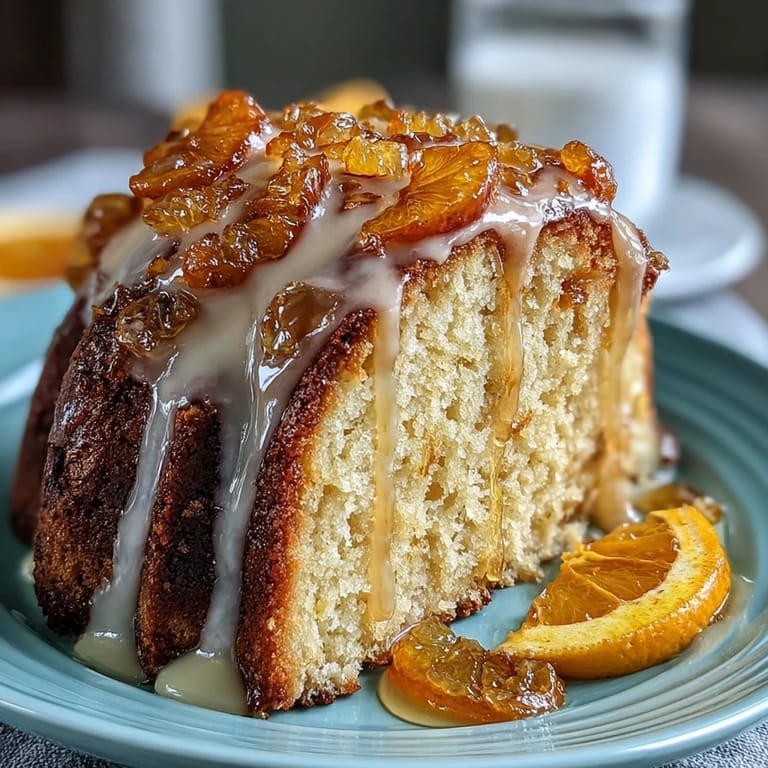
- Whisk together your sifted powdered sugar, orange juice, and lemon juice until you have a smooth, pourable consistency—it should flow slowly from a spoon but not be runny. Drizzle it over the cooled cake in whatever pattern feels right, and if you have any candied oranges left over, arrange them on top for drama and because they're too beautiful to hide.
 Save
Save There's a particular kind of joy in pulling a cake from the oven that smells better than you imagined, that looks almost too pretty to cut into. This one has that quality—it feels special enough for a dinner party but tastes homey enough that you don't feel guilty eating it with your coffee on a Tuesday morning.
Why Candied Oranges Matter More Than You Think
When I first started making this cake, I tried using store-bought candied peel, thinking I was being efficient. The cake was fine—sweet, moist, citrusy—but it felt generic, like something from a box mix that happened to have olive oil in it. The moment I started candying my own oranges, everything shifted. There's a texture difference—homemade candies are plumper and more tender, and they taste like actual oranges rather than sugar with a hint of citrus. Plus, the syrup left behind in your pan is liquid gold for drizzling or adding to tea. Once you see how simple it is, you'll understand why it's worth the extra 25 minutes.
The Olive Oil Question People Always Ask
Yes, you can taste the olive oil, but not in the way that might concern you. It's not the grassy, peppery kind that makes you think of salads; it's the background note that makes people wonder why this cake is so moist, why it tastes so refined. Extra virgin olive oil actually creates a finer, more tender crumb than butter would because of its chemistry, and the subtle fruity notes complement the citrus rather than compete with it. If you're nervous, go with a milder, buttery-tasting olive oil rather than a bold, peppery one—it'll be friendlier to people who think they don't like olive oil in cake.
Variations and Moments of Inspiration
This cake is humble enough to adapt but confident enough that it doesn't need major changes. Blood oranges turn it into something almost dramatic, with a color that deepens the whole experience. Lemon zest instead of orange creates a more subtle, sophisticated version that pairs beautifully with afternoon tea. You can substitute Greek yogurt for half the milk if you want a slightly tangier crumb and a richer texture, though I'd recommend tasting before you commit to it. For serving, it's gorgeous with nothing more than a dusting of powdered sugar, but it's also stunning alongside whipped cream, ice cream, or even a light mascarpone dollop.
- Try blood oranges for drama, or use a combination of orange and lemon for complexity.
- Greek yogurt substitution works beautifully if you're after a richer, slightly tangier texture.
- This cake stays moist for three days covered at room temperature—almost better on day two than day one.
 Save
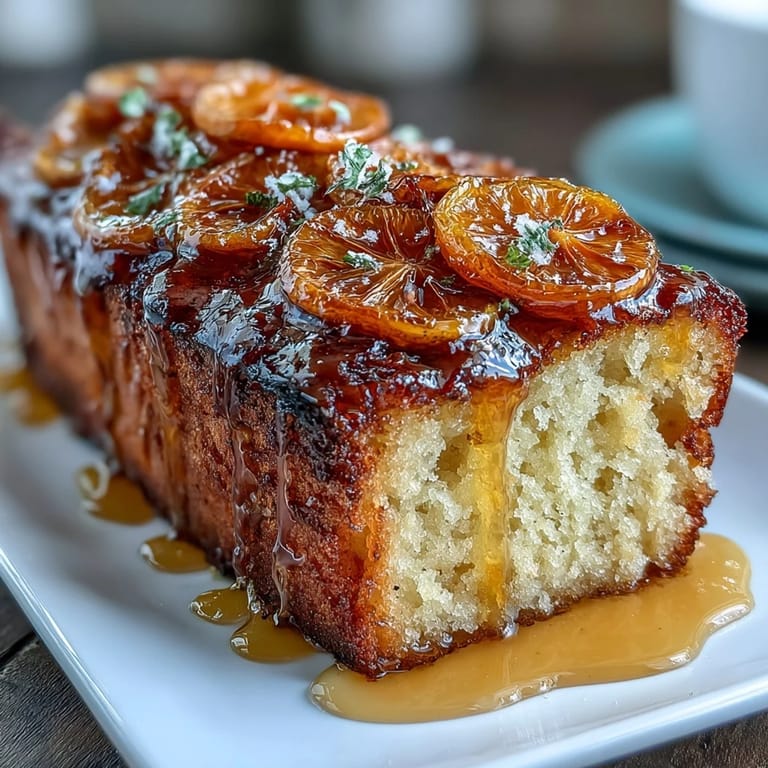
Save This cake is the kind that makes you feel like a better cook than you actually are, which is the best kind of recipe to have on hand. Serve it with confidence and watch people remember it long after they've finished eating.
Recipe FAQs
- → How are the candied oranges prepared?
Thin orange slices are gently simmered in a sugar and water syrup until they become translucent and tender, then cooled on parchment to set.
- → What type of oil is used in the cake?
Extra virgin olive oil is used, lending the cake a moist texture and subtle fruity aroma.
- → Can I substitute ingredients for dietary preferences?
Greek yogurt can replace milk to add tang and moisture, enhancing the crumb texture.
- → What is the purpose of the citrus glaze?
The glaze adds a bright, tangy finish balancing the sweetness and enhancing citrus notes throughout the cake.
- → What baking tools are essential?
A 9-inch round pan, mixing bowls, whisk, saucepan or skillet, parchment paper, and wire rack are needed for smooth preparation and baking.