 Save
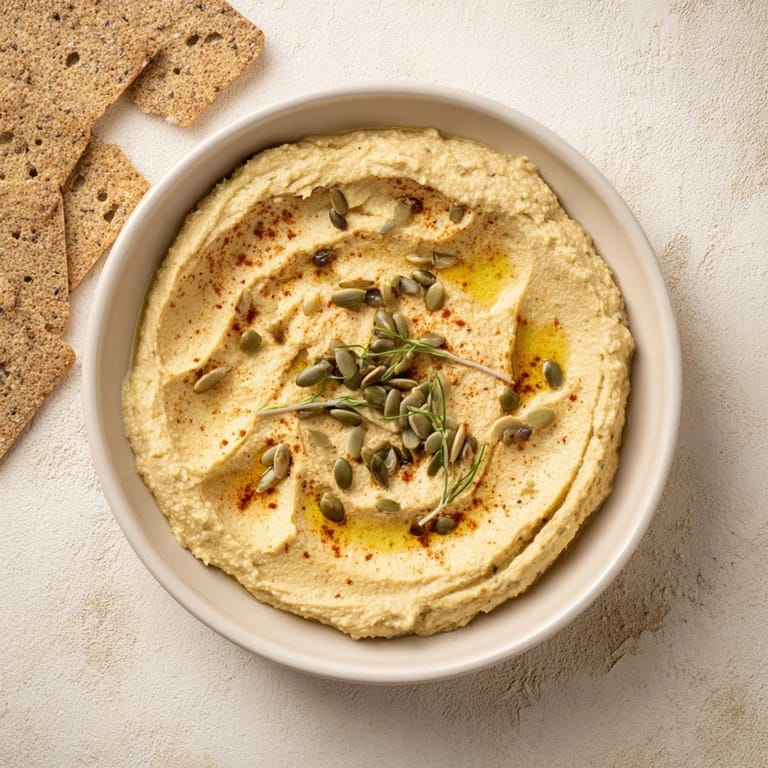
Save I discovered this dish while staring at a cookbook open on my kitchen counter, half-listening to a friend describe how she'd arranged her hummus on a platter in waves. At first, it sounded oddly architectural for something meant to eat, but then I tried it—the way those crackers stood upright in the creamy ridges, catching the light, made something click. It wasn't just hummus and crackers anymore; it suddenly felt intentional, like edible art that tasted as good as it looked.
I made this for a dinner party on a rainy Tuesday, and what I remember most isn't the recipe itself but how my neighbor leaned over the platter with genuine curiosity, asking if I'd made the hummus from scratch. I hadn't, but standing there explaining the smoked paprika and the way the crackers nestle into the waves, I felt like I'd created something worth talking about—which, in the end, might be the whole point.
Ingredients
- Classic hummus: 500 g of store-bought works beautifully—don't overthink this one, but if you've made hummus before, you know how satisfying it is to blend your own chickpeas and tahini.
- Smoked paprika: 1 tsp brings a quiet warmth that makes hummus taste less like something from a tub and more like something you've been tending to all afternoon.
- Extra-virgin olive oil: 1 tbsp is your tool for creating those glossy, inviting ridges; cheap oil won't give you the same finish.
- Ground cumin: 1/2 tsp deepens everything—this is the ingredient people can't quite name when they taste it, but they always notice it's missing if you skip it.
- Cayenne pepper: 1/4 tsp optional, but a whisper of heat wakes up the palate and prevents this from feeling one-note.
- Beige crackers: 200 g of whole wheat, sesame, or water crackers—the color matters as much as the crunch here, so choose ones that feel sturdy enough to stand in hummus without breaking.
- Toasted sesame seeds: 2 tbsp adds texture and a nutty finish that feels intentional rather than an afterthought.
- Fresh parsley: 2 tbsp chopped brings green life to what could otherwise feel monochromatic.
- Lemon wedges: 1 small lemon cut into wedges is your insurance policy, adding brightness and preventing palate fatigue.
Tired of Takeout? 🥡
Get 10 meals you can make faster than delivery arrives. Seriously.
One email. No spam. Unsubscribe anytime.
Instructions
- Season your hummus like you mean it:
- In a bowl, fold together the hummus, smoked paprika, olive oil, cumin, and cayenne pepper, stirring until the color is even and inviting. You want it smooth but with personality.
- Create your first landscape:
- Spread a thin, wavy layer of hummus across your platter using a spatula or offset knife, actually thinking about the ridges and valleys as you go—this isn't meant to be perfectly flat. Let your hand move naturally, creating a canyon-like topography.
- Build the canyon walls:
- Stand crackers upright in the hummus following those wavy contours, overlapping them slightly so they lean against each other and create visual depth. This is the moment it stops looking like a snack and starts looking like something deliberate.
- Layer with intention:
- Alternate hummus and crackers 3 to 4 times, each layer reinforcing the wave pattern and building height. Step back after each layer to see how it's taking shape.
- Finish with flourish:
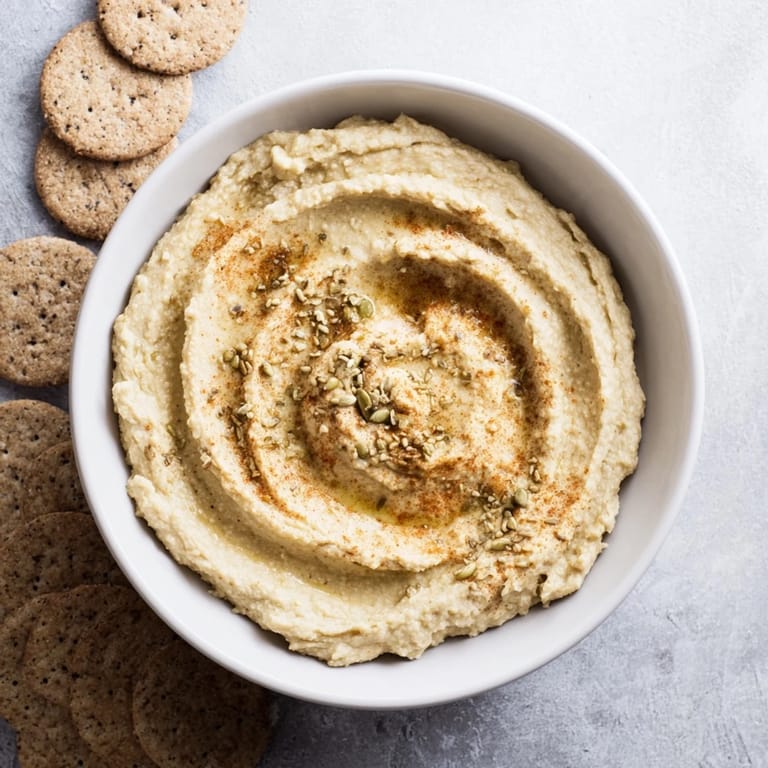
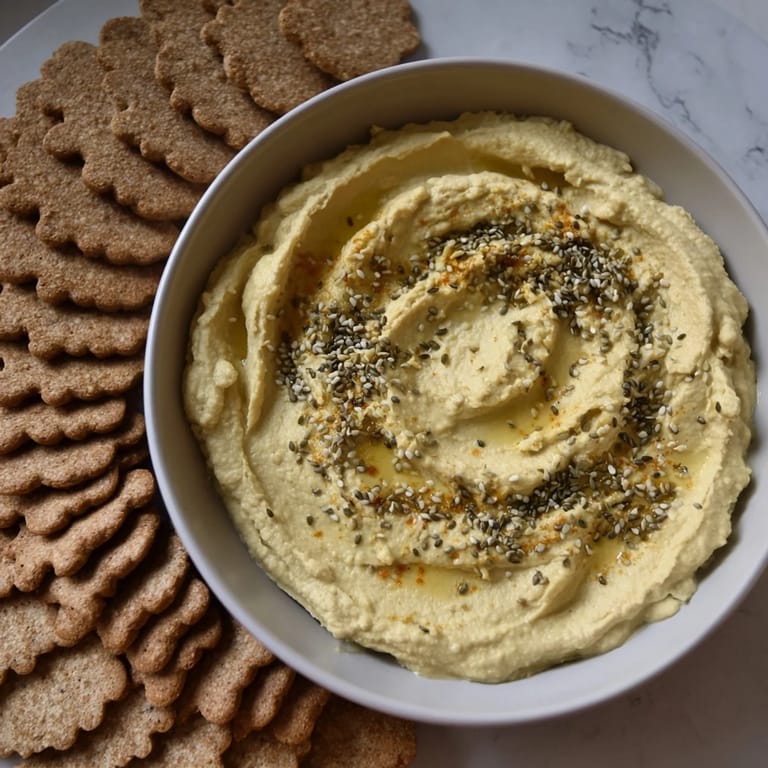
- Scatter toasted sesame seeds and chopped parsley across the top, letting them land in the valleys and cling to the hummus ridges. Arrange lemon wedges nearby for guests to squeeze as they wish.
- Serve right away:
- This is best eaten within an hour while crackers are still snappy and hummus hasn't begun to weep into the platter.
 Save
Save I watched someone's face light up the first time they saw this platter—not because hummus is revelation, but because someone had bothered to make it feel like something worth looking at. That small act of care, of turning a casual appetizer into edible geography, somehow made the whole evening feel more thoughtful. It reminded me that entertaining isn't just about the food; it's about what the food says about how much you wanted people to feel welcome.
Why Color and Texture Matter
The reason beige crackers work here instead of, say, white ones is that they echo the sandstone of the dish's name—they're part of the story you're telling on the platter. The sesame seeds aren't just seasoning; they catch light and add dimension. Every element exists twice: once to be eaten, once to be seen. When you stand back and look at what you've made before guests arrive, that moment of satisfaction is worth the extra thought you've put into it.
Making It Your Own
I've swirled roasted red pepper hummus between layers on nights when I wanted more color drama, and I've sneaked in a thin spread of sun-dried tomato paste where nobody expected it. The base recipe is forgiving—the architecture is what matters. Once you understand the layering concept, you can swap in different hummus flavors, use roasted chickpeas as a garnish, or toss in diced cucumber for crunch where you see fit.
Serving and Pairing
This dish lives in the aperitif moment—that space before dinner truly begins when people are still standing, talking, reaching for something to eat without real hunger driving them. It's light enough not to ruin an appetite but substantial enough to feel satisfying, and it gives your hands something to do while conversation finds its rhythm. A crisp white wine, cold herbal tea, or even sparkling water lets the hummus shine without competing.
- Make it ahead in pieces: prepare the seasoned hummus in the morning, then assemble the platter 30 minutes before guests arrive.
- If using vegan crackers and vegan hummus, this becomes fully vegan—check your oil and sesame seeds, though most are naturally plant-based.
- Keep extra lemon wedges chilled nearby; some people squeeze them generously over their crackers, and that's the right instinct.
 Save
Save There's something satisfying about taking familiar ingredients and arranging them with intention, turning a regular Tuesday appetizer into something people remember. That's all this really is—hummus and crackers treated like they matter.
Recipe FAQs
- → How do I create the layered effect?
Spread a thin, wavy layer of seasoned hummus on a platter and stand crackers upright along the ridges, alternating layers to mimic canyon textures.
- → Can I use gluten-free crackers?
Yes, substitute with gluten-free crackers to accommodate dietary restrictions without compromising texture.
- → What garnishes enhance this dish?
Toasted sesame seeds and chopped fresh parsley add flavor and visual appeal, along with lemon wedges for brightness.
- → Is it possible to add more flavor variations?
Swirling in roasted red pepper or sun-dried tomato hummus layers introduces deeper, smoky notes.
- → What beverage pairs well with this platter?
A crisp white wine or iced herbal tea complements the creamy and crunchy textures nicely.