 Save
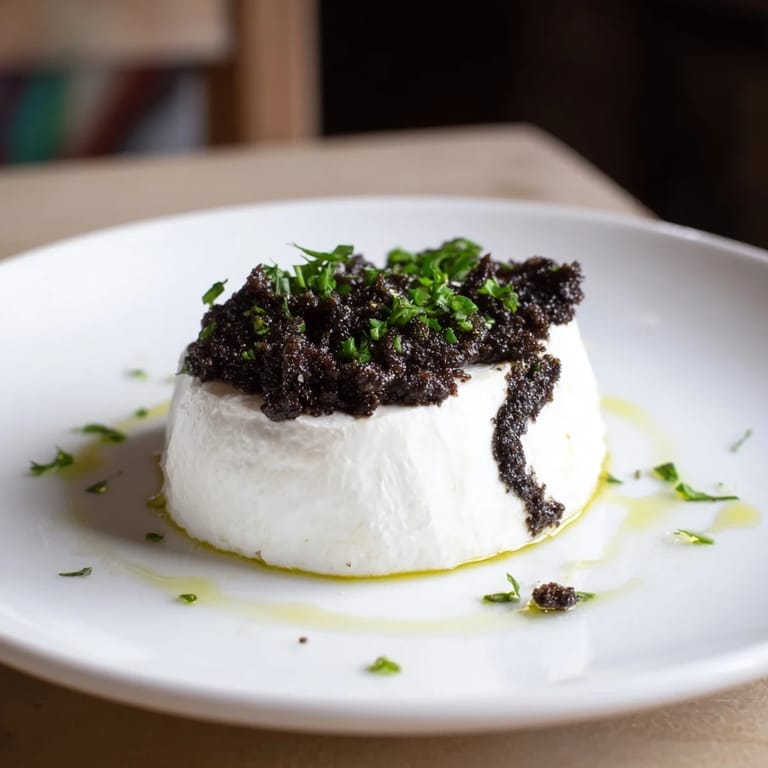
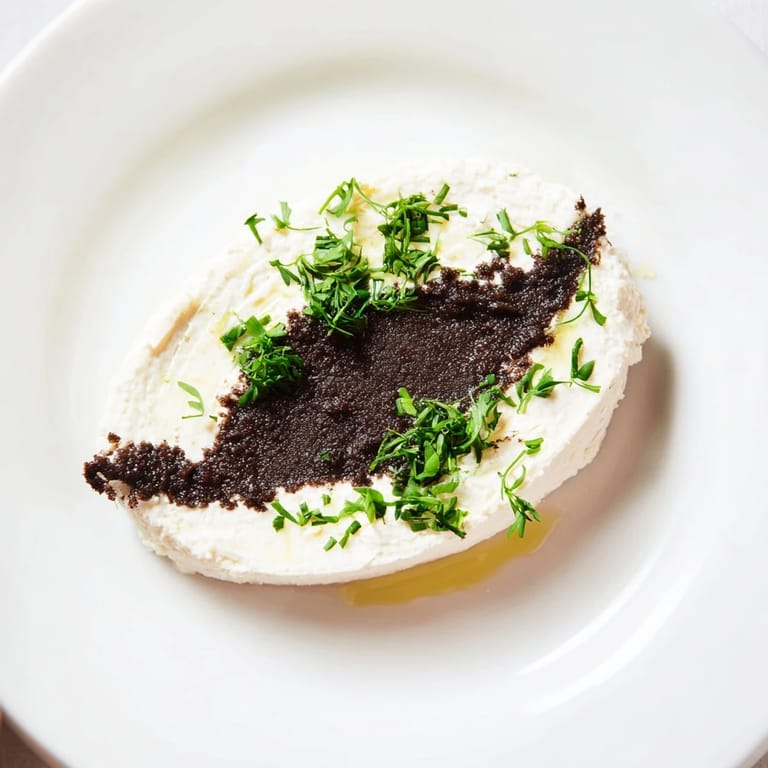
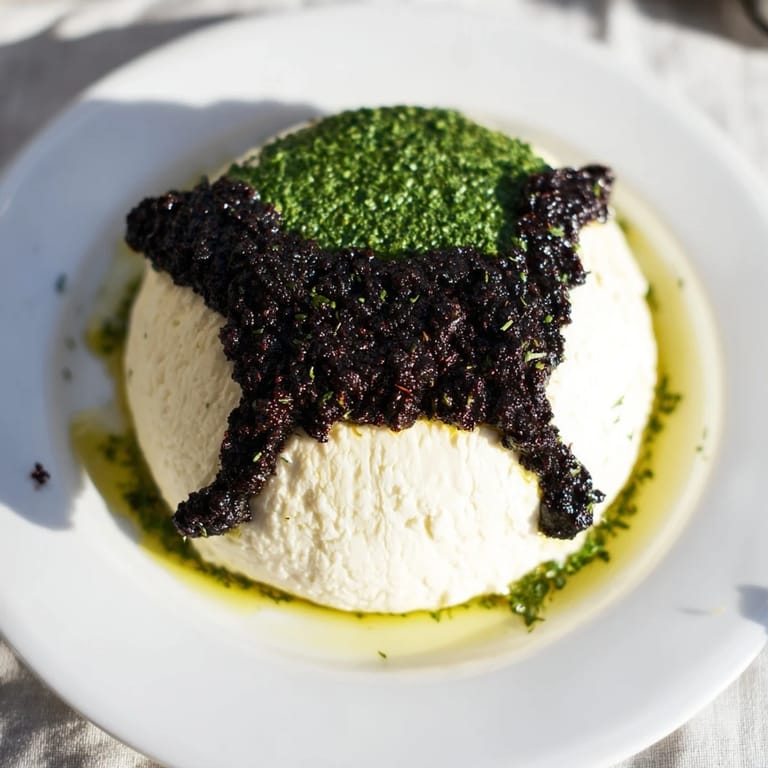
Save The first time I made this, I was standing in my kitchen at dusk, golden light streaming through the window, wondering how to impress guests with something simple yet striking. I'd just bought a wheel of creamy goat cheese and had a jar of briny black olive tapenade in the pantry, and suddenly it hit me—what if I could turn them into something that looked like a Victorian cameo, those elegant portrait medallions you see in antique shops? Twenty minutes later, four little ovals of cheese crowned with dark silhouettes sat on the counter, and I realized I'd stumbled onto something both effortless and elegant.
I served these at a dinner party where someone had just finished reading a book about Victorian jewelry, and watching her recognize the cameo idea made her eyes light up. That moment—when food becomes a conversation starter—is when you know you've nailed it. It wasn't just appetizers; it was a small, delicious reference they'd remember.
Ingredients
- Fresh goat cheese or cream cheese (200 g): The blank canvas for your creation; use goat cheese if you want tang and sophistication, cream cheese if you prefer something milder and easier to spread.
- Black olive tapenade (80 g): This is your portrait—choose one with texture you can see, not something paste-smooth, because the contrast is what makes the cameo work.
- Rustic baguette or gluten-free crackers: Optional but worth it; they give your guests something to anchor the cheese to if they want to eat it like an appetizer rather than just admire it first.
- Fresh herbs like thyme or chives: The final flourish that says you care; chop them fine so they dust the top like a jeweler's detail.
- Extra virgin olive oil: A good one here matters because it's one of only three main ingredients; drizzle it like you're finishing a painting.
Tired of Takeout? 🥡
Get 10 meals you can make faster than delivery arrives. Seriously.
One email. No spam. Unsubscribe anytime.
Instructions
- Shape your ovals:
- Scoop the cheese using a spoon or small spatula, pressing it gently into a thick, oval medallion about 2 centimeters tall. Think of it like sculpting—it doesn't have to be perfect, just intentional. Arrange each one on a serving plate or balanced atop a slice of bread or cracker if that's your style.
- Create the cameo:
- Using the back of your spoon or a clean spatula, spread a thin, deliberate layer of tapenade across the cheese oval to create that silhouette effect, as if you're painting a shadow portrait. If you're feeling brave, use a stencil or freehand a specific shape—a profile, a flower, whatever speaks to you—because this is where the magic of the name comes alive.
- Finish with oil and herbs:
- Drizzle a small amount of excellent olive oil around the edge of each cameo, letting it pool slightly on the plate, then scatter your chopped fresh herbs across the top like the final signature on a work of art.
- Serve right away:
- Bring these to the table immediately while the cheese is still cool and the herbs are fresh. Set out extra bread or crackers on the side so guests can choose to eat them whole or piece by piece.
 Save
Save There's something quietly satisfying about serving food that makes people pause and look before they eat it. These little cameos do that—they announce that you've thought about beauty alongside flavor, and that combination is what lingers long after the plate is empty.
Making Your Own Tapenade
If you want to skip the jar and make tapenade from scratch, it's genuinely simpler than it sounds. Pulse together 100 grams of pitted black olives, one small garlic clove, a teaspoon of capers, a teaspoon of fresh lemon juice, and a tablespoon of olive oil until it reaches the texture you like—chunky or smooth, your call. The homemade version tastes brighter and feels more personal, and you control exactly how salty or garlicky it gets.
Variations and Adaptations
This recipe is a canvas. Swap the tapenade for a bright red pepper coulis if you want color contrast, or try a delicate green pistol pesto for something unexpected. For vegan guests, plant-based cream cheese works beautifully and looks identical on the plate. You can even play with the shape—press the cheese into rounds, hearts, or rectangles depending on your mood or the occasion. The principle stays the same: soft center, bold topping, elegant presentation.
Wine and Table Pairing
These cameos were born for a crisp glass of Sauvignon Blanc, where the bright acidity cuts through the richness of the cheese while the herbal notes echo whatever herbs you've scattered on top. If your gathering leans red, a light Pinot Noir is equally lovely, adding a subtle earthiness that plays against the briny olives. The beauty of this appetizer is that it doesn't demand a specific wine—it enhances whatever you choose.
- Pair with sparkling water or champagne for a non-alcoholic option that feels just as celebratory.
- Serve at room temperature if you've just pulled everything from the fridge; give it two minutes to settle and the flavors will feel softer and more integrated.
- Make extras because they disappear faster than you'd expect, especially once people realize how elegant they look.
 Save
Save This recipe taught me that sometimes the most impressive dishes are the ones that look effortless because they almost are. Serve these and watch your guests realize that you've made elegance look easy.
Recipe FAQs
- → What type of cheese works best for the cameo?
Fresh goat cheese (chèvre) or cream cheese both provide a smooth, creamy texture ideal for shaping into ovals.
- → Can I make the tapenade from scratch?
Yes, blend pitted black olives with garlic, capers, lemon juice, and olive oil for a flavorful homemade tapenade.
- → What are good garnishes for this dish?
Fresh herbs like thyme or chives add color and aroma; a light drizzle of extra virgin olive oil enhances richness.
- → Is this suitable for gluten-free diets?
Yes, serve the cheese and tapenade on gluten-free crackers or skip the base altogether.
- → How should I store leftovers?
Keep any unused cheese and tapenade refrigerated in airtight containers; consume within 2-3 days for freshness.