 Save
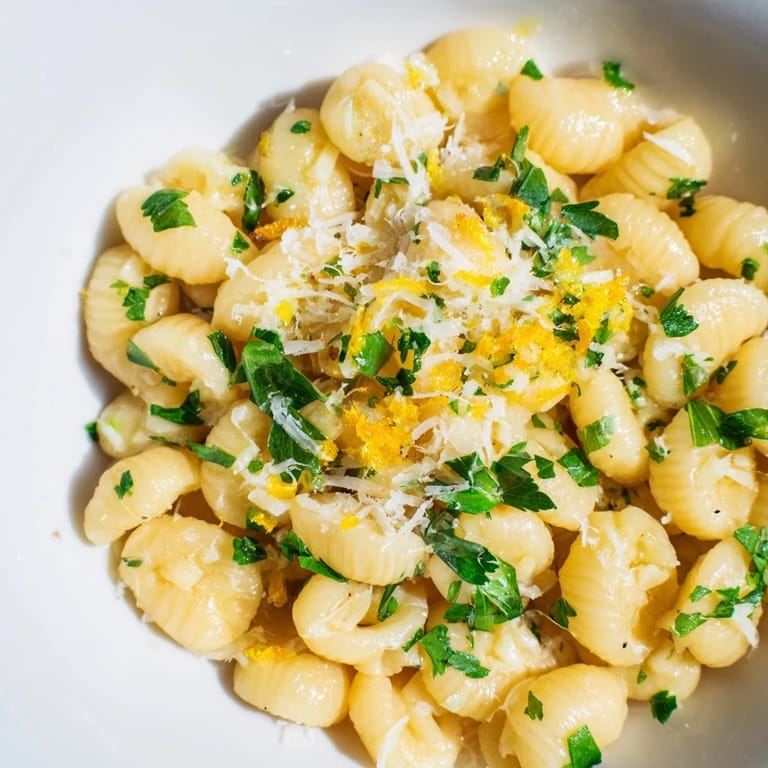
Save There's something about a weeknight when you're tired but hungry that makes you appreciate the simplest, most elegant solutions. One Tuesday evening, I opened the pantry to find mostly empty shelves and a half-box of ditalini staring back at me. Butter, garlic, cream—the holy trinity I always keep on hand—suddenly felt like an invitation rather than a limitation. Fifteen minutes later, I had a bowl of silky, garlicky pasta that tasted like I'd spent hours on it. That's when this dish became my secret weapon for nights when I needed comfort without the fuss.
I made this for my neighbor who showed up at my door with fresh parmesan from the farmer's market, and we ended up eating right at the kitchen counter, laughing about how something this delicious could come together while we were still talking. She asked for the recipe immediately, but honestly, the magic isn't in following steps—it's in the moment when you smell that garlic toasting in butter and realize you're about to eat something special.
Ingredients
- Ditalini pasta, 300 g (10.5 oz): These tiny tube-shaped pieces are perfect because they hold the sauce inside and out—way better than using spaghetti or shells.
- Water, 2 liters (8 cups): Use good quality if you can taste it; otherwise, plain works fine.
- Salt for pasta water, 1 tablespoon: This is where the pasta gets its fundamental flavor, so don't skimp or skip this step.
- Unsalted butter, 4 tablespoons: Unsalted lets you control the final seasoning and gives you that pure, sweet butter taste.
- Garlic, 4 cloves, finely minced: Mince it yourself right before cooking—pre-minced garlic loses its punch and can taste bitter if it sits.
- Heavy cream, 120 ml (½ cup): Full-fat cream is non-negotiable here; the sauce needs that richness to coat the pasta properly.
- Parmesan cheese, 50 g (½ cup), freshly grated: Grate it fresh from a wedge, never from a shaker—the difference is night and day.
- Black pepper, ½ teaspoon, freshly ground: Freshly ground is sharper and brighter than pre-ground, and it actually makes a noticeable difference in a simple sauce like this.
- Salt for the sauce, ¼ teaspoon: You'll likely add more after tasting, so start conservative here.
- Fresh parsley, 1 tablespoon chopped (optional): It adds a bright note that cuts through the richness beautifully.
- Lemon zest, from ½ lemon (optional): This becomes the hidden secret that makes people ask what you did differently.
Tired of Takeout? 🥡
Get 10 meals you can make faster than delivery arrives. Seriously.
One email. No spam. Unsubscribe anytime.
Instructions
- Start your water:
- Fill a large pot with 2 liters of water and bring it to a rolling boil over high heat. You'll know it's ready when it's actually boiling hard, not just steaming—this matters for pasta texture.
- Cook the ditalini:
- Once the water is boiling, add your tablespoon of salt, then pour in the ditalini. Stir immediately so the pasta doesn't stick to itself. Set a timer for the package instructions (usually around 8 minutes), but taste a piece at 7 minutes to catch it at that perfect al dente moment when it's tender but still has a slight bite.
- Toast the garlic:
- While the pasta is cooking, melt your butter in a large skillet over medium heat. Once it's foaming and smells nutty, add your minced garlic and let it sizzle gently for about a minute—you want it fragrant and golden, never brown or crispy, which means bitter.
- Build the sauce:
- Lower the heat to medium-low, then pour in the heavy cream and stir it into the garlic-butter mixture. You'll see it transform into something glossy and inviting. Bring it to a gentle simmer—small bubbles around the edges, nothing aggressive—and let it warm through for about a minute.
- Combine and finish:
- Before you drain the pasta, reserve ¼ cup of that starchy pasta water—it's liquid gold for adjusting your sauce consistency. Drain the pasta, then immediately add it to your creamy skillet and toss everything together until every piece of ditalini is coated in that silky sauce.
- Season and taste:
- Sprinkle in your Parmesan, black pepper, and salt, then stir until the sauce is smooth and the cheese has melted into it. Taste a bite—the seasoning should make you happy, not make you wince or feel like something's missing. If the sauce feels too thick, splash in a bit more pasta water until it flows gently around the pasta.
- Final flourish:
- Remove from heat, then stir in the parsley and lemon zest if you're using them. Serve immediately into bowls while everything is still hot and creamy.
 Save
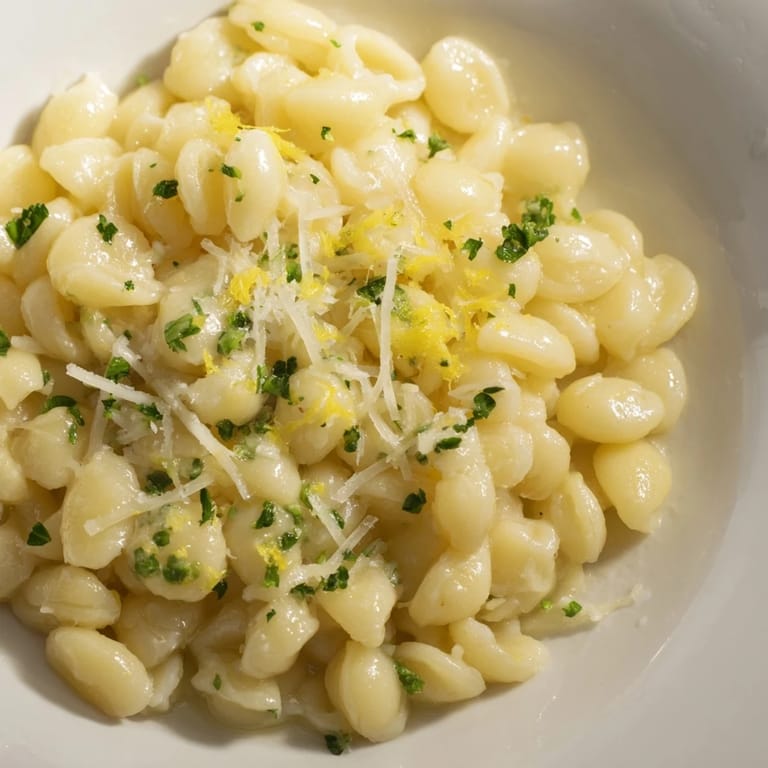
Save Once, a friend who usually orders pasta delivery tasted this and asked if I'd learned to cook professionally overnight. When I told her it took fifteen minutes, she didn't believe me until I made it again while she watched. That moment—when she realized that elegant food doesn't require hours of effort, just attention and good ingredients—felt like sharing something real with her.
Why This Sauce Works So Well
There's a reason Italian cooks have been making butter and garlic sauces for centuries: the combination is just plain magic. The butter becomes the carrier for the garlic's flavor, the cream adds smoothness without heaviness, and the Parmesan brings a sharp, savory note that keeps everything balanced. When you toss in that pasta water, you're creating an emulsion—a silky suspension where the starch from the pasta helps the sauce cling instead of separating. It's simple chemistry that makes you look like you know what you're doing.
Timing and Temperature Matter
This is a dish where every degree counts. If your sauce gets too hot, the cream can separate or the cheese can become grainy and clumpy—neither is a disaster, but both are avoidable. The gentle simmer is your friend; if you see aggressive bubbling, turn it down. And cooking the pasta to al dente isn't just texture preference—it's the difference between a dish that feels fresh and one that feels mushy. The pasta continues to absorb sauce for a minute or two after you add it to the skillet, so aiming for slightly undercooked is your best bet.
Ways to Make It Your Own
The beauty of this sauce is that it's a blank canvas for whatever you have on hand or whatever mood you're in. A crack of red pepper flakes adds heat that wakes everything up, while a splash more cream makes it richer and more indulgent. Some nights I add a tablespoon of mascarpone for extra silkiness, other times I stir in fresh herbs like basil or thyme right at the end. You can also sneak in some sautéed mushrooms, crispy pancetta, or even a handful of spinach—let your instincts guide you.
- Fresh herbs like basil, dill, or chives layered in at the very end give brightness without cooking away.
- A pinch of nutmeg or a small splash of white wine adds complexity and makes people wonder what your secret ingredient is.
- Crispy bread crumbs or fried garlic chips scattered on top add texture and a little something extra that feels thoughtful.
 Save
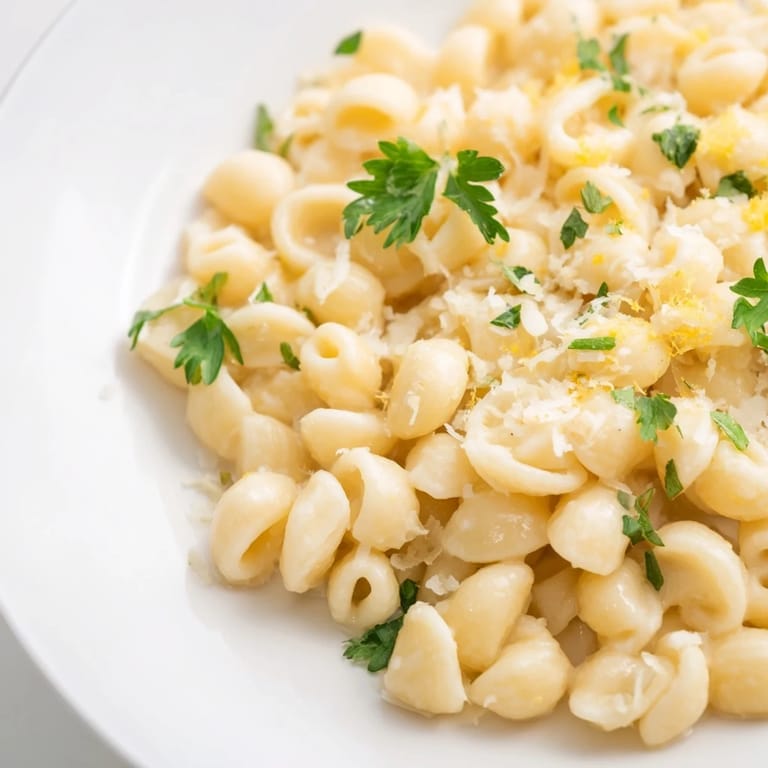
Save This is the kind of dish that reminds you why cooking at home matters. It takes less time than you'd spend waiting for delivery, costs a fraction of what restaurants charge, and tastes like someone who loves you made it. That someone, tonight, is you.
Recipe FAQs
- → How do I cook ditalini pasta perfectly?
Boil salted water and cook ditalini until al dente, about 8 minutes, then drain, reserving some pasta water to adjust sauce consistency.
- → What’s the best way to achieve a silky sauce texture?
Melt butter and sauté garlic gently, then simmer with cream and reserved pasta water to create a smooth, creamy consistency.
- → Can I add extra flavor notes to this dish?
Yes, adding fresh parsley and lemon zest at the end brightens flavors, while red pepper flakes can add a gentle heat.
- → How do I store leftovers properly?
Store in an airtight container in the fridge for up to 2 days. Reheat gently with a splash of milk or cream to restore creaminess.
- → Are there any common allergens in this dish?
This contains wheat (pasta) and dairy (butter, cream, Parmesan). Substitute ingredients as needed for allergies.