 Save
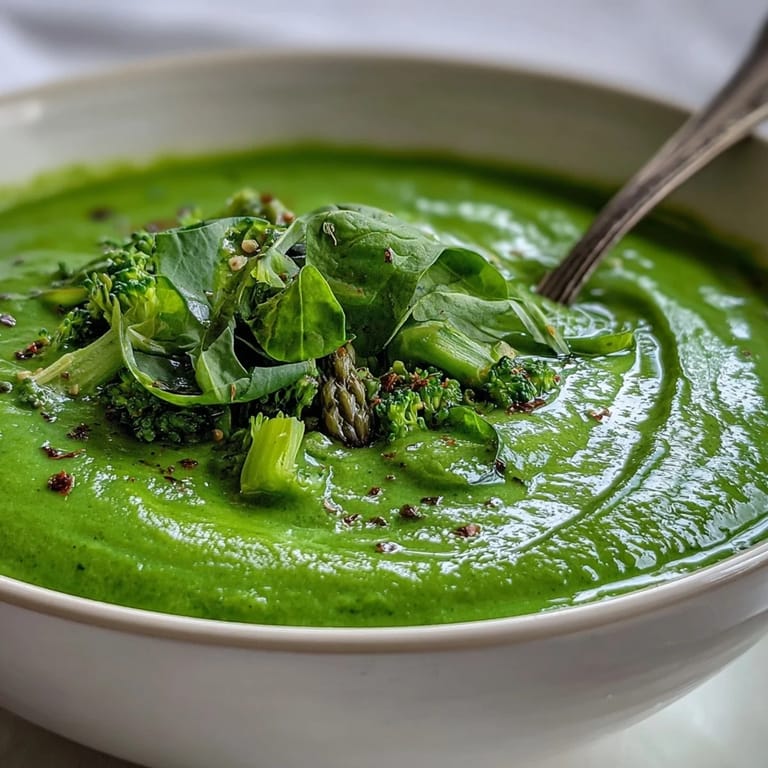
Save There's something almost magical about watching a pot of chopped vegetables transform into something silky and nourishing. I discovered this green soup on a gray afternoon when my immune system felt like it was losing a battle, and instead of reaching for the usual remedies, I decided to let the kitchen do the healing. The cashews were a revelation—they create this natural creaminess without any dairy, and somehow that small detail made the whole experience feel less like medicine and more like comfort.
I made this for a friend who was recovering from being under the weather, and watching her face light up at that first spoonful—like she was tasting something genuinely good instead of something prescribed—that's when I knew this recipe had staying power. She asked for the ingredients list before even finishing the bowl, and now she makes it every time she needs to feel better from the inside out.
Ingredients
- Olive oil: One tablespoon is enough to soften the aromatics without making the soup heavy; I've learned that respecting small amounts of oil actually makes vegetables taste more like themselves.
- Large onion: The base of everything flavorful here, and taking those extra few minutes to let it become truly golden changes the entire depth of the soup.
- Garlic cloves: Two cloves keeps things balanced so the soup feels bright instead of overpowering, which is a trick I picked up after adding too much once.
- Broccoli: About 300 grams of florets work beautifully because they break down into the blender and create natural body without any added cream.
- Asparagus: Around 250 grams trimmed—that grassy, fresh flavor is what makes this soup feel alive and not just like a generic green puree.
- Baby spinach: 150 grams added at the very end so it stays bright and doesn't lose its nutritional punch to overcooking.
- Zucchini: One medium one adds gentle sweetness and helps with the texture, though honestly it's forgiving if yours is slightly larger or smaller.
- Raw cashews: 100 grams soaked in hot water for 20 minutes—this step is not optional if you want that restaurant-quality creaminess; cold cashews just won't blend the same way.
- Low-sodium vegetable broth: One liter lets the vegetables actually taste like vegetables instead of just tasting like salt and seasoning.
- Lemon juice: One tablespoon at the end wakes everything up and prevents the soup from tasting flat or one-dimensional.
- Sea salt: Taste as you go; I've learned that seasoning at the end is always smarter than trying to fix an oversalted pot.
- Ground black pepper: Half a teaspoon gives warmth without aggression.
- Ground nutmeg: Just a quarter teaspoon because this spice is sneaky; I learned that lesson by making a soup taste like pumpkin pie instead of something savory.
- Dried thyme: Optional, but half a teaspoon adds an herbal whisper that makes people ask what's in it.
Tired of Takeout? 🥡
Get 10 meals you can make faster than delivery arrives. Seriously.
One email. No spam. Unsubscribe anytime.
Instructions
- Start with the base:
- Heat your olive oil over medium heat and add the chopped onion, letting it soften for those first 3 to 4 minutes until it becomes almost translucent and the garlic joins in making the kitchen smell like something good is about to happen.
- Build the vegetable layer:
- Add your broccoli, asparagus, zucchini, and all the seasonings at once, stirring everything together so the spices coat the vegetables and cook for 4 to 5 minutes until they start to release their own moisture.
- Bring it all together:
- Pour in your vegetable broth and let it come to a gentle boil, then reduce the heat, cover the pot, and let it simmer for 12 to 15 minutes until the vegetables are completely tender and have given everything they've got to the broth.
- Add the final touches:
- Stir in your spinach and those drained soaked cashews, letting everything sit together for just 2 more minutes until the spinach wilts into the warm liquid.
- Blend for creaminess:
- Carefully transfer the soup in batches to your blender (working in batches prevents accidents and mess), or use an immersion blender right in the pot and blend until the soup is completely smooth and has that luxurious creamy texture you want.
- Finish and taste:
- Stir in your lemon juice, taste the soup carefully, and adjust salt and pepper to your preference because this is your moment to make it perfect for your palate.
- Serve with intention:
- Ladle the soup into bowls while it's still hot, and if you want, top with a few fresh spinach leaves or a tiny drizzle of olive oil for something that feels both simple and special.
 Save
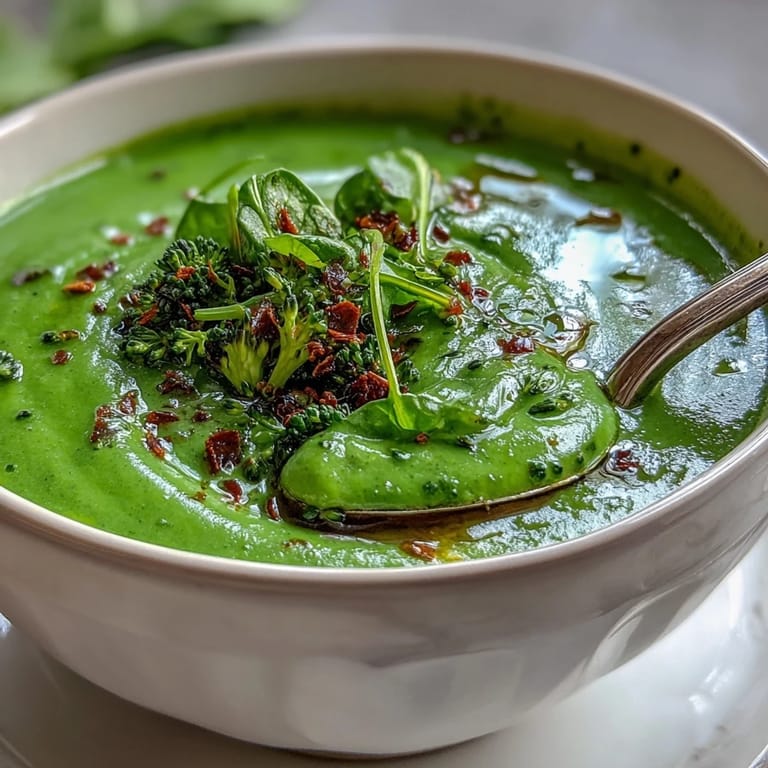
Save There's a quiet satisfaction in eating something this green and knowing your body is getting exactly what it needs to feel strong again. For me, this soup became the thing I make when I want to take care of myself or someone I care about, and that's made all the difference.
Why Cashews Are Your Secret Weapon
Before I understood that soaked cashews could replace cream in soup, I used to think vegan cooking meant sacrificing texture and richness, but this soup proved me wrong. The cashews break down into the blender and create this silky consistency that feels indulgent, and the best part is nobody needs to know there's no dairy involved unless you tell them. I've served this to people who are skeptical about plant-based cooking, and watching them reconsider their assumptions with every spoonful has become one of my favorite kitchen moments.
The Timing That Actually Works
Forty minutes from start to finish sounds impossible until you realize that most of that time is just the soup simmering while you do something else, which means you're actually only working for about 15 minutes total. I usually use that simmering time to set the table or put on music, so the whole experience feels unhurried instead of rushed. The beauty of this timing is that even on a busy weeknight, you can make something that tastes like you spent hours in the kitchen.
Customizing Without Losing the Magic
The genius of this soup is how forgiving it is once you understand the core formula: aromatics, vegetables, broth, cashew cream, then blend. I've added white beans for extra protein when friends were coming over, swapped the asparagus for green beans when that's what I had in the crisper drawer, and even experimented with swapping cashews for sunflower seeds for a friend with a tree nut allergy. The soup stayed vibrant and nourishing every single time, which is why I keep coming back to this base recipe.
- Add cooked white beans or chickpeas if you want the soup to feel more like a main course instead of a starter.
- Sunflower seeds work just as well as cashews if allergies are a concern, though you might need to soak them slightly less time.
- Leftover soup keeps beautifully for three days in the refrigerator and actually tastes richer the next day as flavors continue to develop.
 Save
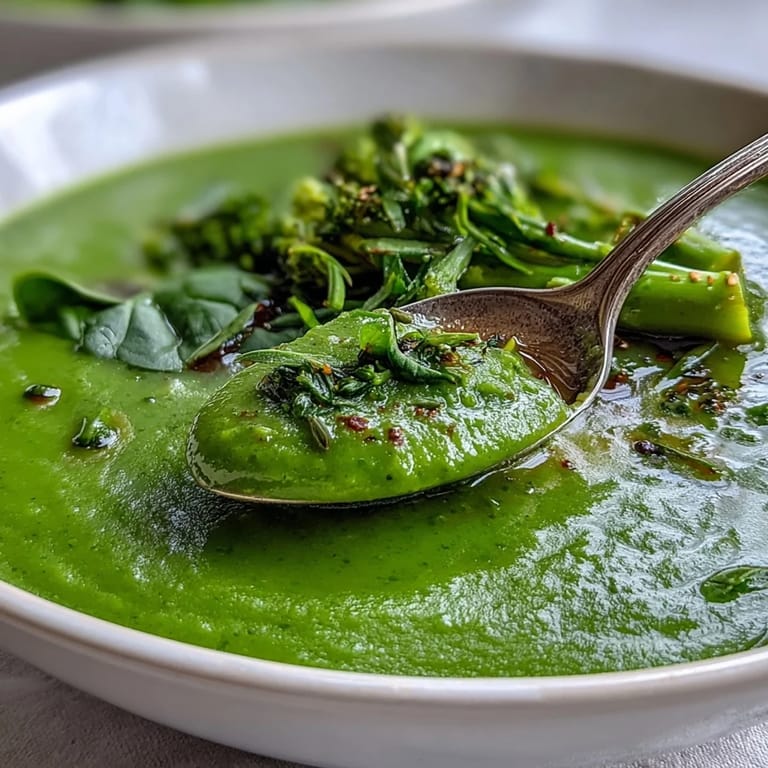
Save This soup reminds me that the most healing meals are often the simplest ones, made with attention and intention. There's something about a bowl of bright green vegetables transformed into something nourishing that makes the world feel a little bit better.
Recipe FAQs
- → Can I make this soup nut-free?
Yes, simply replace the cashews with sunflower seeds. They provide similar creaminess when soaked and blended, making it safe for those with tree nut allergies.
- → How long does this soup keep in the refrigerator?
This soup stores well for up to 5 days in an airtight container. The flavors actually develop and improve after sitting, making it excellent for meal prep.
- → Can I freeze this soup?
Absolutely. Freeze in portion-sized containers for up to 3 months. Thaw overnight in the refrigerator and reheat gently on the stovetop, adding a splash of broth if needed.
- → What can I serve with this soup?
Crusty whole-grain bread is perfect for dipping. A crisp Sauvignon Blanc complements the bright, vegetal flavors. For extra protein, add cooked white beans before blending.
- → Do I really need to soak the cashews?
Yes, soaking for 20 minutes in hot water softens the cashews significantly, ensuring they blend completely smooth. Skipping this step may leave a grainy texture in the finished soup.
- → Can I use frozen vegetables instead of fresh?
Frozen broccoli and asparagus work well in this soup. Add them directly to the pot without thawing, though fresh spinach is recommended for the best color and texture.