 Save
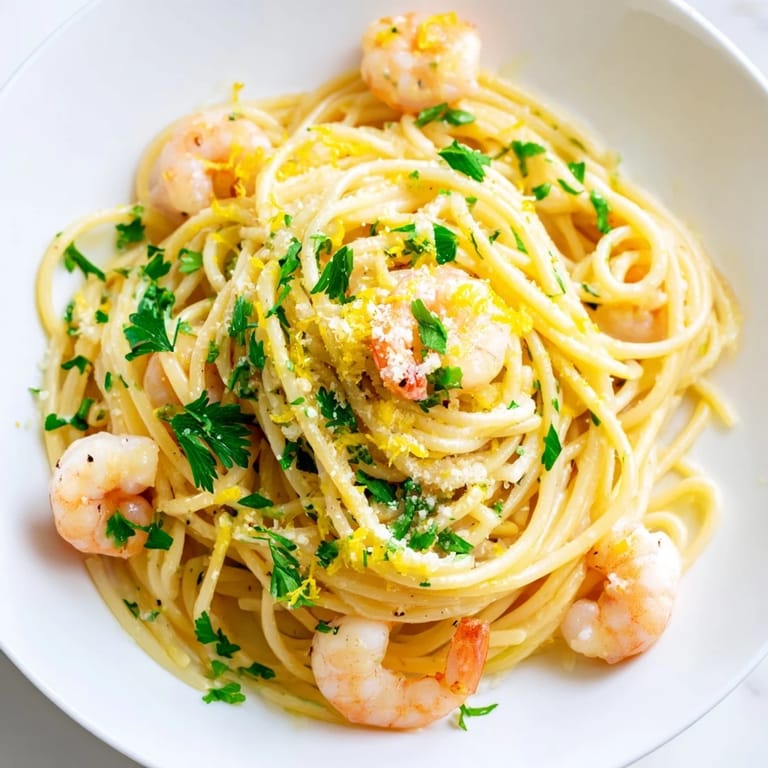
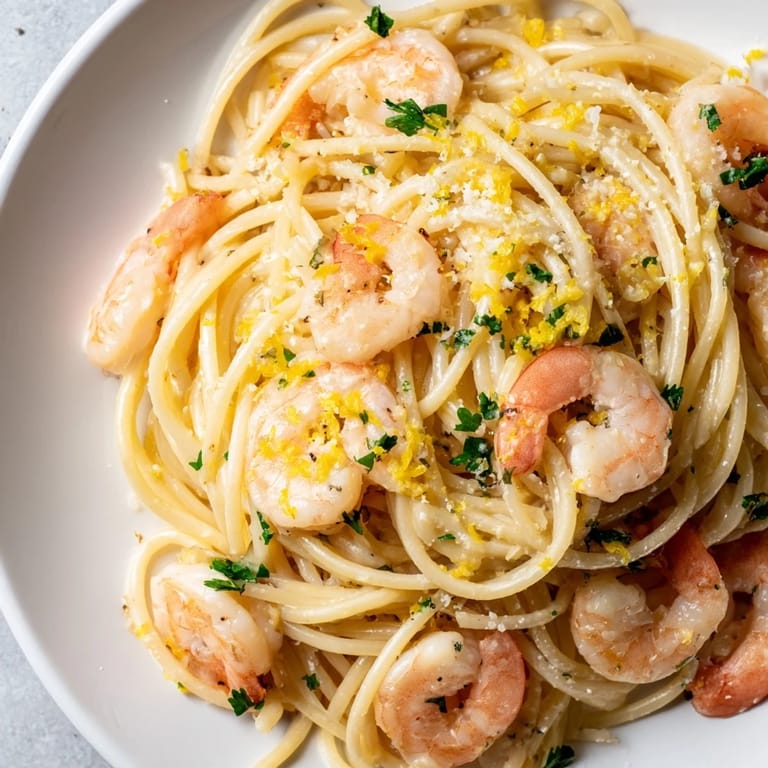
Save My neighbor knocked on my door one Tuesday night holding a bag of shrimp she couldn't use before leaving town. I had exactly twenty minutes before a work call and a box of spaghetti in the pantry. What happened in that skillet became the dish I now make whenever I need something that tastes like I tried harder than I did. The kitchen smelled like a coastal Italian village, and I've been chasing that accidental magic ever since.
I made this for my brother after he spent all day helping me move furniture. He sat at my kitchen counter, exhausted and skeptical of my ability to pull off anything edible that fast. When he went quiet after the first bite, I knew I had something worth keeping. He still texts me every few months asking if I remember that shrimp thing, and I send him this recipe every single time knowing he won't make it himself.
Ingredients
- Large shrimp, peeled and deveined (450 g): The star of the dish, and buying them already cleaned saves you ten minutes of annoying work, which matters on a weeknight.
- Spaghetti (340 g): Long noodles grab the sauce better than short shapes, and the starchy pasta water becomes the secret ingredient that ties everything together.
- Unsalted butter (60 g): This adds richness and a silky texture that olive oil alone can't achieve, and unsalted lets you control the seasoning.
- Extra-virgin olive oil (2 tbsp): It keeps the butter from burning and adds a fruity depth that makes the sauce taste more complex than it is.
- Garlic cloves, minced (4): The backbone of the flavor, and mincing it fine means it melts into the sauce instead of biting back.
- Lemon zest and juice (1 large lemon): The zest brings floral brightness while the juice adds the acidity that makes you want another forkful immediately.
- Dry white wine (60 ml, optional): It deglazes the pan and adds a subtle sweetness, but broth works fine if you don't keep wine around.
- Crushed red pepper flakes (1/4 tsp): Just enough heat to wake up your tongue without making anyone reach for water.
- Salt and black pepper: Season in layers, tasting as you go, because shrimp and pasta water both add saltiness.
- Fresh parsley (2 tbsp): It looks pretty and adds a fresh green note that balances all the butter and garlic.
- Parmesan cheese (optional): Some people say cheese and seafood don't mix, but those people haven't tried a little salty Parmesan on lemony shrimp pasta.
- Lemon wedges: For squeezing over the top at the table, because there's no such thing as too much lemon here.
Tired of Takeout? 🥡
Get 10 meals you can make faster than delivery arrives. Seriously.
One email. No spam. Unsubscribe anytime.
Instructions
- Boil the pasta:
- Bring a large pot of heavily salted water to a rolling boil and cook the spaghetti until it still has a slight bite in the center. Before draining, scoop out half a cup of that cloudy pasta water because it's liquid gold for making the sauce cling.
- Prep the shrimp:
- Pat the shrimp completely dry with paper towels and season them lightly with salt and pepper while the pasta bubbles away. Wet shrimp steam instead of sear, and you want a little golden color on them.
- Sear the shrimp:
- Heat a tablespoon each of olive oil and butter in a large skillet over medium-high heat until shimmering, then lay the shrimp in a single layer and let them cook undisturbed for a minute or two per side until they curl and turn pink. Pull them out onto a plate before they overcook and get rubbery.
- Build the sauce base:
- Lower the heat to medium and add the remaining oil and butter to the same skillet, letting all those shrimp bits on the bottom become part of the flavor. Toss in the garlic and stir constantly for about a minute until it smells nutty and golden but not burned.
- Add the citrus and wine:
- Stir in the lemon zest, juice, white wine if using, and red pepper flakes, letting it all simmer and reduce for a few minutes until it thickens slightly and smells incredible. This is where the sauce gets its personality.
- Reunite the shrimp:
- Return the shrimp and any juices from the plate back into the skillet and toss them around to coat in the lemony butter. They'll finish cooking gently in the residual heat.
- Toss with pasta:
- Add the drained spaghetti directly to the skillet and toss everything together with tongs, adding splashes of reserved pasta water until the sauce looks glossy and coats every strand. The starch in that water emulsifies the butter and makes everything silky.
- Adjust and garnish:
- Taste and add more salt or black pepper if needed, then pull the skillet off the heat and shower everything with chopped parsley and Parmesan if you're using it. Serve it right away with lemon wedges on the side for anyone who wants more zip.
 Save
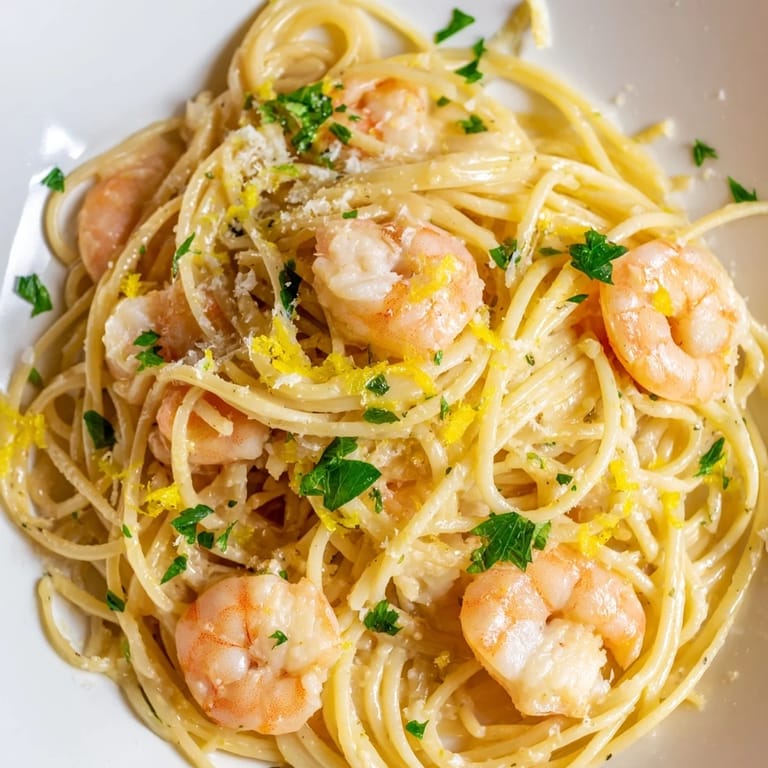
Save The first time I served this at a dinner party, someone asked if I'd trained in Italy. I laughed and told them I learned it from desperation and a ticking clock. But watching everyone twirl their forks and go quiet except for the occasional happy sigh, I realized that sometimes the best recipes are born from having no time to overthink them. It's become my answer to what do I make when I want people to feel taken care of without spending all day in the kitchen.
How to Pick and Prep Your Shrimp
I used to grab whatever shrimp was on sale until I learned that size and freshness actually matter for a dish this simple. Look for shrimp labeled 21 to 25 count per pound, which means they're large enough to stay juicy and have a satisfying bite. If you can only find frozen, that's completely fine since most shrimp are frozen at sea anyway, just thaw them in a bowl of cold water for fifteen minutes and pat them very dry. Leaving the tails on looks fancy, but I take them off now because no one wants to fish shells out of their pasta mid-bite.
Making It Your Own
This recipe is a foundation, not a rulebook, and I've riffed on it a hundred ways depending on what's in the fridge. Toss in halved cherry tomatoes with the garlic and they'll burst into sweet little pockets of juice. Wilt a handful of baby spinach or arugula into the pasta at the end for color and a peppery bite. If you want it creamier, stir in a few spoonfuls of mascarpone or cream cheese right before you add the pasta. I've also made it with linguine, bucatini, and even angel hair, and they all work as long as you adjust the cooking time.
Serving and Storing
This dish is best eaten the moment it comes off the stove when the pasta is still steaming and the butter is glossy. If you do have leftovers, store them in an airtight container in the fridge for up to two days and reheat gently in a skillet with a splash of water or broth to bring the sauce back to life. The shrimp won't be quite as tender after reheating, but it still tastes good enough that I've eaten it cold straight from the container standing at the counter. Pair it with a crisp white wine, a simple arugula salad, and some crusty bread to soak up every drop of that lemony butter.
- Use a large enough skillet so the shrimp aren't crowded, or they'll steam instead of getting a nice sear.
- Taste the pasta water before you drain it, and if it's not as salty as the sea, your pasta will taste flat no matter how much you season later.
- Have everything prepped and within reach before you start cooking because once the shrimp hit the pan, things move fast and you don't want to scramble for ingredients.
 Save
Save Every time I make this, I'm reminded that the best meals don't need to be complicated to feel special. It's become my go-to for nights when I want to feel like I'm treating myself, and it never disappoints.
Recipe FAQs
- → Can I use frozen shrimp?
Yes, frozen shrimp works well. Thaw completely under cold running water and pat dry thoroughly before cooking to ensure they sear properly and don't release excess moisture.
- → What if I don't have white wine?
White wine is optional and adds subtle complexity. Substitute with chicken or vegetable broth, or simply omit it and increase lemon juice slightly for acidity and brightness.
- → How do I prevent rubbery shrimp?
Cook shrimp just until they turn pink and opaque, typically 1–2 minutes per side. Overcooking causes them to toughen. Remove them to a plate immediately after cooking, then return briefly at the end.
- → Can I make this gluten-free?
Absolutely. Simply use certified gluten-free pasta instead of regular spaghetti. Check all packaged ingredients, including white wine, for gluten-containing additives or cross-contamination warnings.
- → What pasta water does for the sauce?
Starchy pasta water emulsifies with the butter and oil to create a silky, cohesive sauce that clings beautifully to the noodles. Add it gradually while tossing to achieve the desired consistency.
- → Can I add vegetables?
Yes. Baby spinach wilts in beautifully at the end, or toss in halved cherry tomatoes for color and freshness. Sautéed mushrooms or zucchini work wonderfully too without extending cook time significantly.