 Save
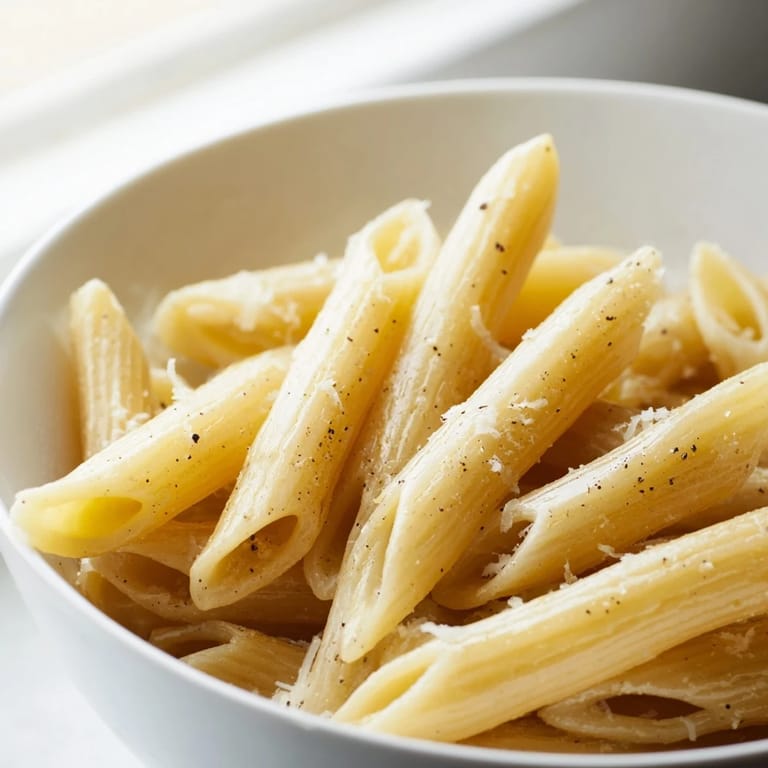
Save There was this Tuesday when my roommate's kitchen flooded and we both stood there staring at the wreckage, pasta craving very much alive. I remembered reading somewhere that you could cook pasta in a microwave bowl, and honestly, I thought it was one of those internet myths. But with no stovetop access and hunger winning, I grabbed a bowl, some dried penne, and water. Ten minutes later, I was eating hot pasta while laughing about how the universe works sometimes.
My colleague brought this up during lunch one day, and I made it right there in the office break room while everyone watched skeptically. When I pulled that steaming bowl out and twirled the fork, their faces changed completely, and suddenly half the department wanted the recipe. It became our little secret weapon for those chaotic days when nobody had time to cook properly.
Ingredients
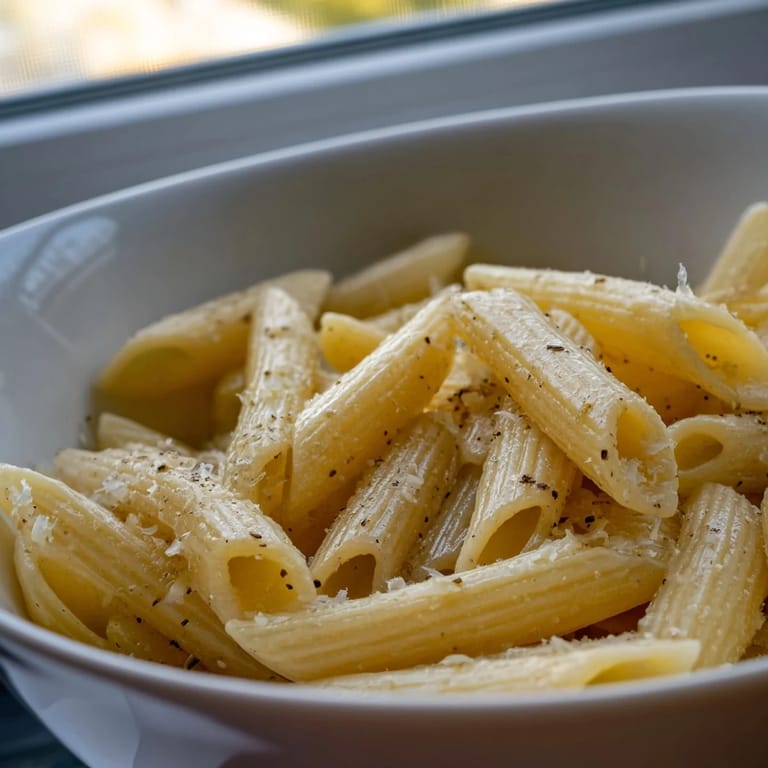
- Dried pasta (85 g or 3 oz): Penne, fusilli, or elbow macaroni work best because their shapes trap water and cook evenly—avoid long thin pasta like spaghetti unless you're comfortable breaking it.
- Water (375 ml or 1½ cups): This ratio matters more than you'd think; too little and your pasta turns into a brick, too much and it boils over onto your microwave floor.
- Salt (¼ teaspoon): Don't skip this—the salt seasons the pasta as it absorbs the water, not just as an afterthought.
- Olive oil or butter (1 teaspoon, optional): A small amount makes the pasta silky and prevents it from clumping together when it sits for even a minute.
- Parmesan cheese (2 tbsp, optional): Freshly grated tastes infinitely better than the pre-grated stuff, which has fillers that won't melt the same way.
- Freshly ground black pepper, to taste: This adds dimension that plain salt never could, so don't reach for the pre-ground if you have a grinder.
- Marinara sauce or pesto (2 tbsp, optional): A little sauce transforms this from plain pasta into something that feels intentional and satisfying.
Tired of Takeout? 🥡
Get 10 meals you can make faster than delivery arrives. Seriously.
One email. No spam. Unsubscribe anytime.
Instructions
- Set up your bowl:
- Grab a large microwave-safe bowl—ceramic or glass, nothing too small—and dump in your dried pasta. The pasta should sit loosely, taking up less than half the bowl's height, which gives the water room to bubble and move without escaping.
- Add your liquids:
- Pour in the water and sprinkle the salt over top, then give everything a good stir so the pasta starts to separate and the salt dissolves slightly. This only takes a moment but it matters.
- First microwave burst:
- Stick the bowl in uncovered and microwave on high for 4 minutes—you'll hear it bubbling and see steam, which is exactly what you want. The pasta will start to soften and the water will reduce noticeably.
- Check and stir:
- Pull it out carefully (it's hot), give the pasta a good stir from bottom to top to break up any stuck bits, and check the texture. If it's still crunchy, you've got more work to do.
- Cook in 2-minute increments:
- Microwave for 2 more minutes, stir again, and repeat this rhythm until the pasta is tender with a slight bite and the water has mostly disappeared—usually this takes 2 to 3 more rounds depending on your microwave's power. You're looking for al dente, not mushy.
- Drain if necessary:
- If there's still water sitting in the bottom, carefully pour it off or use a spoon to scoop it out. Some water absorption varies, so don't panic if you need to adjust.
- Finish and serve:
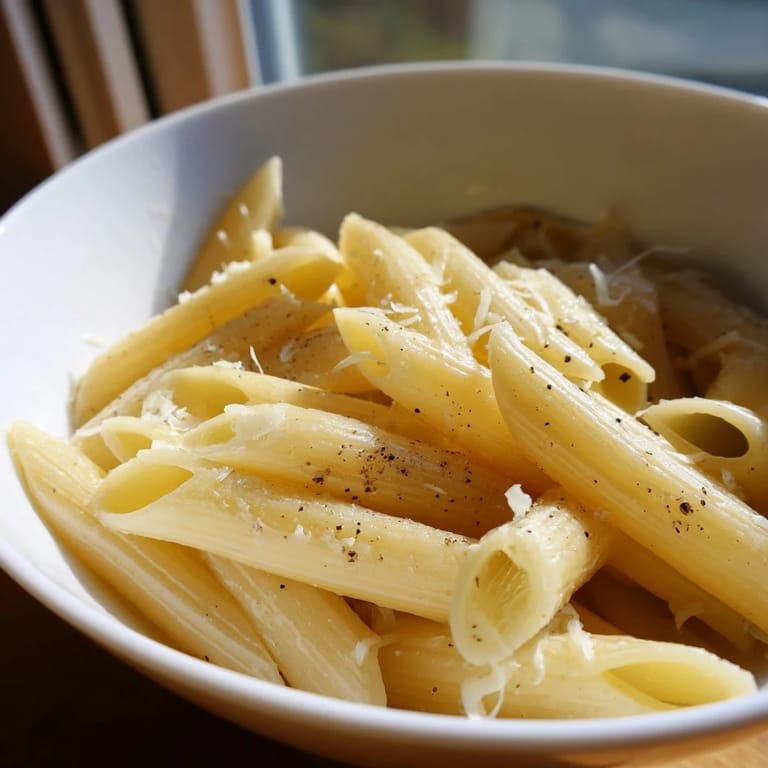
- Stir in your olive oil or butter, cheese, pepper, and sauce if you're using it, tossing everything together so the warm pasta picks up all those flavors. Eat it immediately while it's still hot and the cheese is melty.
 Save
Save My friend's kid made this for the first time when she was learning to be independent in the kitchen, and watching her proudly plate it up, eating it while doing her homework—that's when I realized this wasn't just about convenience. It was about access, about making cooking feel achievable for anyone, anywhere.
Why This Works When You're Stuck
The microwave method actually cooks pasta by steaming more than boiling, which means the starch stays in the bowl instead of washing away into water you drain. This makes the pasta absorb more flavor and feel more cohesive, almost creamy without any cream involved. It's physics working in your favor, and once you understand that, you stop thinking of this as a hack and start thinking of it as a technique.
Building On This Method
After the basic bowl pasta clicked for me, I started experimenting with frozen vegetables mixed in after the first 4 minutes, or cooked chicken stirred in at the end. The beauty is that this foundation is so solid you can build almost anything on top of it without needing a whole different cooking process. I've even made lasagna-style pasta this way by layering in sauce and ricotta between the cooking stages, which sounds wild but absolutely works.
Small Tweaks That Make a Real Difference
The difference between mediocre microwave pasta and genuinely good microwave pasta comes down to details so small they barely sound worth mentioning. Stirring after each microwave burst breaks up pasta that's stuck together, the salt matters because unsalted pasta tastes flat no matter what else you add, and a small amount of fat makes everything feel luxurious and intentional. These small gestures are what transform something quick into something you actually want to eat, not just something you tolerate because you're hungry and in a rush.
- Use a wooden spoon instead of metal—it won't get crazy hot and won't scratch your bowl.
- If you're adding frozen vegetables, toss them in after the second stir so they cook through without turning mushy.
- Taste the pasta before you declare it done; better to microwave 1 more minute than to end up with crunchy pasta that you can't fix.
 Save
Save This bowl of pasta sits somewhere between desperate convenience and actually caring about what you eat, which is exactly why I keep coming back to it. It's proof that sometimes the quickest way and the right way don't have to be different things.
Recipe FAQs
- → Can I use any type of pasta for microwave cooking?
Yes, most pasta shapes work well in the microwave. Penne, fusilli, elbow macaroni, and shells are ideal choices. Thicker pasta may require slightly longer cooking times, so check doneness frequently.
- → How do I prevent water from boiling over?
Use a large bowl that can hold the pasta in less than half its volume. This gives the water plenty of space to bubble without spilling. Leave the bowl uncovered during cooking.
- → What's the best way to achieve al dente texture?
Stir the pasta every 2 minutes after the initial 4-minute burst. Check firmness starting at 8 minutes total. Most pasta reaches al dente between 8-10 minutes depending on thickness and microwave wattage.
- → Can I add ingredients directly to the bowl?
Yes, you can add olive oil, herbs, and seasonings after cooking is complete. For ingredients like vegetables or proteins, pre-cook them separately or add them in the final minutes to prevent overcooking.
- → Is this method suitable for gluten-free pasta?
Absolutely. Use the same microwave method with gluten-free pasta, but monitor cooking time closely as it may vary. Start checking doneness at 7 minutes and adjust as needed.
- → How much water should I use?
For 85g of pasta, use 375ml (1½ cups) of water. This ratio provides enough liquid for the pasta to cook while absorbing most of the water, reducing the need for draining.