 Save
Save My kitchen timer buzzed while I was elbow deep in laundry, and I panicked thinking I'd dried out another batch of chicken. But when I sliced into those breasts, juice pooled on the cutting board and I actually laughed out loud. Turns out pounding them to an even thickness wasn't just fussy recipe talk, it was the secret I'd been missing for years. Now this simple baked chicken shows up on my table at least twice a week, and I don't even need to look at measurements anymore.
I started making this when my neighbor asked for meal prep ideas that wouldn't bore her to tears by Thursday. She texted me three days later with a photo of her lunch box and said her coworkers kept asking what smelled so good. That's when I realized this wasn't just easy chicken, it was the kind that makes you look forward to leftovers.
Ingredients
- Boneless, skinless chicken breasts: Look for pieces that are similar in size so they cook evenly, and don't skip the pounding step or you'll end up with dry edges and raw centers.
- Olive oil: This helps the seasonings stick and keeps the surface from drying out in the oven's heat.
- Garlic powder: I used to think fresh garlic was always better, but powder distributes more evenly and won't burn during baking.
- Onion powder: It adds a subtle sweetness that balances the savory notes without overpowering the chicken.
- Paprika: Smoked paprika gives a hint of campfire while sweet paprika keeps things mild, so pick based on your mood.
- Dried oregano or Italian seasoning: This brings an herby brightness that makes the chicken taste intentional, not plain.
- Salt and black pepper: Season more generously than you think, chicken needs assertive flavoring to really shine.
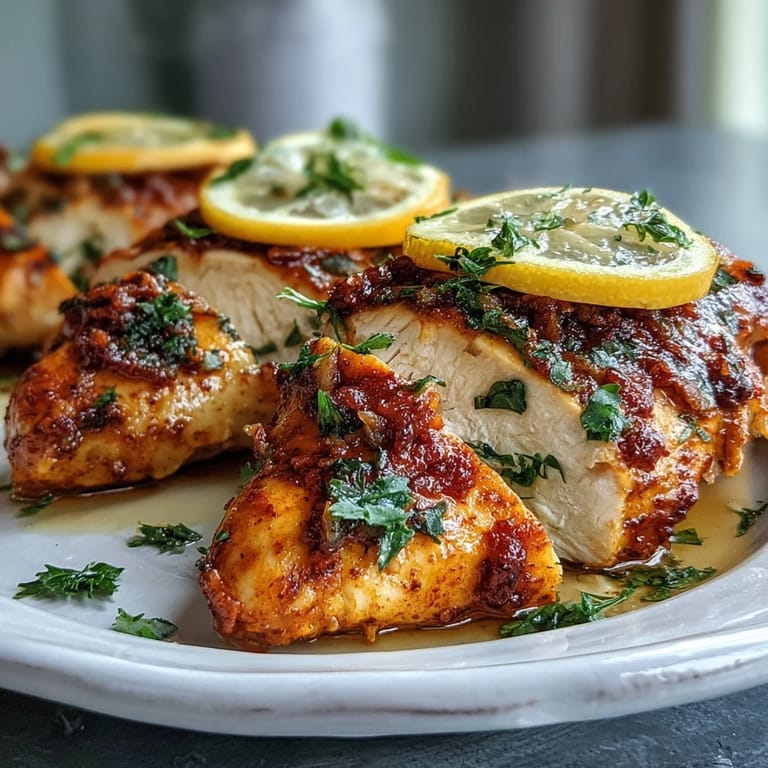
- Lemon slices and fresh parsley: Optional but they make the dish look alive and add a pop of freshness when you're plating.
Tired of Takeout? 🥡
Get 10 meals you can make faster than delivery arrives. Seriously.
One email. No spam. Unsubscribe anytime.
Instructions
- Prep the oven and pan:
- Set your oven to 400°F and line a baking sheet with parchment paper so cleanup is just a matter of tossing the paper. If you skip this step, you'll be scrubbing stuck on bits later.
- Dry and pound the chicken:
- Pat each breast completely dry with paper towels, then place between parchment and gently pound to an even three quarter inch thickness. This is the move that changed everything for me, it ensures the thin and thick parts finish cooking at the same time.
- Mix your seasoning blend:
- Combine olive oil, garlic powder, onion powder, paprika, oregano, salt, and pepper in a small bowl until it looks like a fragrant paste. The oil helps it cling to every curve of the chicken.
- Coat the chicken:
- Rub the seasoning mixture all over both sides of each breast, pressing it in gently so it adheres. If you're using the optional marinade, let the chicken soak for 30 minutes to 2 hours, then pat dry before applying the rub.
- Arrange and bake:
- Lay the chicken in a single layer on your prepared sheet, leaving space between each piece so hot air can circulate. Bake for 18 to 22 minutes, checking with a thermometer until it hits 165°F at the thickest part.
- Rest and serve:
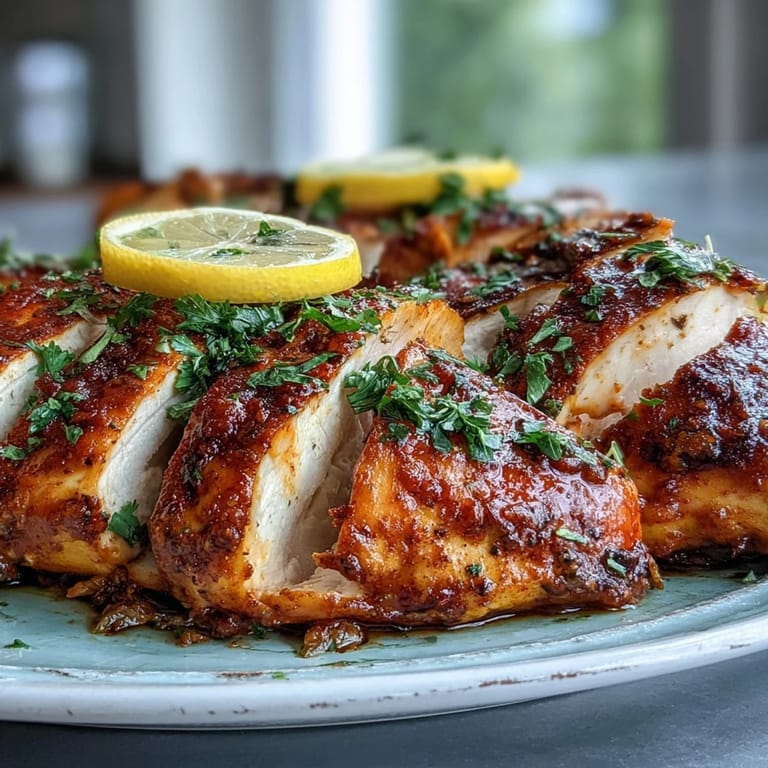
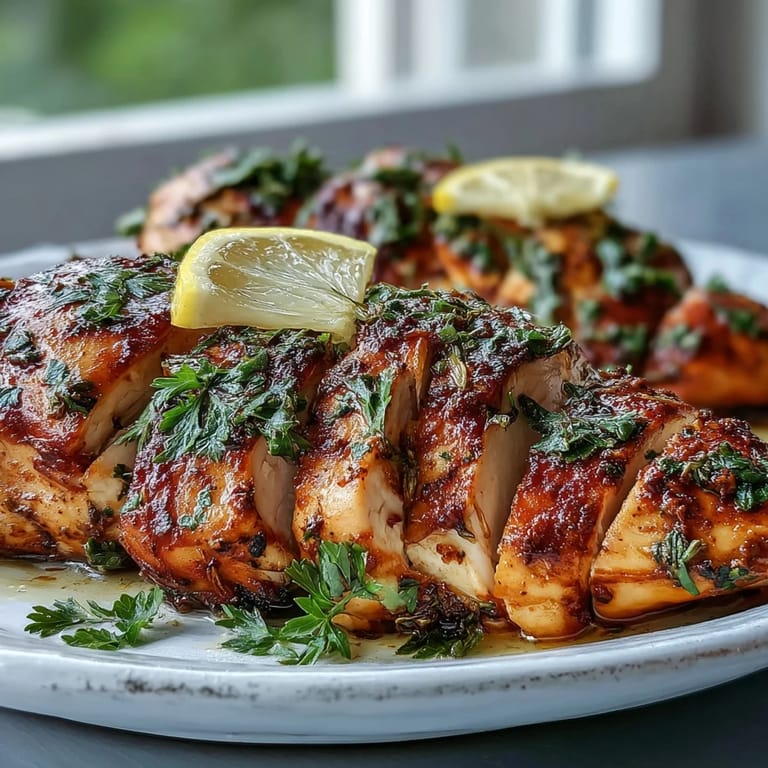
- Pull the pan from the oven and let the chicken rest for 5 minutes so the juices redistribute instead of running all over your cutting board. Garnish with lemon and parsley if you want it to look as good as it tastes.
 Save
Save The first time I made this for a dinner party, I plated it with roasted vegetables and my friend's kid, who claimed to hate chicken, asked for seconds. His mom shot me a look that said thank you and also what did you do to this, and I just smiled because sometimes the simplest things are the most magic.
Storage and Meal Prep
I slice the cooled chicken and divide it into glass containers with whatever vegetables I've roasted that week. It stays juicy in the fridge for up to four days, and I've tossed it into salads, grain bowls, and sandwiches without it ever tasting like sad leftovers. If you're planning to freeze it, wrap each piece tightly in plastic wrap and then foil, and it'll keep for up to three months.
Customizing Your Seasoning
Once you've nailed the basic version, this becomes a blank canvas for whatever flavor mood strikes. I've added cumin and chili powder for a Southwestern vibe, swapped in thyme and rosemary for a French feel, and even gone wild with curry powder when I wanted something unexpected. The method stays the same, so you can experiment without fear.
Serving Suggestions
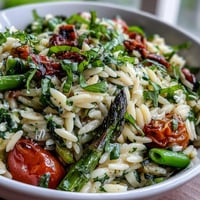
This chicken plays well with just about anything you put next to it. I've served it over lemony orzo, alongside garlic roasted broccoli, and sliced thin over Caesar salad. It's also perfect for sandwiches the next day, especially if you have good bread and some peppery arugula.
- Pair it with roasted sweet potatoes and green beans for a complete plate.
- Slice it and tuck it into pita pockets with tzatziki and cucumbers.
- Dice it and toss with pasta, cherry tomatoes, and a drizzle of balsamic.
 Save
Save This recipe taught me that perfect chicken isn't about complicated sauces or long ingredient lists, it's about respecting a few simple steps. Keep this one in your back pocket and you'll never feel stuck at dinnertime again.
Recipe FAQs
- → How do I know when the chicken is done?
Insert an instant-read thermometer into the thickest part of the breast. It should read 165°F (74°C) for safe consumption. The juices should run clear, not pink.
- → Why do my chicken breasts turn out dry?
Overcooking is the main culprit. Using a thermometer prevents this. Also, pounding to even thickness helps all sections finish cooking simultaneously, preventing some parts from drying out while others cook through.
- → Can I use frozen chicken breasts?
Yes, but thaw completely first. Cook frozen breasts 50% longer, and always verify with a thermometer. Thawed chicken yields better texture and more even seasoning absorption.
- → What temperature is best for baking chicken?
400°F (200°C) strikes the ideal balance—hot enough to create a nicely browned exterior while cooking the interior gently enough to remain moist. Lower temperatures require longer cooking and may dry out the meat.
- → Should I cover the chicken while baking?
No, bake uncovered. Covering creates steam and prevents the exterior from developing desirable browning and flavor. The high heat method ensures juicy results without covering.
- → How long can I store cooked chicken?
Keep cooled portions in airtight containers for up to 4 days. For longer storage, freeze for 2-3 months. Thaw overnight in the refrigerator before reheating gently.