 Save
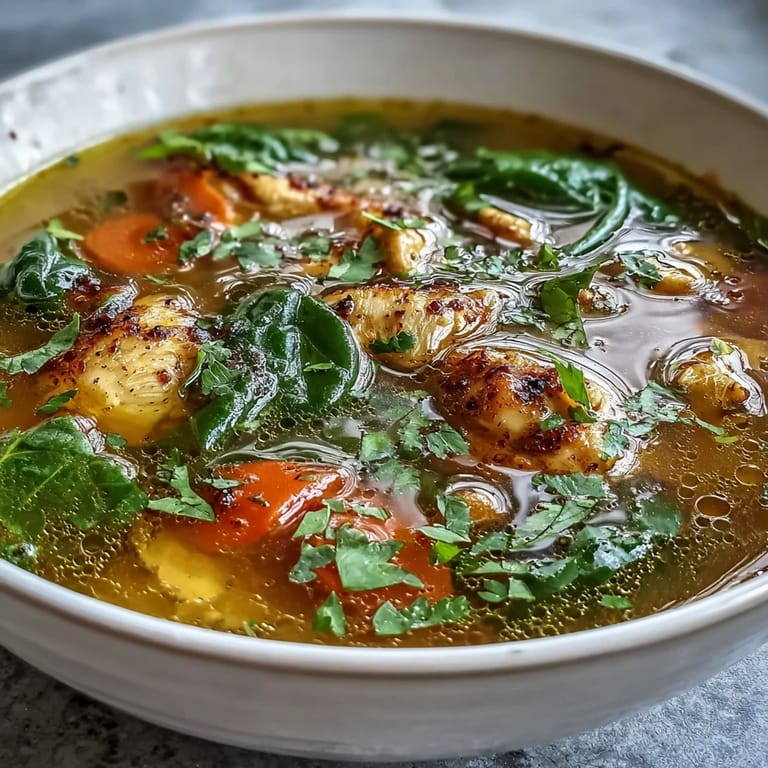
Save My neighbor swore by turmeric for everything—joint pain, a bad mood, even a scratchy throat. One rainy afternoon, she brought over a pot of this golden soup, and I watched the steam curl up from the bowl while she explained how the warmth and spices work together. That first spoonful tasted like comfort wrapped in something ancient and healing, and I realized I'd been missing out on one of the simplest ways to feel better from the inside.
I made this last winter when my partner came home with a cold, refusing to admit it was anything serious. By the second bowl, they were quiet and thoughtful instead of defensive, and I realized how food sometimes does what words can't. The house smelled incredible too, like a spice market had quietly moved into our kitchen.
Ingredients
- Chicken thighs or breasts (500 g): Thighs hold up better and stay moist through simmering, though breasts work if you prefer leaner protein—just watch them closely so they don't dry out.
- Onion, carrots, celery (1 medium, 2 medium, 2 stalks): This trio is the flavor foundation; don't rush chopping them fine because they dissolve into the broth and create the base layer of taste.
- Garlic and ginger (3 cloves, 2.5 cm piece): These two are non-negotiable—fresh ginger especially makes the difference between a decent soup and one that actually feels medicinal.
- Chicken broth (1.5 liters): Low-sodium broth lets you control the saltiness and taste the spices clearly instead of fighting salt.
- Ground turmeric (1½ tsp): The star ingredient; buy it fresh from a good spice shop if possible because old turmeric tastes dusty and flat.
- Cumin, black pepper, sea salt (½ tsp each, ½ tsp): These warm the turmeric and keep it from tasting one-dimensional—cumin especially adds an earthy depth.
- Spinach or kale (150 g): Add it at the end so it stays bright and doesn't turn to mush; kale holds up longer if you prefer texture.
- Lemon juice (1 lemon): The final squeeze brings everything alive and prevents the soup from tasting heavy.
- Olive oil (1 tbsp) and fresh herbs (2 tbsp parsley or cilantro): Oil carries the flavors, and fresh herbs scattered on top remind you that this is alive and nourishing.
Tired of Takeout? 🥡
Get 10 meals you can make faster than delivery arrives. Seriously.
One email. No spam. Unsubscribe anytime.
Instructions
- Heat your oil and sauté the base vegetables:
- Pour olive oil into a large pot and let it shimmer over medium heat. Add the chopped onion, carrots, and celery, and listen for that gentle sizzle—it means your vegetables are beginning to soften and release their sweetness. After about 5 minutes, they should be tender enough to break easily with a spoon.
- Awaken the aromatics:
- Add minced garlic and grated ginger to the pot and stir constantly for just 1 minute. Your kitchen will fill with a fragrance that makes you pause and breathe it in—that's when you know they're releasing their oils and flavor.
- Toast the spices:
- Sprinkle in the turmeric, cumin, black pepper, and salt, and stir for about 30 seconds. This short cooking time matters because it mellows the spices and makes them taste roasted rather than raw—you'll smell the difference immediately.
- Sear the chicken:
- Add your chicken pieces and cook for 2 to 3 minutes, stirring occasionally, until the outsides turn opaque. Don't worry about cooking it all the way through now; it will finish gently in the broth.
- Build the broth and simmer:
- Pour in the chicken broth and bring everything to a boil over high heat. Once it reaches a rolling boil, reduce the heat to low and cover the pot loosely. Let it simmer for 20 minutes so the chicken becomes tender and the flavors meld into something harmonious.
- Finish with greens:
- Stir in your spinach or kale and simmer for 5 more minutes until it wilts completely. Taste a piece of chicken—it should be so tender it falls apart on your tongue, and the broth should taste rich and warming.
- Brighten with lemon and adjust:
- Squeeze in the lemon juice and give the soup a stir. Taste it and adjust salt or pepper if needed; the lemon brings all the flavors into focus and prevents the soup from tasting flat.
- Serve with care:
- Ladle the soup into warm bowls and top with a generous handful of fresh parsley or cilantro. The green herbs catch the light and make the golden soup look even more inviting.
 Save
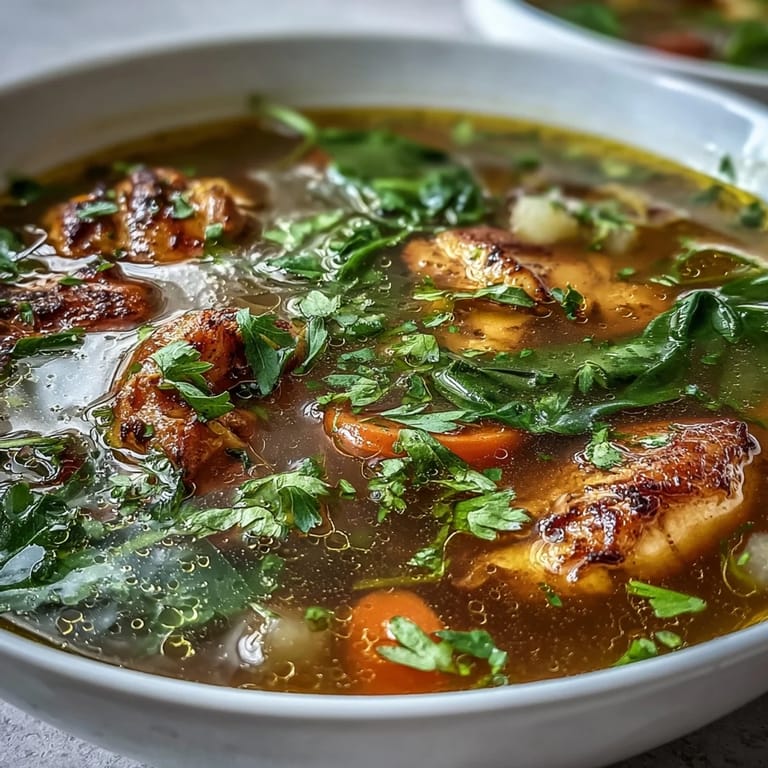
Save My daughter took a bowl to school in a thermos the next day and texted me a photo of her friends gathered around, asking what the golden soup was. That moment made me understand that food has a way of reaching people without explanation—it just says, 'Someone cared enough to make this for you.' She's asked me to make it every time she's felt under the weather since.
Why This Soup Heals
Turmeric contains curcumin, a compound that's been used for thousands of years in traditional medicine, and modern research keeps confirming what ancient cooks already knew. When you combine it with ginger and black pepper, something almost magical happens—the black pepper helps your body absorb the turmeric's benefits, and the ginger adds its own anti-inflammatory power. This isn't a soup that just tastes good; it's one that your body recognizes as genuinely helpful.
Making It Your Own
Once you've made this soup a few times, you'll notice where it invites your own touch. Some people add a cinnamon stick or star anise during simmering for warmth, others stir in cooked rice or quinoa for heartiness. The beauty is that the turmeric and ginger are strong enough to shine no matter what you add, so don't hesitate to experiment based on what's in your kitchen or what your body is asking for that day.
Adaptations and Variations
I've made vegetarian versions by swapping chickpeas for chicken and using vegetable broth, and honestly, they're equally comforting—the spices don't miss the meat. You can also freeze portions of this soup in containers and reheat it on nights when you're tired; it tastes even better the next day as the flavors deepen. Serve it with warm bread to soak up every last drop, or with a bright side salad if you want something lighter.
- For extra richness, stir in a splash of coconut milk in the last minute of cooking.
- Store leftovers in the refrigerator for up to 4 days, or freeze for up to 2 months.
- If the soup tastes too mild after a day or two, turmeric's flavor can fade—taste and add a pinch more along with a squeeze of fresh lemon juice.
 Save
Save This soup has become my answer to a lot of moments—when someone's feeling poorly, when we need something nourishing but simple, when the world feels chaotic and I need to do something with my hands that feels purposeful. Make it, share it, and watch how a bowl of golden soup can quietly restore someone's faith that they're going to be okay.
Recipe FAQs
- → Can I make this soup ahead of time?
Absolutely. This soup actually develops deeper flavors when made ahead. Store in the refrigerator for up to 4 days or freeze for 3 months. Add fresh spinach and lemon juice when reheating.
- → What makes this soup golden?
Ground turmeric gives this soup its signature golden hue and provides anti-inflammatory benefits. The spice blooms in hot oil during cooking, releasing both color and therapeutic compounds into the broth.
- → Is this soup spicy?
The base version is mild and aromatic rather than spicy. Red pepper flakes are optional for those seeking warmth. Black pepper enhances turmeric absorption without adding significant heat.
- → Can I use a whole chicken instead of pieces?
Yes, use bone-in pieces for richer broth. Simmer for 30-40 minutes until chicken falls off the bone, then remove meat, shred it, and return to the pot. Discard bones before serving.
- → What sides complement this soup?
Crusty bread absorbs the flavorful broth beautifully. A simple green salad with citrus vinaigrette balances the warming spices. Basmati rice or naan bread also pair well for a complete meal.
- → How do I store leftovers?
Cool completely and refrigerate in airtight containers within 2 hours. The soup thickens as it sits—thin with additional broth when reheating. Consume within 4 days for best quality.