 Save
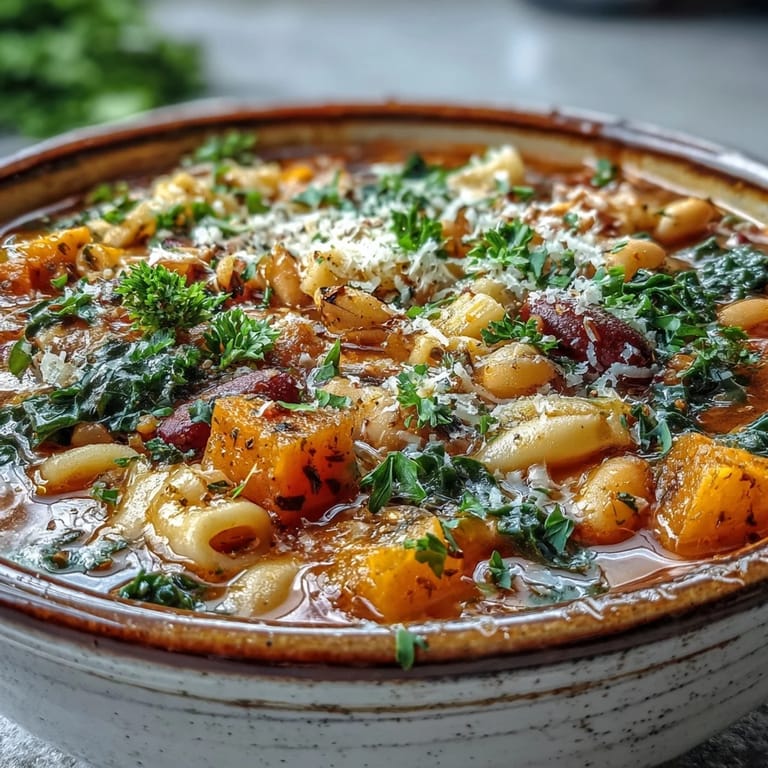
Save My kitchen window was fogged up from the steam, and I could barely see the snow starting to fall outside. I had a pile of vegetables on the counter and a vague memory of my neighbors Italian grandmother stirring something fragrant in a pot years ago. That afternoon, I decided to make minestrone without a recipe, just instinct and whatever winter vegetables I had. The butternut squash was a gamble, but it turned the soup sweet and silky in a way I never expected.
I made this soup for a small dinner party during a blizzard, and nobody left until midnight. We kept refilling our bowls, tearing apart a loaf of bread, and pretending we werent snowed in. One friend said it reminded her of a trip to Florence, another just asked for the recipe three times. I realized then that some dishes dont need to be fancy to make people feel taken care of.
Ingredients
- Olive oil: Use a good quality oil because it forms the base flavor of the soup, and youll taste it in every bite.
- Yellow onion: Dice it small so it melts into the broth and adds sweetness without chunks getting in the way.
- Carrots: Peel them well and cut them into even pieces so they cook at the same rate as the celery.
- Celery stalks: Dont skip these, they add a subtle earthiness that makes the soup taste deeply savory.
- Garlic cloves: Mince them finely and add them after the other vegetables so they dont burn and turn bitter.
- Butternut squash: This is the star, it breaks down slightly as it simmers and thickens the broth naturally.
- Zucchini: It cooks quickly, so dice it into larger pieces than the squash to keep some texture.
- Kale: Remove the tough stems completely or theyll stay chewy no matter how long you cook them.
- Diced tomatoes: Use the kind with juices included, it adds acidity and body to the broth.
- Cannellini beans: Rinse them well to get rid of the starchy canning liquid that can make the soup cloudy.
- Small pasta: Ditalini or elbow macaroni are perfect because they fit on a spoon with all the other ingredients.
- Vegetable broth: Homemade is lovely, but a good quality store bought broth works beautifully here.
- Water: It thins the broth just enough without diluting the flavor too much.
- Dried oregano: It brings that classic Italian warmth, but dont use too much or it overpowers everything.
- Dried thyme: This adds a subtle floral note that makes the soup smell like someones been cooking all day.
- Dried rosemary: Crush it between your fingers before adding so it releases more fragrance.
- Crushed red pepper flakes: Optional, but a pinch adds just enough heat to wake up your taste buds.
- Salt and black pepper: Taste as you go, the soup needs more seasoning than you think because of all the vegetables.
- Fresh parsley: Stir it in at the end for a burst of color and freshness.
- Parmesan cheese: Grate it fresh, the pre shredded stuff doesnt melt or taste the same.
Tired of Takeout? 🥡
Get 10 meals you can make faster than delivery arrives. Seriously.
One email. No spam. Unsubscribe anytime.
Instructions
- Start with the aromatics:
- Heat the olive oil in a large pot over medium heat until it shimmers, then add the onion, carrots, and celery. Let them sizzle and soften for about five or six minutes, stirring occasionally so nothing sticks to the bottom.
- Add the garlic:
- Stir in the minced garlic and cook for just one minute until it smells incredible and fills your kitchen. Dont let it brown or itll taste harsh.
- Cook the squash and zucchini:
- Toss in the butternut squash and zucchini, stirring them around for four or five minutes. Youre not trying to cook them through, just give them a head start.
- Build the broth:
- Pour in the diced tomatoes with their juices, the vegetable broth, and the water. Turn up the heat and bring everything to a rolling boil.
- Season and simmer:
- Stir in the oregano, thyme, rosemary, and red pepper flakes if youre using them. Lower the heat to a gentle simmer and let it bubble away uncovered for fifteen minutes so the flavors can marry.
- Add beans and pasta:
- Stir in the cannellini beans and pasta, then simmer for another eight to ten minutes. Keep an eye on it and stir occasionally so the pasta doesnt clump together.
- Wilt the kale:
- Add the chopped kale and cook for two to three minutes until it softens and turns bright green. Taste the soup and adjust the salt and pepper until it tastes just right.
- Finish and serve:
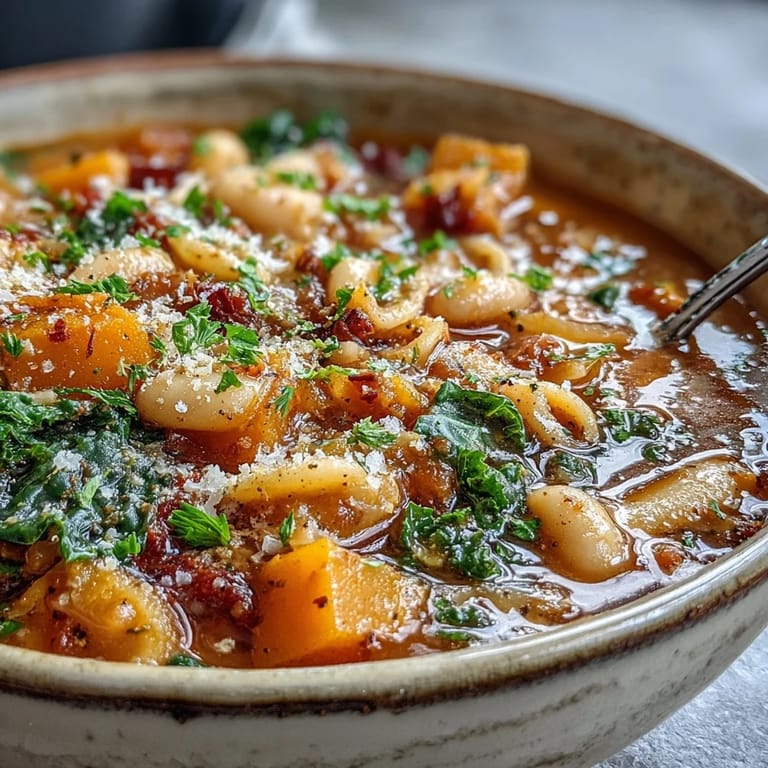
- Take the pot off the heat and stir in the fresh parsley. Ladle the soup into bowls and top each one with a generous sprinkle of grated Parmesan if you like.
 Save
Save  Save
Save I brought a thermos of this soup to my sister when she had the flu, and she told me later it was the first thing that tasted good in days. She said the butternut squash reminded her of something our mom used to make, even though I dont think our mom ever made minestrone. Sometimes food creates memories that didnt exist before, and I think thats the best kind of magic.
Making It Your Own
This soup is endlessly flexible, and Ive made it dozens of ways depending on whats in the fridge. Swap the cannellini beans for chickpeas or kidney beans, and itll taste completely different but still wonderful. If you dont have butternut squash, try sweet potato or even a couple of diced russet potatoes. I once added a handful of spinach instead of kale because thats all I had, and nobody noticed the difference.
Storing and Reheating
Minestrone keeps beautifully in the fridge for up to four days, and it actually tastes better after the flavors have had a night to settle. The pasta will soak up some of the broth, so add a splash of water or extra vegetable broth when you reheat it on the stove. I dont recommend freezing it with the pasta already in there, but you can freeze the base and cook fresh pasta when youre ready to eat.
Serving Suggestions
I love serving this soup with a crusty baguette or focaccia, something with enough chew to soak up the broth. A simple side salad with lemon vinaigrette keeps things light, or you can go all in and serve it with garlic bread. If youre feeling fancy, pour a glass of Pinot Grigio or Vermentino, the crispness cuts through the richness of the soup perfectly.
- Serve with thick slices of toasted sourdough rubbed with a garlic clove.
- Add a drizzle of good olive oil and extra Parmesan on top for a restaurant style finish.
- Pair with a winter salad of arugula, shaved fennel, and orange segments.
 Save
Save  Save
Save This soup has become my answer to cold weather, bad moods, and unexpected guests. It feels like a hug in a bowl, and I hope it does the same for you.
Recipe FAQs
- → Can I make this soup ahead of time?
Yes, this minestrone tastes even better the next day. Store in an airtight container in the refrigerator for up to 4 days. Note that the pasta will absorb liquid, so you may need to add extra broth when reheating.
- → What can I substitute for butternut squash?
Sweet potato, acorn squash, or even pumpkin work wonderfully. Cut them into similar-sized cubes to ensure even cooking. Each brings its own subtle sweetness to the broth.
- → Can I freeze this soup?
Absolutely. For best results, freeze without the pasta and add freshly cooked pasta when reheating. The soup keeps well in the freezer for up to 3 months in freezer-safe containers.
- → How do I make this heartier?
Add Italian sausage (cooked and crumbled), diced potatoes, or extra beans. You can also increase the pasta quantity or serve with thick slices of garlic bread for a more filling meal.
- → What type of kale works best?
Curly kale, lacinato (dinosaur) kale, or baby kale all work well. Remove tough stems and chop into bite-sized pieces. Baby kale requires less cooking time and wilts quickly.
- → Can I use fresh tomatoes instead of canned?
Yes, use about 2 cups of diced fresh tomatoes. During winter, canned tomatoes often have better flavor and consistency. If using fresh, consider adding a tablespoon of tomato paste for depth.