 Save
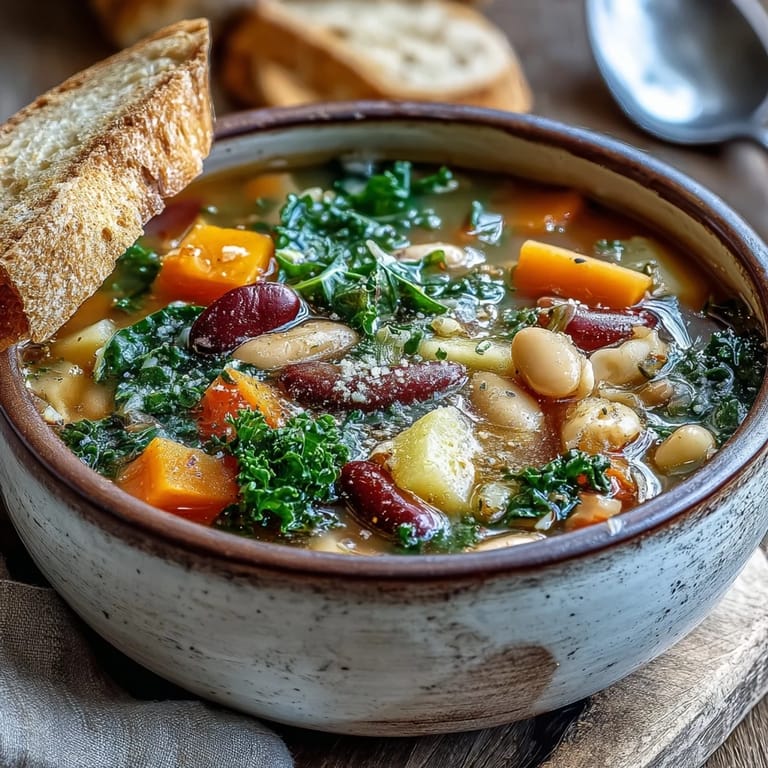
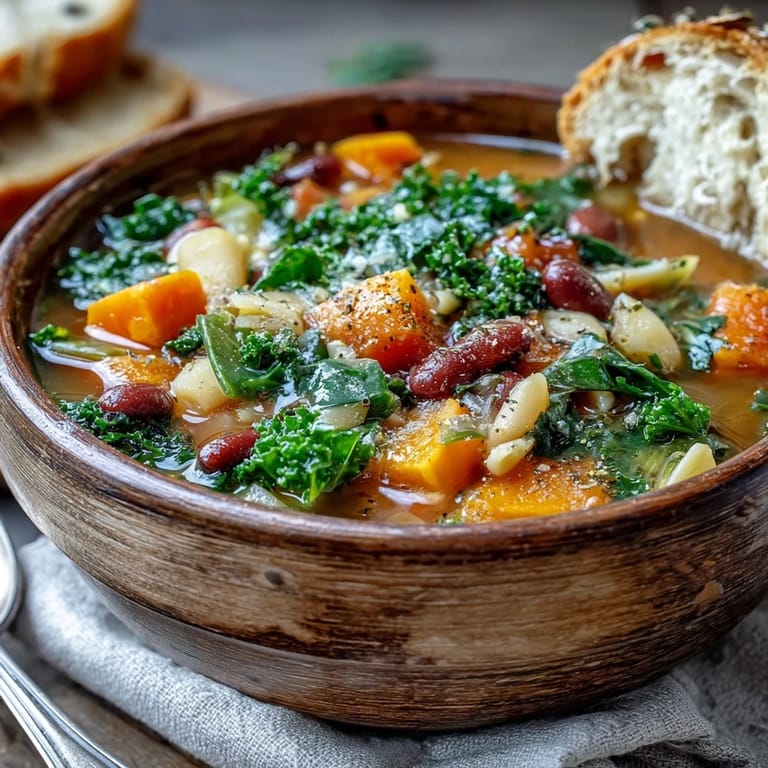
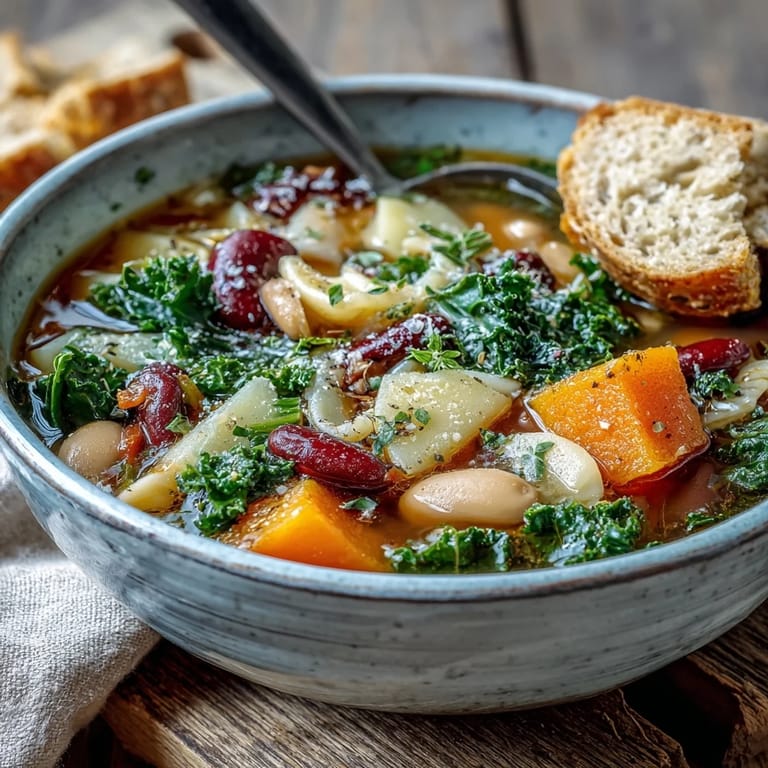
Save I remember the wind howling against the window while the smell of roasting squash filled the kitchen for the first time. It was one of those afternoons where the cold seems into your bones and only a heavy pot of vegetables can fix it. I started tossing in whatever was in the crisper drawer and the result was this thick vibrant minestrone. Now every time I see a butternut squash at the market I feel that same urge to hunker down and start chopping.
One evening my friend brought over a loaf of sourdough that was still warm from her oven while I was finishing the kale. We sat on the kitchen floor because the table was covered in flour and ate straight from the pot with big spoons. There is something about the steam hitting your face that makes conversation flow more easily. We ended up talking until the pot was scraped clean of every last bean.
Ingredients
- 2 tablespoons olive oil: Good quality oil forms the base and helps the onions caramelize without sticking.
- 1 medium yellow onion: This provides the foundational sweetness that balances the earthy herbs.
- 2 carrots: These classic aromatics add a necessary crunch and depth to the liquid.
- 2 celery stalks: I like to slice these thinly so they blend into the background of the soup.
- 3 garlic cloves: Three cloves might seem like a lot but they mellow out beautifully during the simmer.
- 3 cups butternut squash: Cubing these small ensures they cook through at the same rate as the zucchini.
- 1 medium zucchini: This adds a soft texture and absorbs all the herbaceous flavors from the broth.
- 14 ounces diced tomatoes: The acidity here cuts through the starch of the beans and pasta perfectly.
- 4 cups kale: Stripping the tough stems is key to making sure the leaves are tender.
- 15 ounces cannellini beans: These creamy legumes provide the protein and bulk that make this a full meal.
- 1 cup small pasta: Ditalini is my favorite because it stays on the spoon and catches bits of broth.
- 6 cups vegetable broth: Use a low sodium version so you can control the final saltiness yourself.
- 1 bay leaf: Never skip this because it adds a subtle floral note to the liquid.
- 1 teaspoon dried oregano: Rubbing this between your palms before adding it releases the natural oils.
- 1 teaspoon dried thyme: This herb brings an earthy depth that defines the winter flavor profile.
- half teaspoon dried rosemary: A little goes a long way in making the kitchen smell like a garden.
- Salt and pepper: Seasoning in layers is the best way to ensure the final bowl is perfect.
Tired of Takeout? 🥡
Get 10 meals you can make faster than delivery arrives. Seriously.
One email. No spam. Unsubscribe anytime.
Instructions
- Softening the aromatics:
- Begin by heating the oil and letting the onions, carrots, and celery soften until they become translucent.
- Fragrant additions:
- Stir the minced garlic into the vegetables and cook for just a minute until the kitchen smells incredible.
- Searing the squash:
- Toss in the squash and zucchini to let them get a head start on cooking before the liquid hits.
- Building the base:
- Pour in the tomatoes and broth along with those fragrant dried herbs and the bay leaf.
- The gentle simmer:
- Bring everything to a rolling boil then drop the heat to let the flavors marry under a lid.
- The final elements:
- Stir in the beans, pasta, and kale then simmer uncovered until the pasta is perfectly tender.
- Finishing touches:
- Remove the bay leaf and taste the broth to see if you need more salt or pepper.
 Save
Save 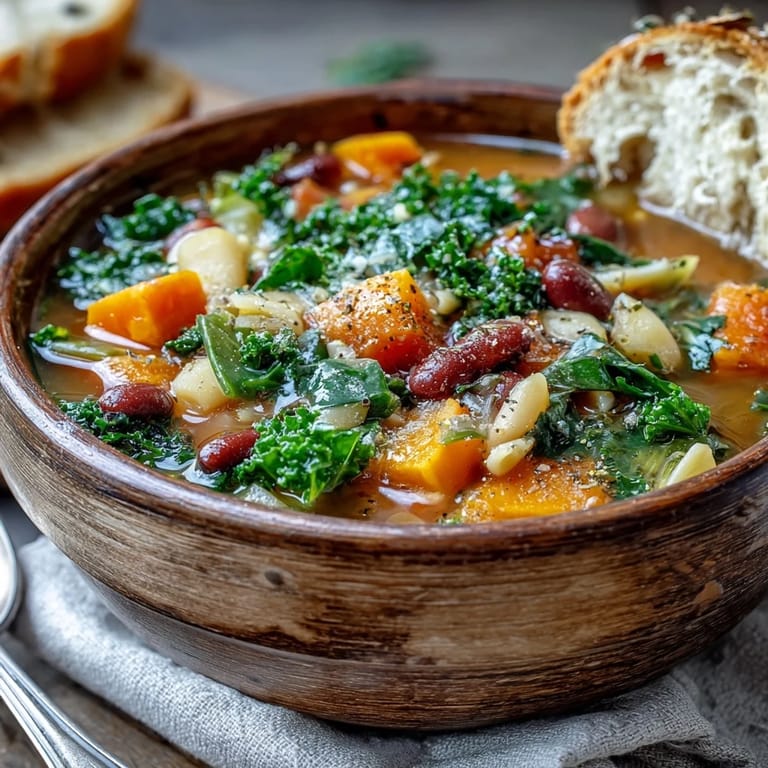 Save
Save Seeing my toddler actually reach for a second helping of kale was the moment I knew this recipe was a keeper.
The Squash Strategy
Peeling a butternut squash can be a slippery task if you are not careful. I found that slicing a small piece off the bottom to create a flat base makes the whole process much safer. Once it is stable you can use a sharp peeler or knife to take the skin off in long strokes.
Pasta Choices
While ditalini is traditional any small shape like shells or even broken spaghetti works in a pinch. If you are planning on having leftovers consider cooking the pasta separately and adding it to individual bowls. This prevents the noodles from drinking all the soup while it sits in the fridge.
Simple Customizations
You can easily swap the kale for spinach or Swiss chard depending on what looks freshest at the grocery store. If you want a bit of heat a pinch of red pepper flakes added with the garlic does wonders.
- Try adding a splash of lemon juice at the end for brightness.
- Top with a drizzle of extra virgin olive oil before serving.
- Keep extra broth handy as the soup naturally thickens over time.
 Save
Save 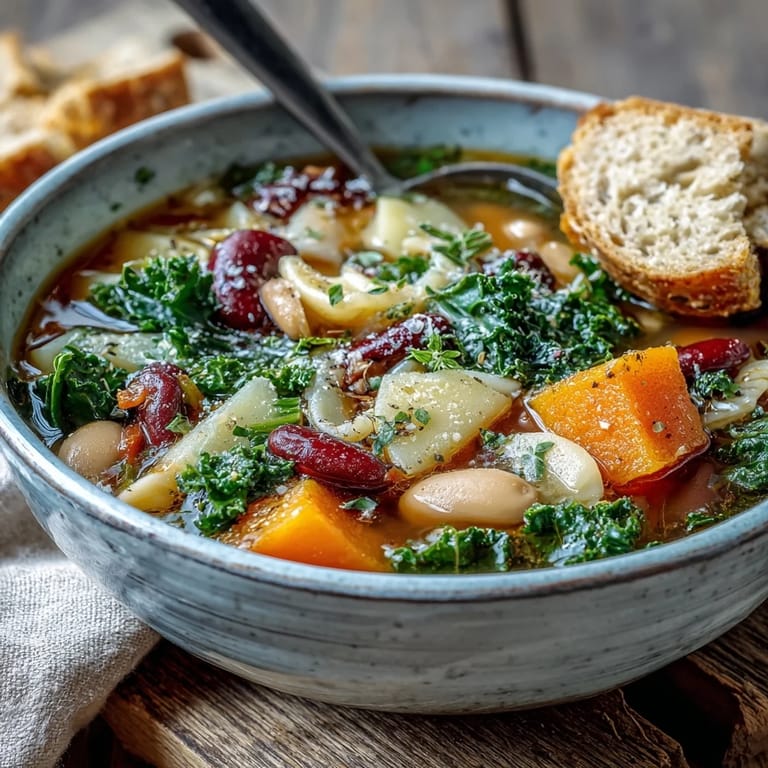 Save
Save This bowl of warmth is exactly what a cold Tuesday night needs. I hope it brings as much comfort to your kitchen as it does to mine.
Recipe FAQs
- → Can I make this soup gluten-free?
Yes, simply substitute the regular pasta with gluten-free pasta or increase the amount of cannellini beans. Always verify your vegetable broth and other ingredients are certified gluten-free.
- → How long does this soup keep in the refrigerator?
Stored in an airtight container, this soup stays fresh for 4-5 days. The pasta may absorb some liquid, so add extra vegetable broth when reheating if needed.
- → Can I freeze winter minestrone?
This soup freezes well for up to 3 months. Consider slightly undercooking the pasta before freezing, as it will continue to soften when reheated on the stovetop.
- → What vegetables can I substitute?
Spinach works beautifully in place of kale. Try adding diced potatoes, swapping butternut squash for sweet potato, or including green beans for extra texture.
- → How can I add more protein?
Incorporate additional beans like chickpeas or kidney beans, or stir in cooked Italian sausage. For vegetarian options, extra cannellini beans boost protein naturally.
- → What's the best way to reheat leftovers?
Gently warm on the stovetop over medium-low heat, adding a splash of broth if the consistency is too thick. Avoid boiling to prevent the pasta from becoming mushy.