 Save
Save I discovered hojicha cake on a quiet afternoon in a small Tokyo café, where the air smelled like toasted tea and butter. The cake arrived on a delicate plate, its crumb so impossibly light it seemed to float, and the flavor was this gorgeous balance of smoke and sweetness that made me forget to take photos. When I finally attempted it at home, my first attempt collapsed because I'd been too aggressive folding the batter, but the second try taught me patience pays off. Now whenever I make this, the kitchen fills with that same roasted, almost caramel-like warmth I remember from that café.
I made this for my friend Keiko's birthday, and watching her face when she tasted it was worth every careful fold and every minute hovering over that water bath. She closed her eyes and said it tasted like home, which hit differently than I expected, and suddenly this cake became less about technique and more about connection. That's when I understood why her grandmother had held onto this recipe so fiercely.
Ingredients
- Eggs (4 large, room temperature): These are your cake's backbone, so don't skip the tempering step—cold eggs won't incorporate air properly, and you'll lose that signature fluffy texture.
- Granulated sugar (120 g): This feeds the eggs as you whisk, creating volume and structure; don't rush the beating or you'll end up with a dense cake.
- Cake flour (120 g, sifted): The gentleness of cake flour matters here because you want tender crumb, not tough; always sift it fresh, not from a bag that's been sitting open.
- Hojicha powder (20 g for cake, 10 g for cream): This roasted green tea is the soul of the recipe, so source it from a Japanese grocer or reputable online seller to ensure quality and freshness.
- Unsalted butter (40 g, melted and cooled): The butter adds richness and moisture, but it must be cooled so it doesn't cook the egg foam when folded in.
- Whole milk (30 ml, room temperature): This keeps the cake tender and helps distribute the butter evenly without deflating your precious batter.
- Fine sea salt (1/4 tsp): A pinch of salt awakens the hojicha's flavor and balances the sweetness beautifully.
- Heavy cream (300 ml, minimum 35% fat): The fat content matters for whipping; lower-fat cream won't hold peaks, leaving you with a sad puddle instead of clouds.
- Powdered sugar (40 g): This dissolves into the cream instantly, unlike granulated sugar which can create a grainy texture.
- Vanilla extract (1 tsp): Just a whisper of vanilla complements the hojicha without overshadowing it.
Tired of Takeout? 🥡
Get 10 meals you can make faster than delivery arrives. Seriously.
One email. No spam. Unsubscribe anytime.
Instructions
- Temper your eggs:
- Set a bowl of eggs and sugar over simmering water, whisking constantly, until the mixture feels warm to your touch (around 40°C). This step dissolves the sugar and warms the eggs so they'll whip to three times their volume; skip it and you'll be beating forever with mediocre results.
- Whip until clouds form:
- Switch to your electric mixer on high speed and beat for about seven minutes until the mixture is thick, pale, and incredibly fluffy. You'll notice the batter turning ribbon-like and voluminous—this is your cake rising later in the oven, so don't stop early.
- Sift and fold gently:
- Combine your sifted cake flour, hojicha powder, and salt, then fold it into the egg mixture in two additions using a rubber spatula with an almost meditative slowness. The goal is to keep the air bubbles intact while ensuring everything is evenly mixed; this is where patience wins.
- Butter mixture surprise:
- Whisk your cooled melted butter with milk in a small bowl, then grab a scoop of the main batter and stir it together. This tempers the butter so it won't shock the batter, then gently fold this mixture back into the rest—it's a small step that prevents tunneling and keeps crumb tender.
- Into the oven:
- Pour the batter into your parchment-lined pan and tap gently on the counter a few times to release large air bubbles. Bake at 170°C (340°F) for 23 to 25 minutes until the top springs back when you touch it gently and a skewer comes out clean.
- Cool with intention:
- Let the cake rest in the pan for ten minutes (the steam helps it release without sticking), then run a thin knife around the edges and invert it onto a cooling rack. Peel away the parchment gently and let it cool completely at room temperature before building your cake.
- Whip the cream:
- In a cold bowl, sift together your hojicha powder and powdered sugar to prevent lumps, add the heavy cream and vanilla, then whip to medium-stiff peaks. Stop before it becomes grainy butter—you want soft clouds that spread beautifully, not a dense paste.
- Layer with care:
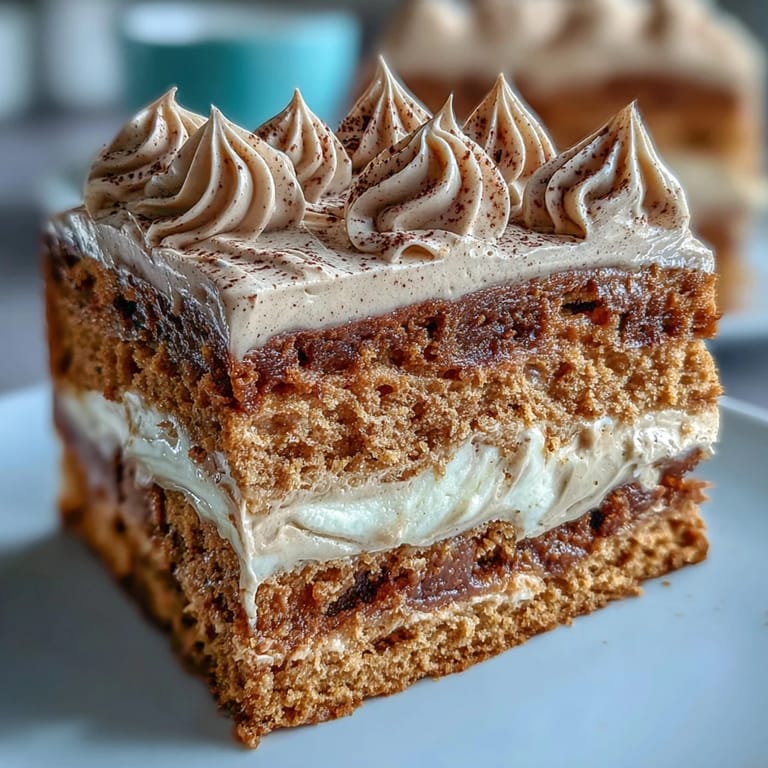
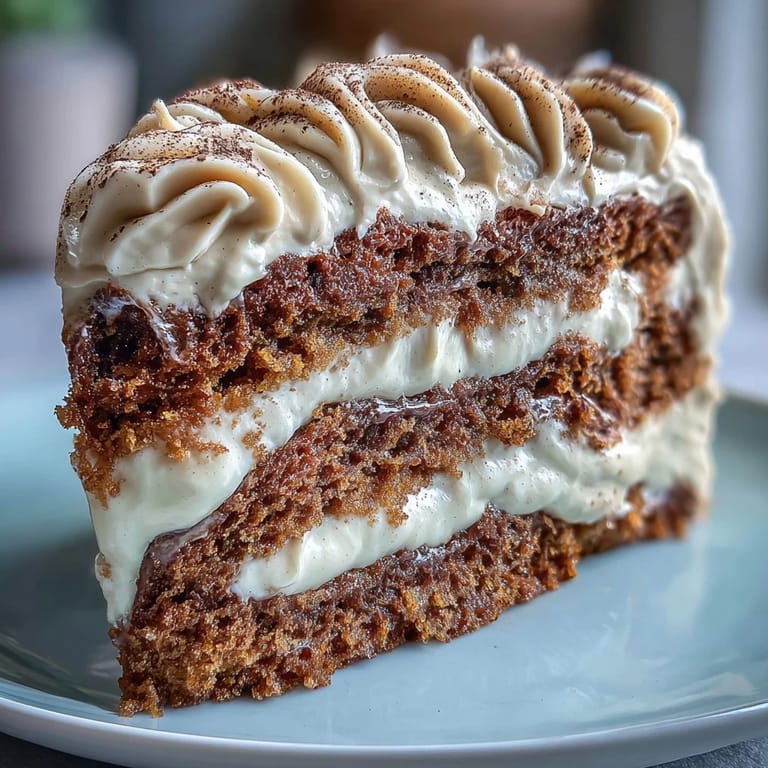
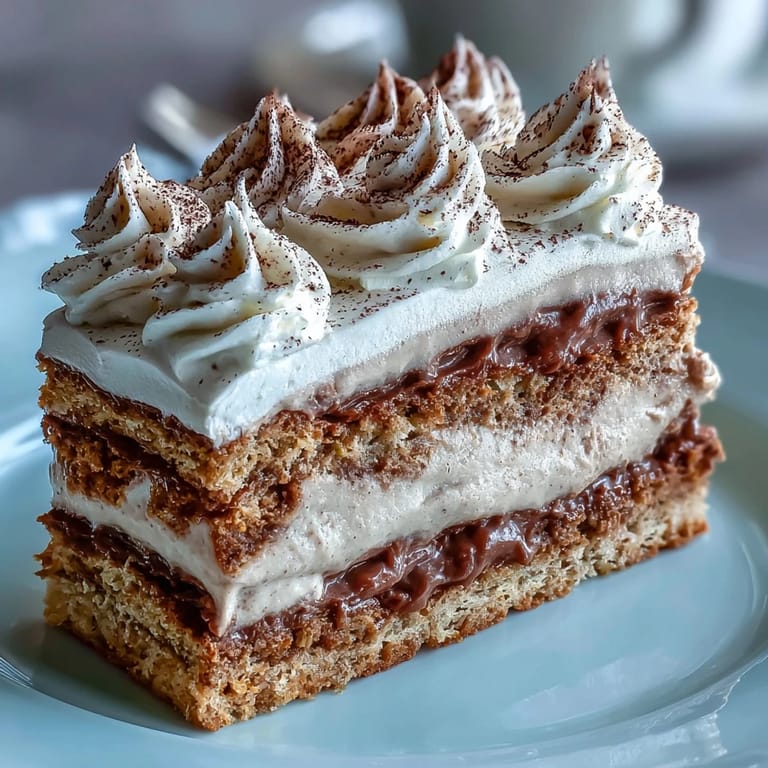
- Once the sponge is completely cool, use a serrated knife to slice it horizontally into two or three layers (leveling the domed top first makes this easier). Spread hojicha whipped cream between each layer and over the top, then dust with extra hojicha powder or garnish as you like.
- Chill for cleaner slices:
- Pop the finished cake into the refrigerator for at least thirty minutes so the cream sets and you can slice cleanly without the layers sliding. Cold cake also tastes more refined somehow, like it's had time to gather its thoughts.
 Save
Save One evening, my neighbor stopped by while the cake was cooling and the entire house smelled like a Japanese roastery mixed with vanilla butter. She asked what I was making and when I explained it was hojicha, she told me about visiting Kyoto as a young woman and spending afternoons in tea houses, watching the light move through the afternoons. That's when I realized this cake carries memory in its flavor, somehow bridging continents and time.
The Story Behind Hojicha
Hojicha isn't your typical green tea—it's roasted at high temperatures until the leaves turn deep brown and crack slightly, developing flavors that lean toward caramel, chestnut, and woodsmoke instead of the bright vegetal notes you'd expect from tea. This roasting process actually reduces the caffeine, so you could theoretically drink hojicha in the evening without staring at your ceiling at midnight. In Japanese homes, hojicha has always been comfort tea, the drink you reach for when you want warmth without intensity, which makes it perfect for baking.
Why Genoise Wins
A genoise sponge is an egg foam cake made without any chemical leavening—all the rise comes from air whipped into eggs and sugar, making it delicate and tender once baked. The technique is old enough that recipes exist in French pastry books from centuries ago, and the method hasn't changed because it simply works. What I love is that you're not fighting with baking powder or baking soda; you're just encouraging air into eggs and trusting physics to do the rest.
Assembling Your Masterpiece
The assembly feels like art, even if you've never considered yourself artistic—spreading cream between layers, smoothing the top, deciding whether to dust with hojicha powder or scatter chopped roasted pistachios across the surface. I've learned that a turntable makes this easier because you can spin while spreading, and a long offset spatula glides through the cream like it's meant for this moment. The final cake should look understated and elegant, like you weren't trying too hard, even though you absolutely were.
- A serrated knife dipped in hot water before each slice prevents compression and keeps your layers looking pristine.
- If your cake seems a bit dry (humidity varies wildly), brush each layer with hojicha tea or simple syrup before adding cream—this old pastry trick is life-changing.
- Keep the finished cake refrigerated until serving, and it'll hold perfectly for two days, though it rarely lasts that long.
 Save
Save This hojicha cake has become my answer to that question everyone asks: what's your signature dessert? It's fancy enough to impress, familiar enough to comfort, and somehow tastes like a love letter to both precision and generosity in the kitchen. Make it for someone you want to remember you by.
Recipe FAQs
- → What does hojicha taste like?
Hojicha has a distinctive roasted, earthy flavor with subtle smoky notes and low astringency. Unlike green tea, it's naturally sweet and lacks bitterness, making it perfect for desserts.
- → Can I substitute hojicha powder?
Matcha powder works but will give a more grassy, bitter flavor. For the closest alternative, use roasted green tea powder or grind roasted hojicha leaves into a fine powder yourself.
- → Why shouldn't I grease the cake pan sides?
Ungreased sides allow the batter to climb and grip the pan as it rises, creating a taller, fluffier sponge. Greasing would cause the batter to slide down and result in a denser texture.
- → How do I know when the sponge is fully baked?
The top should spring back when lightly touched, and a skewer inserted into the center should come out clean or with just a few moist crumbs. The edges will also start pulling away slightly from the pan.
- → Can I make this ahead of time?
The sponge can be baked a day ahead and wrapped tightly at room temperature. The whipped cream is best whipped fresh, but the assembled cake can be refrigerated for up to 24 hours before serving.
- → Why heat the eggs and sugar over water?
Gently warming the egg mixture to about 40°C helps dissolve the sugar completely and creates a more stable foam. This results in a genoise that's lighter and rises better during baking.