 Save
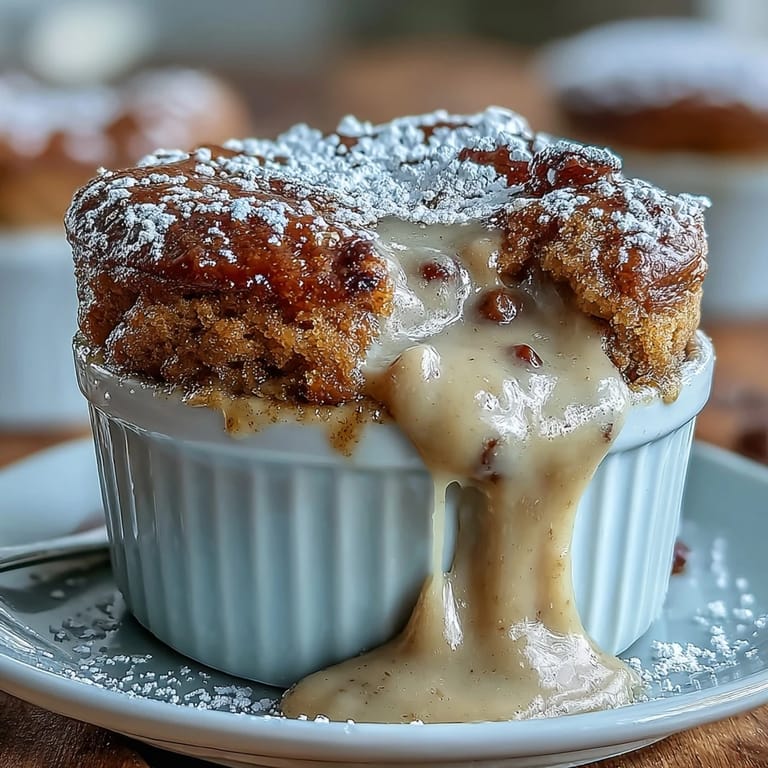
Save There's something about the smell of hojicha powder hitting a warm bowl that makes you pause mid-breath. I discovered these cakes on an ordinary Tuesday while experimenting with pantry staples, never expecting that roasted tea would play so beautifully against white chocolate's buttery sweetness. What started as curiosity became my go-to move for impressing people without breaking a sweat. The molten center isn't luck—it's a very deliberate promise kept for exactly twelve minutes.
I made these for my sister's book club meeting, and watching four women close their eyes the moment that molten center flowed onto their forks—that's when I knew I'd stumbled onto something special. Someone asked if I'd trained as a pastry chef, which made me laugh while pouring another cup of tea. The quiet confidence you get from nailing a dessert that looks restaurant-quality but took thirty minutes total is its own kind of magic.
Ingredients
- White chocolate, chopped (80 g): Quality matters here because it's doing most of the heavy lifting flavor-wise—splurge on something with actual cocoa butter, not that waxy stuff, and chop it yourself for faster melting.
- Unsalted butter (60 g plus extra for greasing): This tamps down any sweetness and keeps the texture silky, so don't skip it or substitute it.
- Eggs and egg yolk (2 large eggs plus 1 yolk): The yolk is non-negotiable for that molten promise in the center—it's the secret ingredient that keeps this from turning into a regular cake.
- Granulated sugar (60 g): Whisk this with the eggs longer than feels necessary to build air into the batter, which keeps the cake tender.
- All-purpose flour (30 g): Measure by weight if you can, or spoon and level by hand, because too much flour turns this dense and sad.
- Hojicha powder (2 tbsp): This roasted green tea is the entire reason these cakes taste like something you'd find in Kyoto—don't swap it for matcha unless you want a completely different flavor profile.
- Salt (pinch): Acts as a backstage helper that brings all the flavors into focus without announcing itself.
Tired of Takeout? 🥡
Get 10 meals you can make faster than delivery arrives. Seriously.
One email. No spam. Unsubscribe anytime.
Instructions
- Prep your ramekins like you mean it:
- Brush each one generously with butter, making sure you get into the corners and up the sides where it matters. Dust with flour, tap out the excess, and set them on a baking tray—this step takes two minutes but saves you from the heartbreak of a stuck cake.
- Melt chocolate and butter together gently:
- Set a heatproof bowl over barely simmering water (the bowl shouldn't touch the water or you'll scramble everything) and stir until glossy and smooth. Let it cool for just a minute so it doesn't cook the eggs when you fold it in.
- Whisk eggs and sugar until they're pale and fluffy:
- This usually takes about three minutes of steady whisking—you're aerating the mixture, which is what keeps the cake light rather than dense. You should see a noticeable change in color and texture.
- Fold in the flour, hojicha, and salt with a light hand:
- Use a spatula and work from the bottom of the bowl up, rotating the bowl as you go, until you don't see any dry streaks. Don't be a perfectionist here—a few flour specks are fine, but overworking the batter makes the cake tough.
- Fold in the chocolate mixture until just combined:
- This is the moment where restraint matters—fold gently until you don't see any white streaks, then stop. Overmixing deflates all that air you just built.
- Divide batter and bake with precision:
- Spoon the batter evenly into each ramekin (they should be about two-thirds full) and bake at 200°C for exactly twelve minutes. The edges will look set but the centers will jiggle slightly when you nudge the tray.
- Release and invert with confidence:
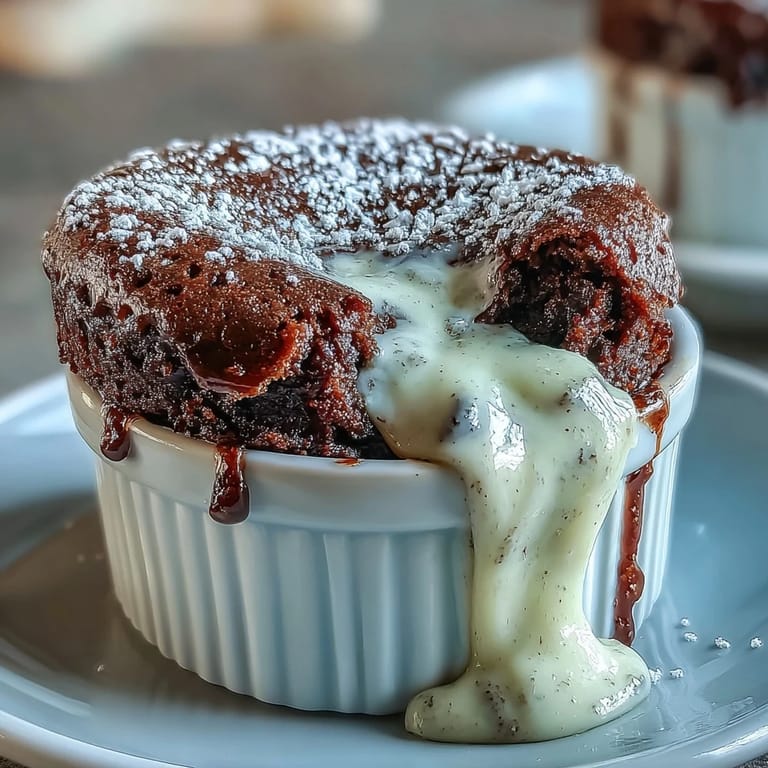
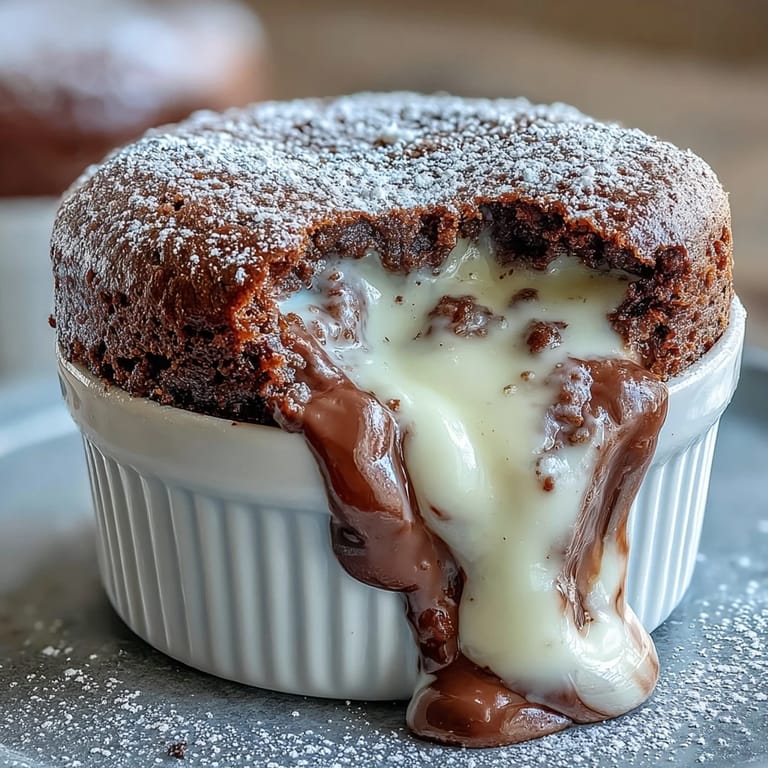
- Let them rest for a minute, then run a thin knife around the inside edge of each ramekin and invert onto your plate in one smooth motion. That molten center should flow onto the plate like a promise kept.
 Save
Save I'll never forget my neighbor tasting one of these while sitting on my kitchen counter at seven in the evening, and she just went quiet for a moment. Then she asked if I'd make them again next month when her book club came over, which somehow meant more to me than any fancy compliment could.
The Hojicha Difference
Hojicha is green tea that's been roasted until it turns brown, which sounds simple but changes everything about the flavor profile. It loses the grassy sharpness of regular green tea and becomes warm, almost coffee-like, with this toasted nuttiness that makes white chocolate feel less one-dimensional. The first time I baked these, I almost used matcha by accident and caught myself just in time—matcha would be brighter and more floral, which is lovely, but hojicha is what makes this specific cake taste like a gentle, sophisticated moment.
Timing Is Everything
The window between underbaked and overbaked is maybe ninety seconds, which sounds stressful but actually becomes your superpower once you understand it. Those jiggly centers are exactly what you want—they'll continue cooking slightly from residual heat as the cake sits on the plate. If you pull them out and the edges spring back immediately when you nudge the pan, you're golden; if the whole thing wiggles, give it another minute, but not much more.
Serving and Variations
These cakes shine on their own, but they also play beautifully with other flavors if you want to dress them up. A dusting of powdered sugar adds visual drama, while fresh berries cut through the richness or whipped cream softens the hojicha's earthiness. If you're feeling adventurous, you can swap the hojicha for matcha, or even a tablespoon of instant espresso powder if you want to lean into the coffee-chocolate angle instead of the tea route.
- Serve them immediately while the centers are still flowing—plating and eating should happen within minutes of inversion.
- If you must make them ahead, you can bake and refrigerate the batter in the ramekins for up to four hours, then add two or three extra minutes to the bake time.
- A small glass of cold milk or hot espresso is the only other thing your guests will need to feel completely satisfied.
 Save
Save These cakes have become my quiet confidence move, the thing I make when I want to feel like I know what I'm doing in the kitchen. There's something deeply satisfying about that moment when the molten center meets the plate and everyone leans in a little closer.
Recipe FAQs
- → What makes hojicha different from matcha?
Hojicha is roasted green tea leaves that produce a nutty, earthy flavor with lower caffeine content. Matcha offers a more grassy, vegetal taste. The roasting process gives hojicha its distinctive reddish-brown color and toasty notes.
- → How do I know when the lava cakes are done?
The edges should appear set and firm while the center remains soft and slightly jiggly when gently shaken. This 12-minute baking time creates the perfect molten center. Overbaking will result in a fully cooked cake without the lava effect.
- → Can I prepare these ahead of time?
You can prepare the batter up to 24 hours in advance and refrigerate in the prepared ramekins. When ready to bake, let them sit at room temperature for 15 minutes, then bake as directed. You may need to add an extra minute to the baking time.
- → What's the best way to invert the cakes?
Let the cakes rest for 1-2 minutes after removing from the oven. Run a thin knife around the edges to loosen, place a serving plate upside down over the ramekin, then quickly flip both together. Lift the ramekin carefully to release the cake.
- → Can I substitute regular chocolate for white chocolate?
Yes, you can use dark, milk, or semi-sweet chocolate instead. White chocolate's sweetness and creamy texture specifically balance hojicha's earthiness. Dark chocolate creates a more intense, bittersweet version while milk chocolate offers a middle ground.
- → What pairs well with these lava cakes?
Fresh berries like raspberries or strawberries provide acidity to cut through the richness. A scoop of vanilla ice cream creates a temperature contrast. For beverages, try ice-cold milk, espresso, or a cup of plain hojicha tea to complement the flavors.