 Save
Save The first time I tasted hojicha, I was sitting in a small café in Kyoto, watching the afternoon light filter through wooden screens. The roasted green tea had this warm, toasty depth that felt nothing like the bright matcha I'd known before—it was comforting in a way that made me want to capture that feeling in something I could bake. Years later, when I finally decided to roll that flavor into a delicate sponge cake with a whisper of mango, it felt like bringing home a memory I could share.
I made this for my friend's birthday last spring, and what I remember most isn't the baking part—it was her face when she bit into it and said the mango brightness actually made the hojicha taste more hojicha, if that makes sense. She couldn't quite explain it, but somehow the sweet tartness of the fruit pulled forward that toasted, almost nutty quality in the cream. That moment taught me more about flavor pairing than any recipe book could.
Ingredients
- Eggs, separated: The yolks bring richness while the whites give you that cloud-like lift, but the real trick is keeping them completely separate—even a speck of yolk in the whites will stop them from whipping properly, something my grandmother insisted on before I learned it the sticky way.
- Granulated sugar (divided): Splitting it between the yolk mixture and meringue gives you stability and sweetness where you need it, without making the batter grainy or the cake dense.
- Cake flour and cornstarch: This combination creates a tender crumb that can actually hold together when you roll it, unlike regular flour which tends to crack.
- Hojicha powder: Buy from a Japanese grocer or tea shop if you can—the flavor difference between quality hojicha and grocery store versions is like night and day, and it's worth seeking out.
- Heavy cream: Make absolutely sure it's chilled before you start whipping, because room-temperature cream will never reach those medium-stiff peaks no matter how long you beat it.
- Mango: Pick one that yields slightly to pressure but isn't mushy, and slice it thin so it doesn't puncture the delicate cake when you roll.
Tired of Takeout? 🥡
Get 10 meals you can make faster than delivery arrives. Seriously.
One email. No spam. Unsubscribe anytime.
Instructions
- Set the stage:
- Preheat your oven to 170°C (340°F) and line your baking tray with parchment paper—this temperature is gentler than you might expect, but it prevents the thin sponge from cooking too fast on the edges. The lower heat gives you a more even, delicate cake.
- Build your yolk base:
- Whisk the separated egg yolks with 40 g sugar until the mixture turns pale and creamy, which takes about 2–3 minutes of steady whisking. Add the milk and vegetable oil and mix until completely smooth, then sift in the flour mixture, cornstarch, hojicha powder, and salt together, folding gently until just combined.
- Create the meringue magic:
- In a scrupulously clean bowl, beat the egg whites until foamy, then gradually add the remaining 40 g sugar while continuing to beat until stiff peaks form—this takes patience, but the peaks should hold their shape completely. Don't rush this step because underbeaten meringue will deflate your entire cake.
- Fold with care:
- Gently fold the meringue into the yolk-flour mixture in three additions, using a spatula and turning the bowl as you fold rather than stirring, which preserves all that air you just whipped in. The batter should look light and billowy, not dense.
- Bake with attention:
- Pour the batter into the prepared tray and smooth the surface, then gently tap the tray on the counter a few times to release any large air bubbles. Bake for 13–15 minutes until the cake springs back when you press it lightly with your finger—it should still feel tender, not firm.
- Cool strategically:
- While the cake is still warm, invert it onto a fresh sheet of parchment (this is easier than it sounds—just flip the tray upside down and peel away the original parchment). Cover loosely with a clean kitchen towel and let it cool completely, which helps it relax and become easier to roll.
- Whip the hojicha cream:
- Pour your chilled heavy cream into a bowl with the powdered sugar and hojicha powder, then whip to medium-stiff peaks—you want it to hold its shape but still be spreadable, not grainy like butter. Taste as you go and adjust the hojicha powder if you want a deeper flavor.
- Assemble with intention:
- Spread the hojicha cream evenly over the cooled sponge with an offset spatula, then arrange your mango strips in a neat line along one short edge. The mango becomes your rolling anchor, so position it carefully.
- Roll and set:
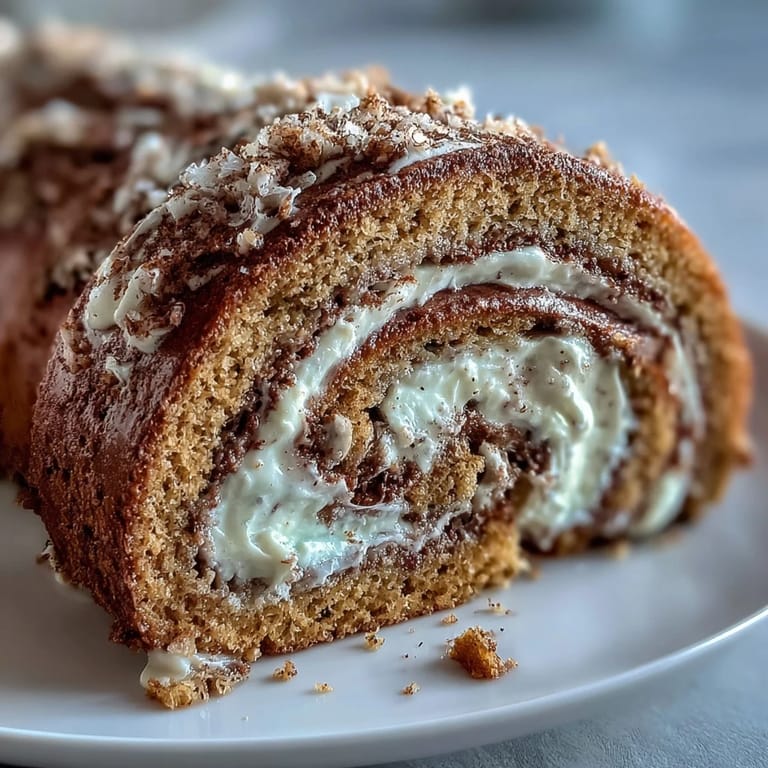
- Using the parchment underneath to guide you, gently roll the cake from the mango edge toward the opposite end, forming a tight spiral as you go. Wrap it in parchment and refrigerate for at least 30 minutes to allow the cream to set and the flavors to settle.
- Finish and serve:
- Trim the rough ends with a sharp knife wiped clean between cuts, then slice into 8 even pieces. A light dusting of hojicha powder on top adds both elegance and a subtle flavor reminder.
 Save
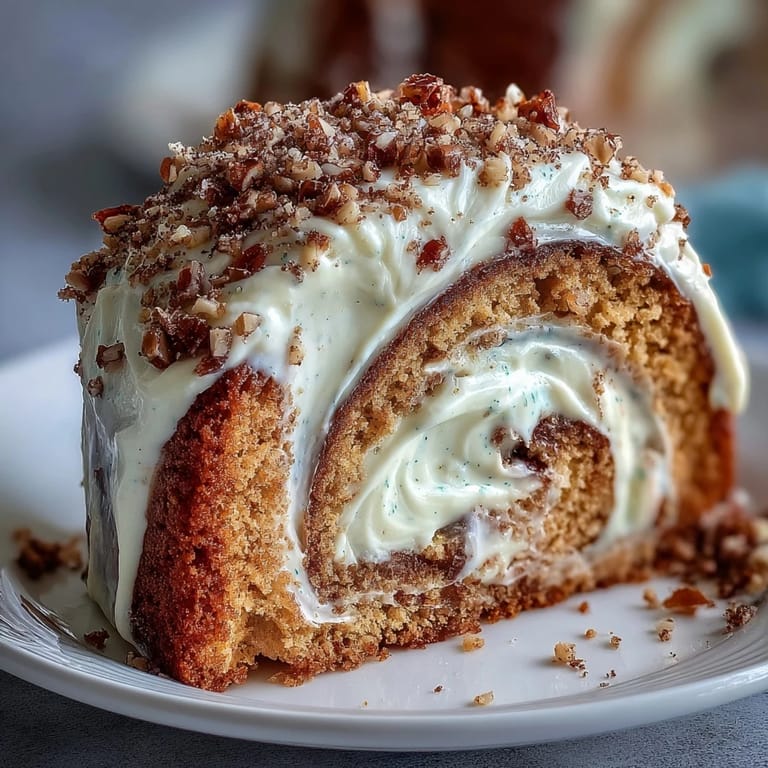
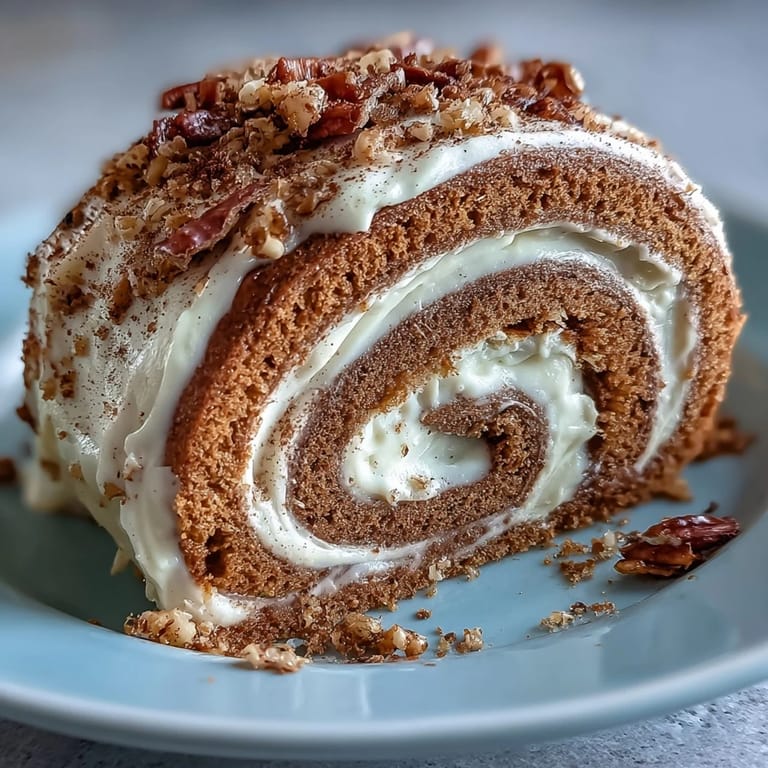
Save There's something almost meditative about rolling this cake, watching the swirl form as you guide it along the parchment. When you slice into it the next day and see that beautiful spiral with the mango catching the light, you realize you've created something that tastes as beautiful as it looks.
Why Hojicha Is Worth the Search
Hojicha isn't as common as matcha, but it deserves to be celebrated just as much—the roasting process transforms green tea into something entirely different, with caramel notes and a gentler caffeine content. Unlike matcha, which can taste vegetal or grassy if you're not careful, hojicha has this inherent warmth that pairs naturally with creamy fillings and fruit. Once you taste real hojicha powder in this cake, you'll understand why it's worth seeking out from a quality source.
The Mango Choice Matters More Than You Think
The mango in this cake does more than add color—it actually brightens the earthiness of the hojicha cream and prevents the whole thing from tasting too heavy. I've tried this with strawberries, peaches, and even passion fruit, and while they're all lovely, something about mango's tropical sweetness and subtle tartness just completes the flavor story. The key is using a ripe but firm mango so you can slice it thinly without it falling apart during assembly.
Making It Your Own
This recipe is forgiving in one particular way—if you don't love mango or can't find good ones, the hojicha cream is stunning enough to stand alone, dusted lightly with extra powder for drama. You can also lighten the cream by folding in a spoonful of mascarpone, which adds a subtle tang that makes the hojicha taste even more sophisticated. Here are three ways to personalize your cake without losing what makes it special:
- Substitute the mango with thinly sliced fresh strawberries, raspberries, or even a thin layer of strawberry jam for brightness and contrast.
- Add a touch of cardamom or a whisper of vanilla to the cream if you want to deepen the complexity, but start with just 1/4 teaspoon so you don't overpower the hojicha.
- Dust the finished cake with both hojicha powder and a light coating of powdered sugar for a more elegant, refined presentation that hints at both ingredients.
 Save
Save This hojicha roll cake has become my go-to when I want to impress without spending hours in the kitchen—it's elegant, unexpected, and genuinely delicious. Serve it with strong tea or coffee, and watch people's faces light up when they discover that perfect balance of roasted, creamy, and bright.
Recipe FAQs
- → What makes hojicha different from regular green tea?
Hojicha is roasted green tea that has been charcoal-roasted at high temperatures, giving it a reddish-brown color and distinct earthy, nutty flavor with lower caffeine content than other Japanese teas.
- → Can I make this roll cake ahead of time?
Yes, the rolled cake can be wrapped tightly in plastic and refrigerated for up to 24 hours before serving. The flavors actually develop and improve overnight.
- → Why did my sponge crack when rolling?
Cracking usually occurs when the sponge cools completely before rolling or when overbaked. Roll while slightly warm and use the parchment paper to guide the roll gently without applying too much pressure.
- → Can I substitute the mango filling?
Absolutely. Fresh strawberries, peeled peaches, or even matcha-infused cream work beautifully. The mango adds brightness but the roll is delicious with cream alone or other seasonal fruits.
- → What if I can't find hojicha powder?
You can grind hojicha leaves in a spice grinder or coffee mill. Alternatively, substitute with matcha powder for a vibrant green color and more astringent flavor profile.
- → How do I know when the sponge is done baking?
The sponge is ready when it springs back lightly when touched in the center and the edges begin to pull away from the pan slightly, typically 13-15 minutes at 170°C.