 Save
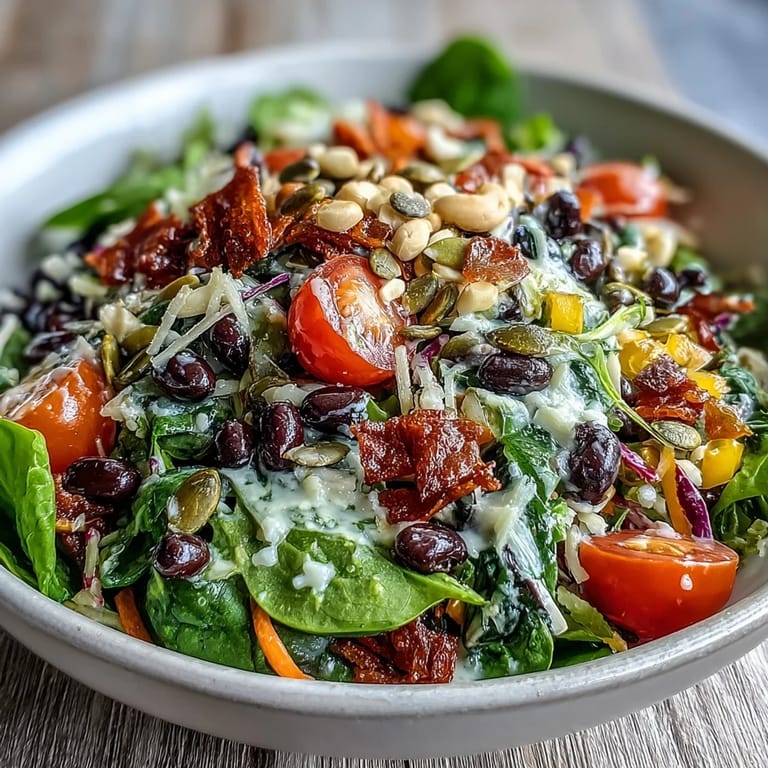
Save I stumbled onto the magic of bowl salads during a particularly uninspired week when my fridge felt full yet empty at the same time. Leftovers stared back at me—some quinoa, half a bell pepper, a container of chickpeas—and instead of the usual sad desk lunch, I arranged them by color like I was painting something edible. The result tasted so much better than I expected, partly because eating with your eyes first turns out to matter. Now it's become my answer to the question I ask myself most afternoons: what can I actually feel good about eating?
I made this for a potluck at my neighbor's place thinking nobody would touch it, and instead I watched people come back for seconds while debating whether the purple cabbage or the roasted cashews made it sing. Someone asked for the recipe, which was shocking enough, but then they came back a week later saying they'd been making it twice weekly because it finally felt like actual food, not punishment. That's when I realized this salad wasn't about being virtuous—it was about things tasting genuinely delicious.
Ingredients
- Quinoa (1 cup cooked): Use this as your grain base because it's tender without being mushy and brings a subtle nuttiness that other grains can't quite match; brown rice works beautifully too if that's what you have on hand.
- Cherry tomatoes (1 cup, halved): These little bursts of sweetness and acidity balance everything else, and halving them matters because they won't roll around and escape your bowl like whole ones do.
- Purple cabbage (1 cup shredded): This vegetable stays crisp for days, keeps its color, and adds a peppery edge that prevents the whole thing from tasting too mild or one-note.
- Grated carrots (1 cup): They soften just enough over time to feel tender while holding their sweetness, and their texture plays against the crunch of everything else.
- Yellow bell pepper (1 diced): Choose one that feels heavy for its size because that means it's ripe and sweet, and the brightness cuts through richer elements like nuts and oil.
- Baby spinach (1 cup): Add this at the very end or keep it separate until serving because it wilts quickly once the dressing hits it, though that's actually lovely if you prefer softer greens.
- Cucumber (1 small, sliced): The watery freshness here prevents everything from feeling dense, so don't skip it even if you think you don't love cucumbers.
- Chickpeas (1 cup drained and rinsed): Rinsing matters more than you'd think because it removes the starchy liquid that makes them gummy; these provide protein and earthiness that makes the salad actually sustaining.
- Black beans (1 cup drained and rinsed): They're slightly firmer and earthier than chickpeas, and together these two create a protein-packed base that keeps you full through the afternoon.
- Roasted cashews or almonds (1/3 cup chopped): Toast them lightly yourself if you have time because store-bought roasted tastes more alive; these add richness that feels indulgent without being heavy.
- Pumpkin and sunflower seeds (2 tbsp each): These seeds bring crunch that won't disappear by day three and add minerals plus healthy fats that make the whole thing more satisfying.
- Extra-virgin olive oil (3 tbsp): This is the dressing's backbone, so choose something you'd actually drink because you'll taste it clearly—don't waste good oil on vinaigrettes.
- Fresh lemon juice (2 tbsp): Use fresh lemons, not bottled, because the brightness matters here and bottled juice tastes flat by comparison; squeeze them right before mixing if you can.
- Maple syrup or honey (1 tbsp): A small amount of sweetness balances the mustard's punch and the lemon's bite, creating harmony instead of a salad that tastes like a health lecture.
- Dijon mustard (1 tsp): This tiny amount acts like a secret ingredient that makes people wonder what you did different, so don't omit it even though it seems small.
- Garlic clove (1 minced): Mince it fine right before whisking because garlic's sharp edge mellows as it sits, and you want that fresh punch in your dressing.
- Fresh parsley or cilantro (2 tbsp chopped): Add this just before serving because it's more about aromatics and visual pop than flavor, and it wilts into sadness if it sits too long.
Tired of Takeout? 🥡
Get 10 meals you can make faster than delivery arrives. Seriously.
One email. No spam. Unsubscribe anytime.
Instructions
- Cook your grain and let it breathe:
- Prepare your quinoa or brown rice according to package directions, then spread it on a cutting board or shallow dish to cool completely. Warm grains will wilt your vegetables and make the whole salad taste cooked rather than fresh, so give it a real ten minutes to chill.
- Organize your vegetables like a painter:
- Wash and prep everything first—halve your tomatoes, shred the cabbage, grate the carrots, dice the pepper, and slice your cucumber. Arrange them in a large bowl or on a platter in colorful sections, creating visual separation that makes people actually want to eat it and lets everyone build their own ratio.
- Rinse and drain your beans thoroughly:
- Pour canned chickpeas and black beans into a fine mesh strainer and run cold water over them for a full minute, shaking gently as you go. This removes the thick starchy liquid that makes beans taste canned instead of fresh, which honestly makes a surprising difference.
- Build your dressing while staying present:
- In a small bowl, whisk together olive oil, fresh lemon juice, maple syrup, Dijon mustard, minced garlic, salt, and pepper until you see the mixture look slightly creamy and emulsified. Taste it as you go because you might want more lemon sharpness or a touch more sweetness, and this is your moment to adjust it to your preferences.
- Combine everything with intention:
- Drizzle the dressing over your arranged salad just before serving, then toss everything gently to combine or serve it undressed with the dressing on the side so people can add as much as they like. Scatter fresh parsley or cilantro across the top for that final pop of color and that fresh herbal scent that makes people lean in close.
 Save
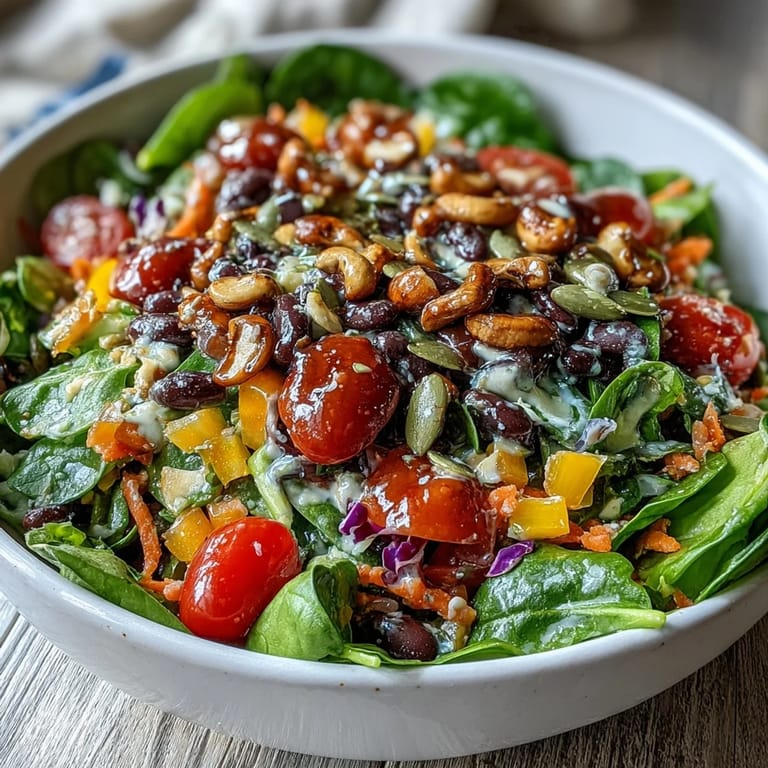
Save My partner came home while I was photographing this bowl (yes, I'm that person now) and asked if I was ever going to actually eat it or just admire it. We sat down together and somehow had the kind of conversation you only have when you're not thinking about what you're eating, which felt like the salad earned its place at the table. Food that makes you forget to think about food while you're eating it might be the whole point of cooking.
Building Your Own Bowl
The real beauty of this salad is that it's less a recipe and more a framework for whatever you have hiding in your crisper drawer. I've made it with shredded beets instead of carrots, added roasted Brussels sprouts when tomatoes weren't ripe, swapped quinoa for farro on weeks when that's what was open in my pantry. The structure stays the same—grains, vegetables, beans, crunch, dressing—but your version will taste distinctly like your kitchen and your preferences.
Make-Ahead Magic
This salad actually improves slightly over the next two days as the flavors marinate together, though the vegetables gradually soften and lose their snap. I prep everything on Sunday morning, keep the dressing separate in a small jar, and then assemble individual bowls each evening so I'm eating crisp vegetables alongside that mellowed grain mixture. It's the kind of meal that takes thirty minutes once and then feeds you three times, which feels like the opposite of how most cooking works.
What Transforms This Into Dinner
On its own this is a deeply satisfying lunch, but when I'm serving it as a main dish to actual guests, I add grilled tofu or crumbled feta cheese depending on who's coming and what they eat. Sometimes I'll grill some bread and serve the salad alongside it, letting people make little open-faced situations that feel more substantial than a bowl alone. The salad itself stays light, which means you can build on top of it without the whole meal feeling heavy.
- A handful of creamy avocado slices transforms this into something richer and more luxurious feeling.
- Warm chickpeas instead of cold ones make this feel more like a composed warm salad if your kitchen is cold and you need something comforting.
- Fresh herbs beyond parsley—mint, dill, basil—completely change the flavor story depending on what you add.
 Save
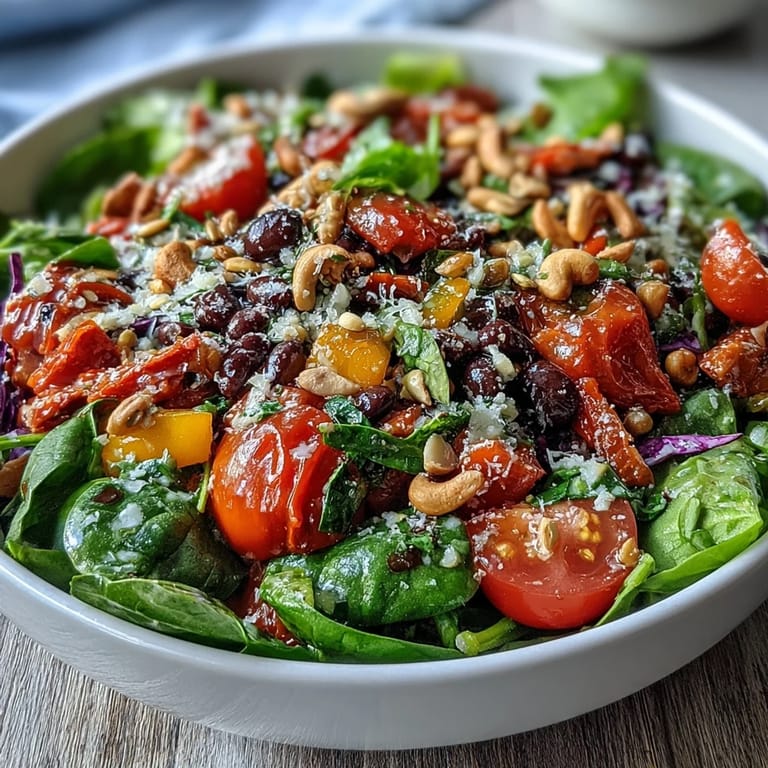
Save This salad taught me that eating well doesn't require complicated techniques or hard-to-find ingredients, just a little intentionality about what you're putting on your plate. Once you make it once, you'll find yourself returning to it on nights when you're tired and can't think of what to cook, which is when the best recipes actually prove their worth.
Recipe FAQs
- → Can I make this rainbow bowl ahead of time?
Yes, prepare all vegetables, grains, and beans up to 24 hours in advance. Store components separately in airtight containers and toss with dressing just before serving to maintain optimal texture and freshness.
- → What grains work best as a base?
Quinoa, brown rice, farro, bulgur, or any gluten-free grain make excellent bases. Choose based on dietary needs and preference. Quinoa cooks quickly and provides complete protein.
- → How can I add more protein?
Top with grilled tofu, tempeh, or feta cheese. Adding hemp seeds, chia seeds, or extra beans also boosts protein content while maintaining the colorful presentation.
- → Is the dressing customizable?
Absolutely. Substitute balsamic vinegar for lemon juice, use tahini instead of olive oil, or add fresh herbs like basil or dill. Adjust sweetness with agave if preferred over maple syrup.
- → What vegetables can I substitute seasonally?
Swap in roasted sweet potato, beets, shredded Brussels sprouts in autumn. Spring offers fresh peas, asparagus, and radishes. Adjust colors while maintaining the rainbow effect.
- → How long does this keep in the refrigerator?
Stored properly without dressing, components stay fresh 3-4 days. Keep dressing separate and add just before eating. Avocado additions should be fresh and consumed within 1-2 days.