 Save
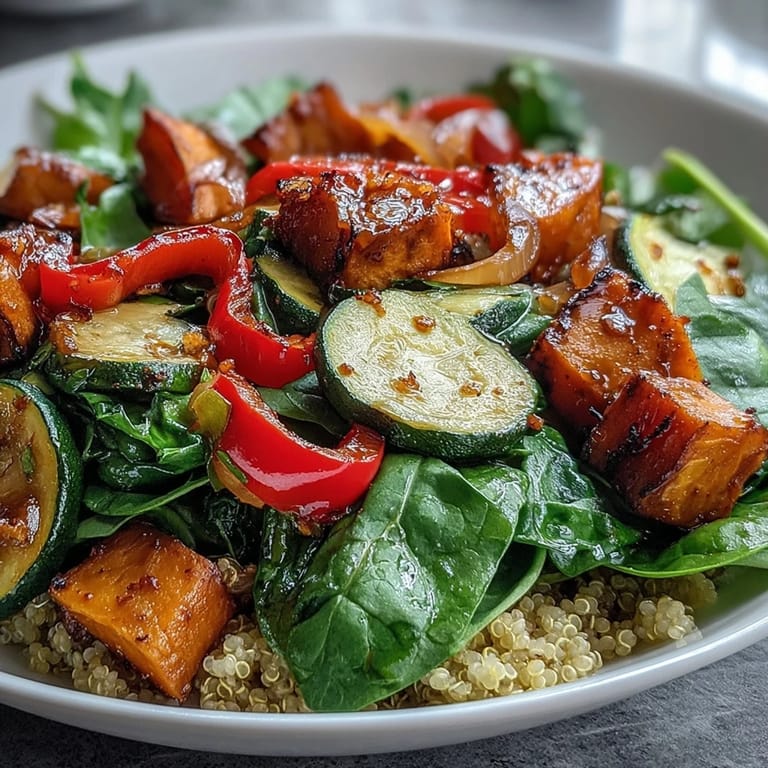
Save There's something about assembling a warm salad bowl that feels less like cooking and more like creating something intentional. One Tuesday afternoon, I found myself with a pile of vegetables that needed using and an odd craving for something that wasn't quite soup but warmer than a cold salad. The answer was this bowl—layers of tender grains, roasted vegetables still steaming, and greens that soften just enough when the warm vinaigrette hits them. It became the kind of meal I make when I want to feel both nourished and genuinely satisfied.
I made this for my roommate who'd been having a rough week, and watching her face when she tasted that first bite was worth every chopped vegetable. She asked for the recipe immediately, which for someone who usually orders takeout felt like a real compliment. Now it's become our emergency bowl—the thing we make when we need something wholesome but don't have the energy for anything complicated.
Ingredients
- Quinoa or brown rice, 1 cup rinsed: Quinoa cooks faster and has a pleasant texture, but brown rice adds earthiness and is more forgiving if you're not paying close attention.
- Water or vegetable broth, 2 cups: Broth gives the grains subtle flavor without any extra effort—it's a small upgrade that matters.
- Sweet potato, 1 medium peeled and cubed: This adds natural sweetness and creamy texture when roasted; don't skip the smoked paprika on top of it.
- Red bell pepper, 1 cut into strips: The bright color stays vivid after roasting, and it develops a slight char that tastes almost sweet.
- Red onion, 1 small sliced: Roasting mellows its sharpness into something almost caramelized and gentle.
- Zucchini, 1 small sliced: Thin slices prevent it from becoming watery; it should have some color and slight firmness when done.
- Olive oil for roasting, 2 tablespoons: Don't be stingy here—the vegetables need enough oil to caramelize properly.
- Smoked paprika, 1 teaspoon: This transforms basic roasted vegetables into something with real personality and depth.
- Salt and pepper to taste: Season the vegetables boldly before they go in the oven; they'll absorb the flavors as they cook.
- Baby spinach or kale, 4 cups stems removed: Kale is heartier and stands up better to the warm vinaigrette, but spinach wilts more gracefully if that's your preference.
- Olive oil for vinaigrette, 3 tablespoons: Quality matters here since it's a main component of the dressing—this is where you use the good oil.
- Apple cider vinegar, 1 tablespoon: The acidity is essential; don't substitute with white vinegar or the brightness disappears.
- Dijon mustard, 1 teaspoon: It emulsifies the dressing and adds subtle heat and complexity.
- Honey or maple syrup, 1 teaspoon: Just enough to balance the vinegar's tang without making it taste sweet.
- Garlic clove, 1 small minced: Warm garlic becomes mellow and almost buttery; it distributes through the vinaigrette beautifully.
- Feta or goat cheese, 1/4 cup crumbled optional: The tanginess complements the warm vegetables, and it adds a textural contrast.
- Toasted pumpkin or sunflower seeds, 2 tablespoons optional: Toasting them first makes a huge difference in flavor and crunch.
- Fresh herbs parsley or cilantro chopped optional: Add these at the very end so they stay bright and don't get lost in the warmth.
Tired of Takeout? 🥡
Get 10 meals you can make faster than delivery arrives. Seriously.
One email. No spam. Unsubscribe anytime.
Instructions
- Heat your oven and prep the vegetables:
- Preheat to 425°F and line a baking sheet with parchment paper. This step matters more than it seems—the parchment prevents sticking and cleanup becomes almost pleasant. Toss your sweet potato, bell pepper, onion, and zucchini with the olive oil and smoked paprika until everything is coated evenly.
- Roast until golden and tender:
- Spread the vegetables in a single layer on the baking sheet and roast for 25 to 30 minutes, stirring halfway through. You'll know they're ready when the edges have some color and the sweet potato yields easily to a fork. The kitchen should smell almost caramelized at this point.
- Cook your grains while vegetables roast:
- Combine quinoa or brown rice with water or broth in a saucepan and bring to a boil. Reduce the heat to low, cover, and cook for 15 to 20 minutes until the liquid is absorbed and the grains are tender. Let it sit covered for a few minutes, then fluff with a fork to keep each grain separate.
- Prepare the warm vinaigrette:
- In a small pan over low heat, whisk together olive oil, apple cider vinegar, Dijon mustard, honey, minced garlic, salt, and pepper. Heat for just 1 to 2 minutes until it's warm but not hot—you want it to wilt the greens gently, not cook them. Taste and adjust the seasoning; it should taste balanced between tangy and smooth.
- Wilt the greens gently:
- In a large bowl, toss the spinach or kale with half the warm vinaigrette and let it sit for a minute or two. The greens will soften slightly while still keeping some structure and vibrancy. This step matters because wilted greens mix better into the finished bowl.
- Assemble your bowls:
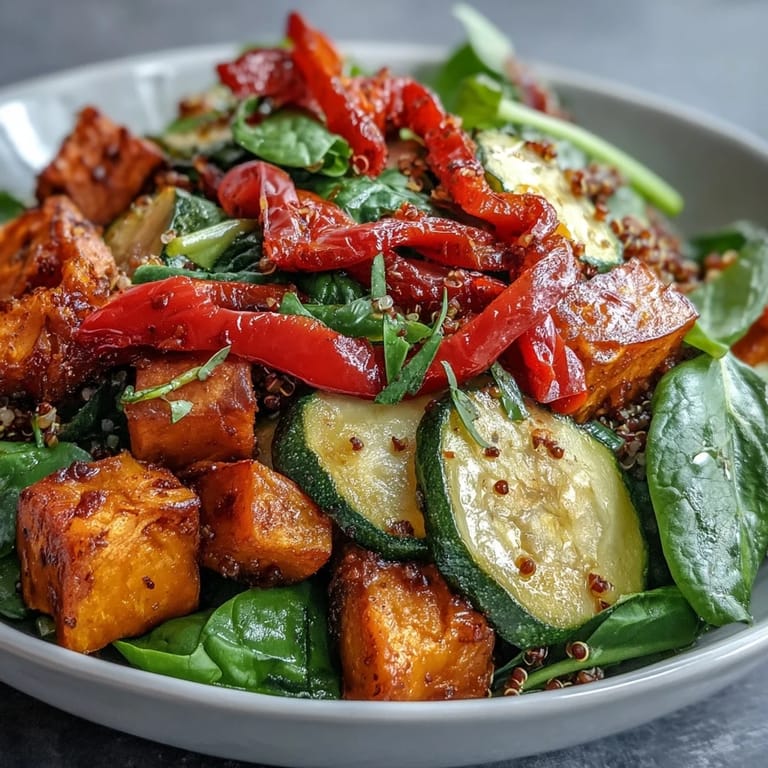
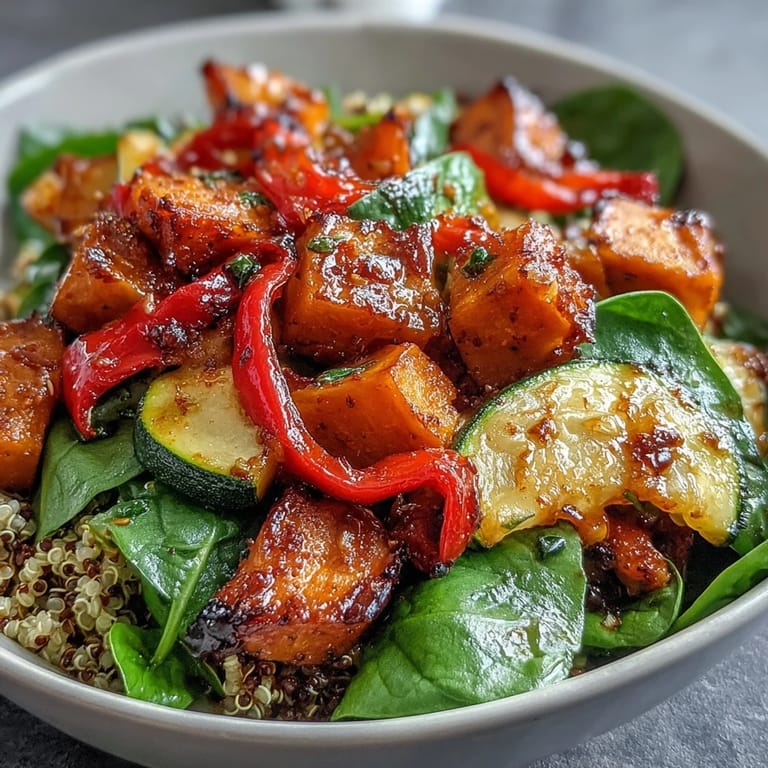
- Divide the cooked grains among four bowls and top each with wilted greens, roasted vegetables, and any optional toppings you're using. Drizzle the remaining warm vinaigrette over everything. Serve immediately while the components are still warm and the textures feel distinct.
 Save
Save This bowl has become my answer when someone says they're trying to eat better but finds healthy food boring. There's something about the combination of warm and cool, soft and crispy, that makes it feel like actual comfort food rather than a chore. It proved to me that vegetables don't need heavy cream or excessive salt to taste like something worth eating on purpose.
Why the Components Matter More Than You'd Expect
I spent years making salads where everything was cold and somewhat forgettable, until I realized the problem was temperature. A warm grain base softens your appetite in a different way than cold lettuce does, and when the vinaigrette is warm, it actually coats everything instead of sliding off. The roasted vegetables contribute real flavor rather than just texture, which sounds obvious but changes everything about how satisfying the bowl feels.
The Roasting Step is Your Secret Advantage
Roasting vegetables at high heat seems like it takes forever until you taste the difference between steamed and caramelized. The smoked paprika adds a subtle depth that makes people ask what's in here, and the truth is nothing fancy—just the right seasoning and enough heat to create color. Once you master this basic roasting technique, you'll start doing it for everything, and your cooking will genuinely improve.
Customizing Your Bowl Without Losing the Magic
The structure of this bowl is flexible enough to accommodate whatever you have in your kitchen, but not so flexible that you can substitute anything and still have the same result. The key is maintaining the warm grain base, some form of roasted vegetables, greens that get wilted, and a warm vinaigrette—change those and you have something different. Everything else is just what makes your version personal and specific to what you like and what you had available.
- Swap the grains for farro or millet if quinoa feels too trendy or if you just have something else on hand.
- Add roasted chickpeas for protein if you're not using cheese, or add them anyway because the contrast between crispy chickpeas and soft grains is genuinely excellent.
- Make it vegan by skipping the cheese and seeds, or lean fully into dairy by adding more cheese because that's your preference.
 Save
Save This bowl taught me that comfort food doesn't have to come from heaviness, and wholesome eating doesn't have to feel like punishment. It's become the kind of recipe I return to again and again, always a little different but always exactly what I need.
Recipe FAQs
- → Can I make this bowl ahead of time?
Yes, prepare grains and roasted vegetables up to 3 days in advance. Store separately in airtight containers. Reheat vegetables and grains gently, then toss with greens and warm vinaigrette before serving.
- → What other grains work well in this bowl?
Farro, millet, bulgur, or wheat berries are excellent alternatives. Adjust cooking time according to package instructions. Each grain brings slightly different texture and nuttiness to the bowl.
- → How can I add more protein?
Roasted chickpeas, crispy tofu cubes, grilled chicken strips, or hard-boiled eggs make great protein additions. Simply prepare alongside the vegetables or use leftovers from another meal.
- → Can I use different vegetables?
Absolutely. Butternut squash, Brussels sprouts, carrots, or parsnips roast beautifully. Choose vegetables that cook at similar rates, cutting them into uniform pieces for even roasting.
- → Is the warm vinaigrette necessary?
The warm dressing helps wilt the greens slightly and brings all components together. However, room temperature vinaigrette works too. Simply toss greens separately if serving cold.
- → How long does this keep for leftovers?
Store assembled bowls without dressing for 2-3 days. Add vinaigrette when ready to eat. Alternatively, keep components separate and assemble as needed throughout the week.